Categories
Branding Design

The 15 Best Shutterstock Alternatives & Competitors in 2025

Bringing a creative idea to life is a journey that requires the right tools, the perfect assets, and a spark of inspiration.

The search for high-quality stock photos and other creative elements can be a time-consuming process, taking focus away from the core design work.

That is why this guide exists: to help you find the best Shutterstock alternative.

Shutterstock is a giant in the world of stock photography, but it’s not the only option available. Whether for a freelancer, a team at one of the many small businesses, or a passionate content creator, there is an online platform that will be the best fit for specific creative needs.

This article is designed as a go-to resource, helping you find top-quality products and innovative solutions for your creative projects. The goal is to empower you to bring your boldest visions to life, with the support of a community that cherishes creativity and excellence.

What Is Shutterstock and Why Is It So Popular?

What Is Shutterstock and Why Is It So Popular?

Shutterstock is a massive online marketplace for stock content.

Think of it as a huge digital library filled with millions of stock images, video clips, music tracks, and more. For years, it has been a primary source for creative professionals and businesses in different industries needing visuals for their websites, social media, and marketing materials.

Its popularity comes from its sheer size and variety. You can find almost any kind of image you can imagine, which makes it a reliable choice for many. They offer different subscription plans and image packs, giving users some flexibility.

However, while it’s a powerful tool, it might not always be the best choice for everyone, which leads many to look for a Shutterstock alternative.

Why Look For A Shutterstock Alternative?

Why Look For A Shutterstock Alternative?

While Shutterstock is a leader, there are several reasons why you might look for Shutterstock alternatives.

One of the main factors is the cost. The subscription plans can be expensive for freelancers or small businesses on a tight budget, though finding a Shutterstock coupon can help reduce the price. Sometimes, you might just need a few images and don’t want to commit to a monthly plan.

Another reason is the need for more unique visuals. Because so many people use Shutterstock, some of its stock images can feel overused.

For a brand that wants to stand out, using a different stock photo site can provide fresher, more distinctive content.

Understanding the difference between branding vs brand identity is key to selecting visuals that truly represent your business.

You might also be looking for more flexible licensing options or a platform with a different kind of stock content library.

Many creators are also interested in sites that offer unlimited downloads, which is something a traditional subscription model on Shutterstock doesn’t provide. For these reasons and more, exploring other stock agencies is a smart move for any savvy content creator.

15 Amazing Shutterstock Alternatives You’ll Love

Shutterstock Alternatives

Finding the right online platform for your creative projects can be a game-changer.

Here are 15 of the best sites that serve as excellent Shutterstock alternatives, each with its own unique strengths.

Adobe Stock

Adobe Stock

Adobe Stock is a powerhouse and a top contender as a Shutterstock alternative, especially for users already in the Adobe ecosystem.

It integrates seamlessly with Adobe Creative Cloud applications like Photoshop and Adobe Premiere Pro, allowing you to search for and license stock images and video footage directly within your design software.

It boasts a huge library of high-quality stock photos, vector graphics, and video clips. The Creative Cloud integration is a massive workflow advantage for serious creative professionals.

While it has a paid plan, the convenience it offers is often worth it for those using Adobe Creative Cloud applications.

iStock

iStock

Owned by Getty Images, iStock is a well-respected name in the stock photography world. It offers a vast collection of stock images, including an exclusive Signature collection that you won’t find anywhere else.

This makes it a great choice if you’re looking for premium content with a more artistic feel.

iStock provides flexible pricing with both subscription plans and credit packs, allowing you to buy image downloads as you need them.

It’s a solid Shutterstock alternative for those who need high image quality and exclusive content for their commercial projects.

Pexels

Pexels

Pexels is one of the most popular free stock photo sites. It offers a large library of high-quality free images and video clips that can be used for almost anything, including commercial use, without needing to give credit.

If you’re on a budget or just need some great-looking free photos for your blog or social media, Pexels is a fantastic resource.

While it may not have the depth of a paid plan site, its collection of free stock photos is impressive and constantly growing.

Unsplash

Unsplash

Unsplash is like Pexels. It is a top place for free stock photos.

What makes Unsplash special is its unique, artistic images. You can find great, high-quality pictures shared by a global group of photographers.

If you’re a photographer yourself, you might be curious about how to sell photos to stock websites and contribute to platforms like these.

All the photos on this site are free to use for business purposes. This makes it popular among content creators and small firms.

Unsplash has also added a paid option called Unsplash+. However, its main feature of free images is still one of the best out there.

Freepik

Freepik

Freepik is a versatile Shutterstock alternative that offers more than just stock photos.

It’s a huge resource for vector graphics, icons, and templates. It operates on a freemium model, meaning it has a large selection of free options alongside a paid plan for premium content. The paid plan gives you access to a wider range of assets and more flexible usage rights.

For designers who need a variety of graphic elements, not just photos, Freepik is an excellent choice.

Canva

Canva

While many know Canva as a design tool, it also has a massive library of stock images, videos, and graphics.

Many of these are available on its free plan, while a Canva Pro subscription unlocks millions more premium content assets.

For those who want to design and source images all in one place, Canva is an amazing online platform. It includes tools like a background remover and other design tools that make image creation incredibly simple, even for non-designers.

Getty Images

Getty Images

If you are looking for the highest image quality and truly exclusive, premium content, Getty Images is the industry standard. It’s the platform major brands and publications turn to for their photography needs.

While it is more expensive than most Shutterstock alternatives, its library is unmatched in quality and includes images from top photographers and major events. A Getty Images coupon can make its premium collection more accessible. For high-stakes commercial projects where a unique, powerful image is essential, Getty Images is the best choice.

Dreamstime

Dreamstime

Dreamstime is one of the older stock photo sites and has built a large, diverse community of contributors and users.

It offers a good balance of quality and affordability, with millions of stock images available through subscription plans or credit packs.

Dreamstime also has a section of free images, making it a flexible Shutterstock alternative for different budgets and creative needs.

Vecteezy

Vecteezy

Vecteezy is a site that began with vector graphics. Now, it has many kinds of content. This includes stock photos and video clips. It is a great tool for designers and artists. They often need vectors for their work.

Vecteezy offers both free choices and a paid plan.

The paid plan allows unlimited downloads. It also gives full rights for commercial use. This choice makes it good for busy content makers.

They want quality and easy access to design tools.

Vecteezy’s simple layout and large library make it a top pick. It is perfect for anyone needing creative assets beyond regular stock sites.

Depositphotos

Depositphotos

Depositphotos is known as a cheaper choice than Shutterstock. It still has a large and good-quality library. Users can find over 200 million files easily. This includes stock images, videos, and music for many projects.

One great feature of Depositphotos is its flexible plans.

These plans fit different needs. They also offer on-demand image packs for buying only what you need.

This makes it a smart choice for small businesses and individuals. They can get a lot of content without spending too much money.

Depositphotos often has a free trial too. This lets users try their services without spending any cash.

With affordable prices, variety, and flexibility, Depositphotos is a great pick for anyone needing stock media.

Storyblocks

Storyblocks

Storyblocks is a great choice due to its easy subscription plan.

It lets users download as much as they want. This is very helpful for creators who need lots of content, especially for making videos.

When you subscribe to Storyblocks, you can access their library anytime. They offer HD and 4K video clips, audio files, sound effects, and stock photos. For those who make videos, this site is one of the best options.

It is a fantastic alternative to Shutterstock.

123RF

123RF

123RF is a great choice for those looking for low-cost options instead of Shutterstock. Many users prefer this site. It has a large library filled with stock photos. This makes it a useful resource for creative workers.

In addition to stock photos, you can also find many types of vector art. There are video clips and sound files available too.

This wide range meets many multimedia needs. 123RF has been in the market for many years now.

They have earned the trust of many creative people who rely on their services. Their prices are fair, and they offer flexible plans. Users can choose from subscription plans or credit packs that fit their needs best.

One major benefit of 123RF is its promise to grow its library constantly. They add new and exciting content all the time. Plus, they have an AI tool to help users create unique images. This tool enhances the overall experience for all users.

Pond5

Pond5

Pond5 is a top choice for video clips that don’t need to pay royalties. It is an important site for people who work mostly with video.

Pond5 has a huge library of clips. It has the largest collection of videos in the world. You can find amazing 4K shots and simple, everyday scenes. These clips can improve any project you’re working on.

Besides videos, Pond5 also offers other helpful items. This includes music tracks, sound effects, images, and 3D models.

This wide range of options makes Pond5 a great place for creative work. It meets many needs and tastes in digital projects.

Pixabay

Pixabay

Pixabay is another fantastic resource for free stock photos and free images.

Similar to Pexels, everything on the site is released under a license that makes it safe to use for commercial purposes without attribution.

It has a huge library of over a million assets, including photos, illustrations, vector graphics, and video clips.

For anyone needing quality stock content without a budget, Pixabay is one of the best free stock photo sites available.

Photocase.de

photocase

Based in Berlin, Photocase is a unique option that focuses on art and real images. If you are bored with basic stock photos, try Photocase.

The images here feel more like real life and less like a business.

Although the library is smaller and prices are higher, these unique images work well for brands that want to show their style and personality.

These visuals can powerfully support great brand story examples or communicate a commitment to values like sustainable branding.

Comparing Features of Shutterstock Alternatives

Comparing Features of Shutterstock Alternatives

When choosing a Shutterstock alternative, it’s helpful to compare them based on a few key factors. Your best choice will depend on what you value most for your content strategy.

Image Quality and Diversity

The image quality and diversity vary greatly among stock agencies. Getty Images and iStock are at the top, offering premium content and exclusive collections. Adobe Stock also provides very high-quality content that is perfect for professional commercial projects.

Free sites like Unsplash and Pexels have excellent image quality, but their libraries, while large, are not as deep or diverse as the paid giants. Photocase is the place to go for artistic and unique visuals.

The best fit depends on whether you need a highly specific, professional shot or a more authentic, lifestyle image.

Licensing and Usage Rights

Understanding usage rights is critical. Most Shutterstock alternatives, both free and paid, offer a royalty-free license.

This means you pay once (or not at all for free stock) and can use the image multiple times for commercial use without paying extra royalties.

However, it’s always important to check the specific terms. Paid sites usually offer greater legal protection.

Free sites like Pexels and Pixabay use licenses similar to the public domain, allowing for very broad use. Always check the licensing for any asset you download to ensure it fits your needs for commercial purposes.

Flexible licensing is a key feature to look for.

Pricing and Subscription Options

Pricing models are a major differentiator. Shutterstock primarily uses a subscription model and image packs.

Many alternatives do too, but with variations. Adobe Stock offers plans that let you download different asset types, not just images.

Depositphotos is known for being a cheaper option. Sites like Storyblocks and Envato Elements are game-changers with their unlimited downloads subscription, which is incredible value for heavy users.

Then you have free options like Pexels and Unsplash, which are perfect for those on a tight budget.

Many sites offer a free trial or a coupon code to get you started.

How to Choose the Right Shutterstock Alternative For My Needs?

How to Choose the Right Shutterstock Alternative For My Needs?

With so many options, how do you find the best fit? Here’s a simple guide:

  1. Assess Your Needs: How many images or videos do you need per month? What kind of style are you looking for? Do you need mainly stock photos, or do you also need video clips, music tracks, and vector graphics? Answering these questions will narrow down your choices.
  2. Consider Your Budget: If you have no budget, start with the best free stock photo sites like Pexels, Unsplash, and Pixabay. If you have a small budget, look at affordable options like Depositphotos. If you need a high volume of assets, a platform with unlimited downloads like Envato Elements or Storyblocks is the most cost-effective paid plan.
  3. Evaluate Your Workflow: If you are a heavy user of Adobe Creative Cloud applications, the seamless Creative Cloud integration of Adobe Stock can save you a lot of time and is likely the best choice. If you want an all-in-one design and asset platform, Canva is perfect.
  4. Think About Uniqueness: If you want your brand to stand out with unique visuals, consider a site like Photocase or look for the exclusive collections on iStock. An AI image generator like Jasper Art or others can also help with image creation for truly one-of-a-kind visuals.

FAQ’s:

What Are the Best Free Alternatives to Shutterstock?

The best free alternatives to Shutterstock are Unsplash, Pexels, and Pixabay.

These free stock photo sites offer huge libraries of high-quality free images and videos that you can use for commercial purposes without attribution. They are excellent resources for bloggers, small businesses, and social media managers.

Are There Any Stock Photo Sites With Unlimited Downloads?

Yes! Envato Elements and Storyblocks are two of the best stock photo sites that offer unlimited downloads with a single subscription.

For a flat monthly or annual fee, you get access to millions of creative assets, including photos, videos, music, and more. This is an incredible value for content creators who need a constant supply of fresh content.

Can I Use Images From These Alternative Sites For Commercial Purposes?

Generally, yes. Most paid Shutterstock alternatives like Adobe Stock and iStock provide a standard license that covers commercial use. The best free stock photo sites, like Pexels and Unsplash, also allow commercial use.

However, it is always important to read the specific usage rights for each image or site, as some restrictions may apply (e.g., not using images for logos or in a way that depicts people negatively).

Do Shutterstock Alternatives Also Offer Stock Videos and Music?

Absolutely. Many of the top Shutterstock alternatives are complete creative marketplaces.

Adobe Stock, Pond5, Storyblocks, and Envato Elements have extensive libraries of video footage, music tracks, and sound effects. This is great for video editing and creating rich multimedia creative projects.

Even some free options like Pexels and Pixabay offer a selection of free stock videos.

What is the Main Difference Between Free and Paid Stock Photo Sites?

The main differences are in the library size, exclusivity, and legal protection.

Paid sites have much larger libraries with more specific and diverse premium content. You are also less likely to see the same image used everywhere. Paid sites also offer legal indemnification, which protects you if there’s a problem with the image’s usage rights.

Free stock photo sites are fantastic, but you have a smaller selection and less legal assurance.

Conclusion

The world of stock photography is vast and full of amazing resources beyond the biggest names. This guide shows that a perfect Shutterstock alternative is available for any budget or set of creative needs.

From the seamless integration of Adobe Stock for creative professionals to the incredible value of unlimited downloads on Envato Elements, to the beautiful free photos on Unsplash, the options are plentiful.

The goal is to empower creators with the tools and knowledge to succeed.

Selecting the appropriate online platform allows individuals to find the ideal resources to realize their creative concepts. The optimal option is one that complements the workflow, matches the budget, and offers the premium stock content necessary for outstanding results.

Now you can move forward with confidence in your content strategy, backed by a resource that values creativity and craftsmanship.

Categories
Branding Design

Rights Managed Vs Royalty Free: Key Differences Explained (Guide)

Bringing a creative vision to life involves many small yet important decisions.

One of the most fundamental is how images are sourced and used. The world of stock photography offers a vast ocean of options, but to use them correctly and legally, it is essential to speak the language of licensing.

This topic can seem complex, but it is all about respecting the copyright holder and their work.

This guide is a resource for understanding these critical details. The focus is on the two main licensing models in the stock photography industry: Rights-Managed (RM) and Royalty-Free (RF). A firm grasp of these two license agreements empowers creators to choose the right stock photos for any project, ensuring the final work is both brilliant and legally sound.

What is Rights-Managed (RM) Licensing?

What is Rights-Managed (RM) Licensing?

A Rights-Managed (RM) licence is a more traditional and specific way to use an image.

Think of it like leasing a car for a specific journey—you define exactly where you’re going, for how long, and for what purpose. This model gives you granular control over how a piece of creative work is used.

The Pay-Per-Use, Specific Rights Model

At its core, RM licensing means you are paying for a specific usage.

When you purchase an RM licence, the agreement details precisely how you can use the image. The copyright holder grants you permission for a single, defined application.

If you later decide to use that same image for a different purpose, you must go back and purchase a new licence for that new usage.

It is a true pay-per-use system.

Key Characteristics of Rights-Managed Images

The terms of an RM Licence are highly detailed.

The pricing and permissions are based on a combination of factors, creating a custom fit for your project.

Key characteristics include:

  • Specific Use: The licence will state the exact type of use allowed, such as for an advertising campaign, a corporate brochure, or a website banner.
  • Limited Duration: You can only use the image for a set period of time, whether it’s for six months or five years. After that duration, your rights expire.
  • Geographic Territory: The licence may restrict usage to a specific country or region. A campaign running only in North America would cost less in dollars than one with global rights.
  • Placement and Audience Size: The cost will change depending on where the image appears (e.g., a small blog post versus a national billboard) and the size of the audience it will reach.

The Power of Exclusivity

The most significant advantage of the RM model is the potential for exclusivity.

You can negotiate a licence that prevents your competitors from using the same image for a specific period of time or within your industry.

This is invaluable for building a unique brand identity, especially in high-stakes advertising.

If you’re designing a campaign where a particular image is central to the message, exclusivity ensures your visuals remain distinct and memorable.

This level of control is a powerful tool for any professional designer.

For inspiration on how major companies manage their visual identity, check out this great Brand Guidelines Example or dive into the specific rules for Spotify Brand Guidelines.

What is Royalty-Free (RF) Licensing?

What is Royalty-Free (RF) Licensing?

Royalty-Free (RF) is the most common licensing model you’ll find today, especially on large stock photography platforms.

It’s built for flexibility and simplicity, offering a much broader set of permissions compared to its RM counterpart.

The One-Time Fee, Unlimited Use Model

The concept behind RF licensing is straightforward: you pay a one-time fee to acquire the licence for an image, and then you can use that image multiple times across various projects without ever having to pay another royalty.

Once you’ve paid the initial cost in dollars, you’re free to use the image in a website design one day and a social media post the next, all under the same licence. This is particularly useful when purchasing images through a subscription service.

Key Characteristics of Royalty-Free Images

RF licenses are known for their broad, user-friendly terms, which make them a go-to choice for many designers.

Key characteristics include:

  • Perpetual Use: An RF licence typically does not expire. Once you license the image and use it in a project, it’s licensed for the lifetime of that project.
  • Worldwide Rights: The licence generally allows you to use the image anywhere in the world without geographic restrictions.
  • Unlimited Usage: You can use the image as many times as you want across different applications, whether it’s for a client’s blog, a presentation, or a marketing brochure.
  • Non-Exclusive: This is a critical point. An RF image is non-exclusive, meaning anyone else can also license and use the same image. You might see the same stock photos used by other brands. This is the trade-off for the model’s flexibility and lower cost. You’ll often find these images on microstock websites like Shutterstock. Knowing how to differentiate your brand through strong branding vs brand identity becomes essential when using non-exclusive assets.

Common Misconceptions: Is Royalty-Free the Same as “Free”?

A common point of confusion is the name itself.

Royalty-free does not mean the image is free to use. It simply means it is free from paying ongoing royalties to the copyright holder for each use.

You must still pay the initial licensing fee to acquire the rights. Images that cost nothing are typically in the public domain or offered under a specific type of free license, like certain Creative Commons licenses, which come with their own set of rules.

Key Differences: Rights Managed Vs Royalty Free At A Glance

Key Differences: Rights Managed Vs Royalty Free At A Glance

Choosing between RM and RF comes down to the specific needs of your project.

Here is a direct comparison of these two essential licensing models.

FeatureRights-Managed (RM)Royalty-Free (RF)
Usage RightsSpecific, limited use defined by the licence.Broad, multiple uses across different projects.
ExclusivityExclusivity is possible and can be negotiated.Non-exclusive; other people can use the same image.
Cost StructurePricing is variable and based on specific usage factors.Typically a one-time flat fee, often via subscription.
License DurationLimited to a specific period of time.Perpetual; the licence does not expire.
ControlGranular control over how and where the image is used.Simple and flexible with fewer restrictions.

Usage Rights and Exclusivity

The biggest distinction lies in usage rights and exclusivity.

An RM licence is like a custom-tailored suit—it’s made for one specific occasion but fits perfectly. It gives you the option to be the only one wearing it. An RF licence is like a versatile off-the-rack jacket—you can wear it to many events, but you might see others with the same one.

For companies like Netflix Brand Guidelines, or Instagram Brand Guidelines, maintaining a unique visual presence is paramount.

Cost and Pricing Structure

The pricing for these models is fundamentally different. With RM, the cost in dollars is calculated based on how you’ll use the image, so a small web banner will cost far less than a national TV ad. RF pricing is much simpler. You pay once, whether it’s for a single image download or as part of a monthly subscription, and the price is the same regardless of whether you use it for a small blog or a major web design project.

License Duration and Territory

An RM licence is often limited by both duration and location. You might secure rights for a one-year campaign in Europe, for example. An RF licence breaks down these barriers, offering perpetual rights for worldwide usage in most cases.

Simplicity Vs. Granular Control

If your priority is speed and simplicity, RF is the clear winner. You can get an image and start using it in minutes with clear, broad permissions.

However, if you need precise control, legal assurance, and the power of exclusivity for a high-impact project, the detailed nature of an RM licence is unmatched. When defining your strategy, it’s also worth considering what your niche is and how that impacts your visual needs.

When to Choose Rights-Managed (RM)?

While RF has become the standard for much of the stock photography industry, there are critical scenarios where the control and exclusivity of an RM licence are not just preferable, but necessary.

  • For High-Profile Advertising and Marketing Campaigns: When a brand is investing significant dollars into a major advertising campaign, the visuals must be unique. An RM licence ensures that the hero image of your campaign won’t suddenly appear in a competitor’s ad, diluting your message and Uber’s Brand Guidelines or any other top company’s brand identity.
  • When You Need to Prevent Competitors From Using the Same Image? This is all about exclusivity. If the image you choose is integral to your brand’s story, an RM licence can lock it down. You can secure rights that are exclusive to your industry or territory for a specified period of time, giving you a distinct competitive advantage.
  • For Specific, High-Impact Placements (e.g., Billboards, Book Covers): For a project where the image is the main event, like a book cover or the packaging for a product, RM is often the better choice. The value of the image is high, and an RM licence ensures it is used in a controlled, impactful way. This also applies to video footage used in major films or commercials.
  • When Legal Protection and Usage Tracking Are Critical? RM licensing provides a clear, documented history of an image’s usage. The copyright holder and agency track who licensed the image, for what purpose, and for what duration. This creates a strong legal chain of custody, which is important for large corporations that need to manage legal risks carefully. Even a company following the Walmart Brand Center guidelines would prioritize this level of control.

When to Choose Royalty-Free (RF)?

For the vast majority of day-to-day design projects, the flexibility, affordability, and simplicity of Royalty-Free (RF) licensing make it the ideal choice.

  • For General Business and Web Use (Blogs, Social Media): If you need images for a blog post, social media updates, internal presentations, or website content, RF is perfect. The need for exclusivity is low, and the ability to use the image across multiple platforms without extra fees is a huge benefit. A single subscription can fuel your entire content strategy. If you need graphic design packages or unlimited graphic design services, RF images provide the most cost-effective solution.
  • When Working With A Limited Budget: RF images, particularly those from microstock agencies, offer incredible value. For a predictable monthly fee or a small one-time payment, you can access a huge library of high-quality stock photos. This allows designers and small businesses to produce professional-looking work without a large budget. When deciding on the best websites for small business needs, affordability is a key factor.
  • For Projects With A Long Or Undefined Lifespan: Because an RF licence is typically perpetual, it’s ideal for projects that will be around for a long time. Think of a company’s core website design or printed brochures that will be used for years. You won’t have to worry about the licence expiring and needing to be renewed.
  • When You Need An Image For Multiple Projects: The “use it anywhere, anytime” nature of RF is its superpower. You can license an image for one client’s project and then use it for another client a year later (as long as your licence terms permit it). This versatility is a massive time and money saver for busy designers and agencies.

Cost Comparison: How Pricing Works For Each Model?

Cost Comparison: How Pricing Works For Each Model?

The pricing for stock photos is determined by the licensing model you choose. Understanding what influences the cost in dollars helps you budget effectively and select the right licence for the job.

Factors Affecting Royalty-Free Prices (Resolution, Subscription Vs. Single Purchase)

RF pricing is generally straightforward, but can vary based on a few factors:

  • Purchase Method: Buying images through a subscription is almost always cheaper per image than buying them one by one. A Shutterstock subscription, for instance, can bring the cost per image down to less than a dollar.
  • Resolution: Some sites charge more for higher-resolution files, though many modern subscription plans include all sizes for one price.
  • Image Packs: Buying a pack of 5 or 10 images often gives you a better price per image than a single purchase.

Factors Affecting Rights-Managed Prices (Audience Size, Placement, Duration, Exclusivity)

The pricing for an RM licence is a custom calculation based on the scope of usage.

Key factors that determine the cost include:

  • Placement: Where will the image be used? A billboard is more expensive than a blog post.
  • Audience Size/Print Run: The more people who see the image, the higher the price.
  • Duration: A licence for a three-month campaign will cost less than one for a full year.
  • Geographic Distribution: Rights for a single country are cheaper than worldwide rights.
  • Exclusivity: The level of exclusivity is a major cost driver. Securing total exclusivity will significantly increase the price.

Beyond RM and RF: Other Licensing Models to Know

While RM and RF are the giants of the stock photography industry, a few other licensing models are useful to know as a professional designer.

Creative Commons (CC) Licenses

Creative Commons is a nonprofit organization that provides a range of flexible copyright licenses for free.

A free license under CC allows creators to share their work with the public under certain conditions. Some CC licenses allow for commercial use, while others are restricted to non-commercial projects. Always check the specific CC licence terms before using an image.

Public Domain

Images in the public domain have no copyright restrictions at all. This is either because the copyright has expired or the copyright holder has explicitly waived all rights. You can use these images for any purpose, including commercial use, without permission or payment.

Extended Licenses

An Extended License is a type of RF licence that grants rights beyond what’s included in a standard RF agreement.

For example, if you want to print a stock photo on a t-shirt or mug to sell, you will typically need to purchase an Extended License.

This licence carries a higher one-time fee but unlocks the ability to use the image on products for resale.

This is important for creating best-selling digital products.

FAQ’s:

Can I Edit A Royalty-Free Or Rights-Managed Image?

Generally, yes. Most standard licenses for both RF and RM allow for modifications like cropping, color correction, and overlaying text.

However, there are limits. You cannot use edits to place the subject of the photo in a defamatory or negative light.

Additionally, some “editorial use only” images have stricter rules and may not be altered at all to preserve their journalistic integrity.

What Happens If I Violate the Terms of A License?

Violating the terms of an image licence is a serious issue. It constitutes copyright infringement, and the copyright holder can take legal action against you or your client. This can result in financial penalties, including paying for the unlicensed usage and additional damages, which can amount to thousands of dollars. It’s always best to read the licence agreement carefully.

Is One Type of License Higher Quality Than the Other?

The licensing model itself—RM or RF—does not determine the technical or artistic quality of a photograph.

You can find stunning, high-resolution images under both types of licenses. However, because RM collections are often highly created and feature work from renowned photographers, they are sometimes associated with a higher tier of quality or artistic merit.

But top microstock sites like Shutterstock also have vast collections of exceptional RF images and footage.

Where Can I Find Rights-Managed and Royalty-Free Images?

You can find both types of images at major stock photography agencies.

  • For RF: Sites like Shutterstock, Adobe Stock, and iStock are leaders in the microstock world, offering millions of RF images and footage clips, often through a subscription model. For quick solutions, tools like BrandCrowd might also incorporate RF assets.
  • For RM: Agencies like Getty Images are well-known for their premium RM collections, which are ideal for high-end creative projects requiring exclusivity. Many of these agencies also offer high-quality RF options.

Conclusion

A designer’s work is built on creativity, but it stands on a foundation of professionalism.

Choosing the right image license is a key part of that foundation. The decision between Rights-Managed (RM) and Royalty-Free (RF) isn’t about which one is better, but which one is right for the job at hand.

RF offers speed, flexibility, and affordability, making it ideal for the fast-paced demands of digital content and projects with limited budgets.

RM provides control, protection, and the powerful advantage of exclusivity, which is essential for brand-defining campaigns and high-impact placements like a book cover.

Learning to craft compelling brand descriptions or brand story examples often requires these high-impact visuals.

Considering sustainable branding initiatives might also influence your choice of ethically sourced or higher-tier, RM content.

Understanding the difference between these core licensing models allows for the confident selection of stock photos and footage that not only fit a creative vision but also protect the designer, their clients, and the copyright holder.

It is a skill that strengthens every project undertaken and reinforces the integrity of the creative industry.

Categories
Branding Design

Branding vs Brand Identity: Key Differences & Basics Explained

Imagine you’re getting dressed for a party. Your clothes (like a bright shirt or sparkly shoes) are what people see—that’s brand identity.

But how you talk, smile, and make others feel at the party? That’s branding. Many small business owners think a logo design or color palette is all they need, but there’s more to it!

At Designers Choice, we understand that brand identity is like your business’s “outfit”—the visual elements (logo, colors, fonts) people recognize. Branding is the “personality” behind it—how you talk to customers, what you stand for (core values), and the emotional connection you build.

For example, a fun logo design (brand identity) might catch eyes, but friendly customer service and clear brand voice (branding) make people trust you. Both work together like best friends to create a strong brand that your target audience remembers.

In simple terms:

  • Brand identity = What people see (your visual identity).
  • Branding = How people feel about you (your brand personality).

Let’s break down these ideas so you can build a successful brand that stands out! ️

What is Branding?

What is Branding?

Definition of Branding

Branding is the active process of creating and shaping how people think about your business. It’s not just about making things look pretty.

Branding is about building an emotional relationship between your company and your customers.

When someone hears your business name, what comes to mind? That’s your brand at work.

Cambridge Dictionary defines branding as “the act of making a product, organization, person, or place easy to recognize as different from others by connecting it with a particular name, design, symbol, set of qualities, etc.“.

But modern branding goes much deeper than this simple definition suggests.

Your branding efforts touch every point of contact with customers.

From your customer service to your social media posts, everything shapes how people see your company’s brand. A brand strategist once told me that branding is like dating – it’s about making the right first impression and then keeping that promise over time.

Elements of Branding

Effective branding includes many parts that work together. Your brand strategy starts with your core values and brand values. What does your business stand for? What makes you different from others? These questions form the solid foundation of all your branding efforts.

Your brand voice and tone of voice are important elements, too. How do you talk to customers?

Are you friendly and casual, or professional and serious? Your brand personality should shine through every piece of content you create.

This includes your marketing materials, website copy, and even how your team answers the phone. If you want some great brand story examples to inspire your voice, check out some top companies.

Brand positioning is another key part of branding. Where do you fit in the market? What’s your unique value proposition? Smart positioning helps customers understand why they should choose you over competitors.

For small businesses, knowing what your niche is is the first step to effective positioning.

Your brand perception depends on how well you communicate these differences. Thinking about the future? Consider developing a plan for sustainable branding early on.

Importance of Branding

Strong branding creates trust and loyalty with customers.

When people know what to expect from your business, they’re more likely to buy from you again. Good branding also lets you charge higher prices because customers see more value in your products or services.

Branding builds brand recognition over time.

Think about the Nike Swoosh – it’s one of the most recognizable brand logos in the world, worth $26 billion alone. But this didn’t happen overnight. Nike’s consistent branding efforts over the decades created this powerful emotional connection with customers.

For a small business, branding helps you compete with bigger companies. When your branding is clear and consistent, customers remember you. They recommend you to friends. They become loyal fans who help grow your business through word-of-mouth marketing.

What is Brand Identity?

What is Brand Identity?

Definition of Brand Identity

Brand identity refers to “the unique characteristics that influence a brand’s perceived personality, appearance, and behavior“. It’s the collection of tangible elements that makes your brand recognizable.

While branding is about what people think and feel, brand identity is about what they see and experience.

Your company’s brand identity is like your business’s face and voice rolled into one. It includes every visual element people encounter when they interact with your brand.

From your logo design to your color scheme, these graphic elements work together to create a cohesive visual identity.

The key difference is that brand identity comes from you – it’s how you want people to see your business. Brand image, on the other hand, comes from your audience – it’s how they perceive you. The goal is to align these two as closely as possible.

Components of Brand Identity

A strong brand identity includes several key components.

Your logo is usually the first thing people think of, but it’s just one piece of the puzzle. Your brand’s visual identity also includes your color palette, typography, and imagery style.

These visual elements should work together to tell your brand’s story.

If you’re a small business, you might consider using a platform like brand crowd to help develop some initial ideas.

Your packaging design matters too, especially if you sell physical products. Every touchpoint with customers should reflect your brand’s identity.

This includes your website design, business cards, and even your office space if customers visit.

Don’t forget about non-visual elements. Your tone of voice and brand voice are part of your identity too.

How you write emails, answer questions, and talk on social media all contribute to how people see your brand personality.

A brand identity designer considers all these elements when creating a complete system. If you want to see how the best do it, review the Netflix Brand Guidelines or the Uber Brand Guidelines.

Importance of Brand Identity

Brand identity serves as the visual representation of your business values and personality. It helps customers recognize you instantly, even without seeing your name. Think about how you can spot a Starbucks from blocks away – that’s the power of strong visual identity design.

Consistent brand identity builds trust with your target audience. When everything looks and feels connected, people believe you’re professional and reliable. This consistency across all marketing materials creates a memorable experience that sticks in people’s minds.

For visual assets, you might also want to look into the difference between rights managed vs royalty free licensing.

Your brand’s identity also plays a pivotal role in attracting the right customers. The visual elements you choose send signals about who you are and who you serve. A playful color scheme might attract families, while a minimal design might appeal to professionals seeking sophistication.

Branding Vs Brand Identity: The Main Differences

Branding Vs Brand Identity

While brand identity and branding are both key for a company’s brand, they are not the same thing. These are two distinct concepts.

Purpose and Focus

The main difference between branding and brand identity lies in their purpose.

Branding is the strategy behind building relationships with customers. It’s an active process that shapes how people feel about your business over time. Brand identity, however, focuses on creating the visual and verbal tools that support this strategy.

Branding asks, “How do we want people to feel about us?” while brand identity asks, “How should we look and sound to create those feelings?” Your marketing strategy needs to work effectively.

Without good branding, your brand identity might look nice, but it won’t connect emotionally. Without a strong brand identity, your branding efforts lack the visual power to make an impact.

If you’re looking for professional help, consider exploring various graphic design packages available.

A successful brand combines both elements seamlessly. Your branding strategy guides all decisions, while your company’s brand identity gives you the tools to execute that strategy consistently across every customer touchpoint.

Visual Vs Perception

Brand identity deals with tangible, visual elements that people can see and touch.

Your logo design, color scheme, typography, and marketing materials are all part of your visual identity. These elements are concrete – you can print them, display them online, and use them in your mood board.

This is where having clear brand descriptions is essential.

Branding, however, works in the realm of perception and emotion. It’s about the feelings and thoughts people have when they encounter your brand. You can’t touch a feeling, but you can influence it through consistent actions and messaging.

This difference explains why two companies might have similar visual identities but completely different brand perceptions. Their branding – how they treat customers, what they say, and how they behave – creates different emotional connections even with similar visual elements.

Examples of Each

Let me give you some real examples to make this clearer.

The Nike Swoosh is a perfect example of brand identity – it’s a simple visual symbol that represents the company.

But Nike’s branding is much bigger. It includes their “Just Do It” attitude, their support of athletes, and their focus on performance and achievement.

Apple’s brand identity includes their clean, minimal design, white and gray color palette, and simple typography.

But Apple’s branding is about innovation, creativity, and thinking differently. Their marketing efforts consistently reinforce these ideas through product launches, advertising, and customer experience.

Another major company with a meticulously documented identity is Walmart; its Walmart Brand Center is a great resource.

For a small business owner, your brand identity might include your logo, business card design, and website colors.

Your branding would be how you talk to customers, the quality of your customer service, and the promises you make and keep.

Both work together to create your overall brand perception.

Need to see more examples? Check out the Spotify Brand Guidelines or the Instagram Brand Guidelines.

How Branding and Brand Identity Work Together?

How Branding and Brand Identity Work Together?

Branding and brand identity work as a team to create a strong brand that resonates with customers.

Your brand identity provides the visual foundation, while your branding brings personality and meaning to those visual elements.

Think of brand identity as the stage and branding as the performance.

Your brand identity designer creates the visual tools, but your branding strategy determines how to use them.

Every social media post, every customer interaction, and every marketing campaign should reflect both your visual identity and your brand values. This consistency builds brand recognition and trust over time.

You might want to consider unlimited graphic design services to ensure this consistency across all platforms.

The most successful brands make sure their identity and branding tell the same story. If your visual identity suggests premium quality, your customer service and products must deliver on that promise. If your colors are fun and playful, your brand voice should match that energy.

When these elements align, you create an emotional connection that turns customers into loyal fans.

Personal branding works the same way. Your professional photos, resume design, and online presence form your brand identity.

But your branding includes how you communicate, the value you provide, and the relationships you build with others.

Which Matters More For Your Business?

Both branding and brand identity matter, but their importance depends on your business stage and goals.

If you’re just starting out, you might think logo design and visual elements matter most. But here’s what I’ve learned from working with many small business owners – branding often has more impact on long-term success.

Your branding strategy shapes everything else. It determines your target audience, guides your marketing efforts, and influences every business decision. Strong branding can overcome weak visual identity, but beautiful graphics can’t save poor branding.

However, you can’t ignore brand identity either.

In today’s visual world, people judge businesses within seconds of seeing them. Your brand’s visual identity creates that important first impression.

Poor design can turn away potential customers before they experience your great branding. This is why investing in the right graphic design services list is important. The smart approach is to develop both together.

Start with your branding strategy – define your core values, target audience, and unique value proposition. Then create a brand identity that supports and reinforces these strategic decisions. This integrated approach builds a strong foundation for all your marketing materials and business growth.

For instance, if your business is digitally-focused, like a social network SAAS, your digital identity is paramount.

FAQ’s:

Is Brand Recognition The Same As Brand Identity?

Brand recognition and brand identity are distinct concepts.

Brand recognition refers to your target audience’s ability to identify your brand among competitors without prompting.

In contrast, brand identity encompasses the visual and verbal elements that represent your business. While a strong brand identity can enhance recognition over time, they are not the same. A new brand may have a solid identity but low recognition.

Building brand recognition takes time and consistent branding efforts, influenced by visual identity design, customer service, marketing strategy, and overall brand experience. The Nike Swoosh exemplifies this through decades of consistent use across touchpoints.

Can Branding Exist Without A Strong Brand Identity?

You can create a brand without visual parts, but it is not a good idea. Branding is about relationships and feelings.

These can grow through actions and good customer care. But if you do not have a strong visual identity, it makes things harder.

Visual parts help people recognize and share your brand in our world that focuses on images.

Even businesses that offer services need a brand identity. Your business cards, website, and social media all need visuals too. Make sure your brand identity matches your main branding plan for the best impact.

This is especially true when promoting things like the best-selling digital products.

What Are Common Pitfalls in Aligning Branding With Brand Identity?

The biggest mistake is making visual parts without a clear plan. Many business owners create logos first.

They do this before figuring out core values, target audience, or brand position. This results in nice graphics that do not help business goals.

Another common issue is inconsistency in marketing materials. Your website may show one brand style while social media shows another.

This can weaken how people see the brand and trust it. Copying what others do is also risky. It is smart to learn from good brands, but copying them usually does not work. Your audience and unique value are different, so focus on being real instead of copying others.

For your website, ensure you use one of the best websites for small business platforms that allows for total branding control.

How Often Should A Company Reevaluate Its Branding and Brand Identity?

Companies should look at their branding every 5 to 10 years. They should also do this after big changes in the business.

Core brand values should stay the same. However, visual parts like colors and designs may need changes to keep up with trends.

Changes can often happen based on what customers say and how the company grows. Big shifts, like entering new markets or changing your audience, may need a brand check too.

The aim is to make smart updates that improve brand image, not confuse it. Keeping your brand image current on platforms like Instagram might mean looking at the best apps to make reels.

Conclusion

Understanding branding and brand identity is key to our work with clients at Designers Choice.

These two ideas help build strong brands that connect with people. They also drive success in business.

Your brand identity gives you the visual tools you need. Meanwhile, your branding builds emotional ties that turn customers into loyal fans.

Both elements are important for business growth.

Start with a clear branding plan. This should define your core values and who your target audience is. It should also explain your unique place in the market. Next, create a brand identity that shows this plan through consistent visuals and messaging.

The best brands invest in both areas all the time. They know that a strong brand identity without good branding is just nice pictures. Also, powerful branding without a solid visual identity loses chances to connect well.

Whether you hire a designer or do it yourself, keep both branding and brand identity aligned with your goals. This approach will help you build a strong brand that stands out and forms lasting bonds with customers.

Categories
Branding Design

Sustainable Branding: A Complete Guide For Modern Businesses

Today, businesses must care about the planet and people.

Young shoppers, like Gen Z, check if brands use sustainable practices—like recyclable packaging or renewable energy—before buying.

This shift isn’t just a trend; it’s about reducing environmental impact and showing social responsibility.

Sustainable branding means rethinking everything, from marketing strategies to ethical practices, to build consumer trust.

Companies that focus on sustainability efforts earn brand loyalty because customers want their shopping habits to create a positive impact.

To ensure your company’s values are clearly communicated across all platforms, having a comprehensive set of rules is key, similar to a good Brand Guidelines Example.

At Designers Choice, we use sustainable materials and fight climate change by designing for a better future.

Let’s explore how your brand can do the same.

What is Sustainable Branding?

What is Sustainable Branding?

Definition and Key Concepts

Sustainable branding is about making a brand that cares for the earth and social issues.

It goes beyond green ads or making eco-friendly claims. True sustainable branding changes how a company runs its business from the start.

A sustainable brand focuses on three key areas: protecting the environment, helping people and communities, and earning money responsibly. This method looks at a product’s entire life cycle. It starts with using safe materials and ends with how customers use eco-friendly items.

Companies must consider their carbon footprint, energy use, and how their supply chains impact the world.

The Evolution of Branding Towards Sustainability

Branding has changed a lot over time. In the past, companies only wanted to make money.

Now, they must think about their duty to the Earth and society too.

This change came because more people care about nature and the climate problem. The fashion world shows this change clearly.

Many clothing brands now use eco-friendly materials and pay fair wages to workers. They also try to end child work in their supply chains.

Car companies like Tesla also show how green business ways can build a strong brand image.

For a deeper look at how major players define their identity, you can review resources like the Netflix Brand Guidelines or even the Spotify Brand Guidelines to understand the scope of brand documentation.

Importance of Sustainable Branding

Importance of Sustainable Branding

Environmental Impact

Our planet faces serious environmental issues. Companies must reduce their environmental footprint to help fight climate change.

Sustainable branding helps businesses find new ways to use less energy and create less waste.

When companies focus on environmental sustainability, they often save money too. Using renewable energy and sustainable materials can lower costs over time. Water conservation and better energy consumption also help reduce business expenses.

Many companies now hire a chief sustainability officer to lead these environmental benefits.

Consumer Perception and Trust

Today’s shoppers, especially Gen Z, want brands that share their values about environmental responsibility.

They look for companies that use sustainable practices and care about social issues. This change in shopping habits means companies must be honest about their sustainability efforts.

Understanding the difference between branding vs brand identity is important for aligning your image with your sustainable mission.

Consumer trust grows when brands are open about their environmental impact. Companies that hide their real practices or make false environmental claims often lose customers quickly.

Social media makes it easy for people to share information about which brands care about sustainability and which ones don’t.

Competitive Advantage

Sustainable branding helps companies do better than regular products and services.

Brands that care about the earth often catch the attention of customers. These customers worry about nature and want to help.

This makes these brands stand out in busy markets. Companies with good sustainability practices usually get more brand loyalty.

Customers like buying from brands that work for a better future. This feeling makes them buy again and share good words about the brand.

To better define your unique position in the market, ask yourself: “What is your Niche?”

Core Principles of Sustainable Branding

Core Principles of Sustainable Branding

Effective sustainable branding depends on following a few core rules.

Transparency and Authenticity

Honest communication forms the heart of sustainable branding.

Companies must tell the truth about their sustainability initiatives and environmental impact. This means sharing both good news and challenges they face. Transparency includes showing how products are made, where sustainable materials come from, and what workers earn.

Companies should also be clear about their carbon offsetting efforts and renewable energy use.

Marketing materials should include real facts, not just nice-sounding words about being green.

This also applies to any imagery used, where understanding rights managed vs royalty free is important for ethical content sourcing.

Environmental Responsibility

Real environmental responsibility goes beyond just using recyclable packaging. Companies must look at their whole environmental footprint, from product development to shipping.

This includes choosing sustainable materials, reducing energy consumption, and finding ways to create less waste.

Many successful sustainable brands work toward carbon-neutral or net-zero goals.

They invest in renewable energy and find ways to reduce their carbon footprint across all business operations. The circular economy approach helps companies reuse materials and reduce waste even more.

Social and Economic Impact

Sustainable branding includes caring about people and communities.

This means paying fair wages, ensuring safe working conditions, and supporting local communities. Companies should also think about how their products affect public health and safety.

Social responsibility extends to how companies treat their marketing team and other employees. Creating a positive work environment and supporting employee well-being shows that sustainability values go beyond just environmental focus. For a look at how major corporations structure their internal and external identity, check out the Walmart Brand Center.

Long-term Commitment and Innovation

Building a sustainable brand takes time and ongoing effort. Companies cannot just make a few green changes and call themselves sustainable.

They need a long-term sustainability strategy that guides all business decisions.

Innovation plays a key role in sustainable branding. Companies must keep looking for new ways to reduce their environmental impact and create better products. This might mean developing new sustainable materials or finding more efficient ways to manufacture products.

Why Sustainable Branding Matters?

Why Sustainable Branding Matters?

Consumer Demand and Market Trends

Market research shows that more people want green products and services.

Studies say 81% of folks think companies should protect the earth. This number keeps rising, especially with younger buyers who will shape future trends.

Social media helps spread the word about nature issues and climate change. Customers now look up brands online before they buy anything.

They also share their thoughts on how companies act. This makes it tough for companies to hide bad environmental or social behavior.

Business Benefits and Competitive Advantage

Sustainable branding creates many business benefits beyond just feeling good about helping the planet.

Companies often save money through more efficient energy consumption and waste reduction. They also attract customers who are willing to pay more for environmentally friendly products.

Strong sustainability practices help companies attract and keep good employees.

Many workers, especially younger ones, want to work for companies that match their values about environmental responsibility and social issues.

This helps reduce hiring costs and improves worker satisfaction.

To accurately convey your mission, you’ll need compelling brand descriptions that resonate with both customers and potential employees.

Regulatory and Investor Pressures

Governments all over the world are making new rules about taking care of the planet. They want more focus on social duty, too.

Companies need to get ready for tougher rules. These rules will cover carbon emissions, waste disposal, and how workers are treated. Good practices in sustainability today help companies meet future needs easily.

Investors are also paying more attention to environmental and social issues. They consider these factors when choosing where to invest their money.

Companies that work hard on sustainability often find it easier to get funds. They may also see better stock values as a result.

Strategies For Implementing Sustainable Branding

Strategies For Implementing Sustainable Branding

Eco-Friendly Product Design

Creating green products starts with smart choices in design.

Companies should consider the entire life of a product. This includes the green materials used and how customers will throw it away when finished.

This method helps lessen harm to the environment at every step.

Good green design often means using less material while making items that last longer. This cuts down waste and saves cash for both firms and buyers. Many successful green brands also make products that can be easily recycled or reused in a circular system. For consistent visual identity, even with sustainable product lines, referencing clear documentation like Instagram Brand Guidelines can be helpful.

Ethical Sourcing and Supply Chains

Companies must choose wisely where they get their supplies and who makes their goods. Ethical sourcing is important. It ensures workers earn fair pay and work in safe places. This also means no child labor is used.

It supports the communities where materials come from.

Supply chain clarity helps buyers know how products are made. Companies need to know their suppliers well. They should check often that these suppliers follow good rules for the earth and people.

This information should be shared in ads and on social media platforms.

Transparent Communication

Honest talks about eco-friendliness help build trust with customers. It also creates loyalty to the brand.

Companies should share their wins and the things they need to work on. This means being open about their carbon waste, energy use, and other effects on the earth.

Marketing plans should focus on teaching instead of just selling.

Blog posts, social media, and other ads can show customers about eco issues. They can also explain how customers can help. This way builds better ties than just trying to sell stuff.

For examples of narratives that connect with consumers, explore different brand story examples.

Challenges in Sustainable Branding

Challenges in Sustainable Branding
  1. Greenwashing (False Claims): Some companies do not tell the truth about being green. They may claim to use eco-friendly ways. For example, a brand might use packaging that can be recycled. However, they may still hurt the Earth in other ways. This deceives customers and damages trust. It can also harm the brand’s good name.
  2. High Costs of Being Sustainable: Using green materials or paying fair wages costs more than the normal ways. Brands find it hard to keep prices low for buyers while being fair. For instance, eco-friendly goods can cost 75% more than regular goods. This makes them harder to sell.
  3. Measuring Environmental Impact: It is hard to see how much carbon a company uses. It is also tough to track energy use. Brands may not know how much waste their supply chains produce. They also may not know how to cut down on waste. Without clear facts, they cannot show that their green plans are working.
  4. Keeping Customers Interested: Even if brands want to be green, busy shoppers may still pick cheaper, non-eco options. For instance, Gen Z cares about climate change. However, high prices or unclear claims can turn them away. Brands need clear and honest messages. This helps them stay in people’s minds. When developing your brand’s presence, platforms like BrandCrowd can offer valuable resources and insights.

Measuring Impact and Success

Measuring Impact and Success

Key Performance Indicators

Tracking the success of green efforts needs clear measures that show real progress.

Companies should check their carbon use, energy use, waste made, and water use. These numbers help find areas that need improvement and show change over time. Measures for social impact include tracking fair pay, worker safety, and support for local programs.

Companies should also check how happy customers are and how they see the brand’s green work. Regular surveys and checking social media help to know how customers think about the brand’s care for the Earth.

Reporting and Transparency

Regular reporting helps build trust with consumers. It shows a commitment to doing better over time.

Companies should share their green data in different ways. They can use annual reports, website updates, Canva executive summaries and social media posts. This information must be easy to understand. It should include both successes and problems faced.

Third-party checks can help prove claims about being green. These checks build trust in the brand’s actions. Groups like B Corp offer an independent look at company practices. These checks help shoppers find real green brands and steer clear of greenwashing.

Continuous Improvement

Sustainable branding needs constant work and updates to plans and goals.

Companies should check their sustainability plans often. They must look for new ways to cut down on harm to the environment. This can mean using new green materials, improving energy use, or finding better ways to help communities. New ideas are important for ongoing progress.

Firms should put money into research and development. This will help them find fresh solutions for environmental and social problems.

This way, they can stay ahead of the competition while helping to make a better future. When you need design work to support these new initiatives, you might look into unlimited graphic design services or various graphic design packages.

Case Studies of Successful Sustainable Brands

Case Studies of Successful Sustainable Brands

Examples From Different Industries

Patagonia demonstrates excellent sustainable branding in the fashion industry through its commitment to environmental causes and ethical practices. The company encourages customers to repair rather than replace products through its “Worn Wear” program.

Patagonia also donates profits to environmental organizations and uses recycled materials in many products.

IKEA shows how large retailers can implement circular economy principles successfully.

The company plans to use only renewable or recycled materials by 2030 and offers services to help customers repair and resell used furniture. IKEA’s marketing efforts consistently highlight these sustainability practices while maintaining affordable prices.

Unilever’s Sustainable Living Plan demonstrates how consumer goods companies can integrate sustainability into all business operations.

The company works to reduce environmental impact while improving health and well-being for over a billion people. Their transparent reporting and regular updates build strong consumer trust.

Even in the tech sector, companies like Uber have detailed documentation, which you can see in the Uber Brand Guidelines.

Future Trends in Sustainable Branding

Future Trends in Sustainable Branding

The future of sustainable branding will likely focus more on transparency and accountability as customers become more educated about environmental issues.

Digital technology will help companies track and share sustainability data more easily, making it harder to hide poor practices.

Circular economy principles will become more important as companies look for ways to reduce waste and reuse materials.

This approach will change how products are designed and how companies think about their business models. New sustainable materials and production methods will also create opportunities for innovation.

Consumer expectations will continue to grow, especially among Gen Z shoppers who prioritize environmental responsibility.

Companies will need to go beyond basic sustainable practices to stand out in the market. This means finding new ways to create positive impact and communicate their efforts effectively.

For businesses looking to scale their digital presence, resources like social network SaaS can be leveraged to connect with conscious consumers.

Conclusion

Sustainable branding is more than a simple marketing plan. It shows how businesses work and connect with their customers.

As we have seen in this guide, companies that care for the earth and help society build stronger loyalty and gain an edge. The secret to good sustainable branding is real commitment, not just small changes.

Companies should weave sustainability into all parts of their work, from making products to how they sell them. This means using eco-friendly materials and paying fair wages in their supply chains. They must also share clear information about their impact on the environment.

At Designers Choice, we think creating a green future needs teamwork among brands, customers, and communities.

By picking eco-friendly practices and backing brands with these values, we can all help make a positive impact.

Moving forward takes ongoing effort, new ideas, and a promise to do better for our planet and future generations.

Categories
Branding Design

9 Brand Story Examples That Changed How We Shop (Inspirational)

Have you ever bought something just because you liked the story behind it? Maybe a company that helps the environment or started small like you?

That’s the magic of brand storytelling!

I’ve helped hundreds of brands find their voice, and the best ones don’t just sell products—they make you feel something. Think of it like making friends: when a brand’s story shares your values (like protecting nature or supporting real people), you trust them more.

At Designers Choice, we focus on authentic storytelling—no fancy words, just honest tales about solving problems.

For example, brands like Patagonia fight climate change, while TOMS gives shoes to kids in need. These stories create emotional connections, turning customers into fans who stay loyal for years.

Whether you’re a small business or a big company, a compelling brand story shows your heart. It’s not about being perfect—it’s about being real.

Ready to learn how? Let’s dive into examples that changed the game!

Understanding Brand Story Fundamentals

Understanding Brand Story Fundamentals

What Is A Brand Story?

A brand story is much more than a sales pitch about your products. It’s the complete narrative that explains who you are, why you exist, and what you stand for. Think of it as your brand’s mission wrapped up in a story that people can connect with emotionally.

The best brand stories focus on authentic storytelling rather than just listing features. They talk about real people solving real problems.

When Nike tells stories about athletes pushing past their limits, they’re not just selling shoes – they’re selling the idea that you can achieve anything if you “Just Do It“.

A compelling brand story includes your origin story, your core values, and your vision for positive change. It should answer why customers should care about your brand beyond just what you’re selling.

The most powerful brand storytelling makes customers feel like the main character of the story, not just passive buyers.

The Psychology Behind Brand Storytelling

Stories work because our brains are wired to remember them better than facts.

When people hear compelling stories, their brains release chemicals like dopamine and oxytocin that create emotional connections.

This is why brand storytelling examples often focus on emotions rather than just product features.

Research shows that emotional connection is a strong predictor of customer loyalty.

When brands create meaningful connections through their narratives, customers become more engaged and stay loyal longer.

This emotional response happens because stories help us see ourselves in the characters and situations being described.

Social media has made brand storytelling even more important.

On platforms like Instagram and Facebook, brands that tell authentic stories get more engagement than those that just post product photos.

Your brand’s narrative needs to work across all these social networks to reach your target audience effectively. Looking at platforms like social network SaaS can help manage these efforts.

Brand Story Vs. Brand Storytelling

Many people mix up these terms, but they’re actually different. Your brand story is the core narrative – the main story about who you are and why you exist. Brand storytelling is how you share that story across different marketing campaigns and content marketing efforts.

For a deeper understanding of these concepts, you should explore the difference between branding vs brand identity.

Think of your brand story as your foundation. It doesn’t change much over time.

But brand storytelling is how you adapt that story for different situations. You might tell one version on social media, another in your marketing strategy, and another when meeting potential customers face-to-face.

The best practices involve keeping your brand’s story consistent while adapting how you tell it. Apple’s core story about thinking differently has stayed the same for decades, but how they share it through marketing campaigns keeps evolving. To ensure consistency, many companies use a robust set of brand rules, such as the Brand Guidelines Example.

Powerful Brand Story Examples From Industry Leaders

Powerful Brand Story Examples From Industry Leaders

Brands that grab people’s attention with the stories they tell often lead the market with powerful storytelling techniques.

Technology and Innovation Stories

Tech leaders tell stories to show their positive impact and challenge the status quo. They do not just talk about the products.

They tell stories that share their ideas for change. For example, Steve Jobs at Apple showed how stories can help bring new ideas.

When people at a company or their clients look back at what they have done, they feel like they are part of the journey to break the status quo. This helps make strong feelings. It also shows how tech can help all of us.

Brands in tech use stories so people see what drives them.

They share their bold goals and what they care about. In this way, they mix new ideas with things that many people can relate to.

Google: From Research Project to Global Mission

Google

Google’s origin story is one of the best brand story examples in technology.

It started in 1996 when two college students, Larry Page and Sergey Brin, created a search engine called “BackRub” at Stanford University. They weren’t trying to build a huge company – they just wanted to organize the world’s information better.

The name Google comes from “googol,” which means the number 1 followed by 100 zeros.

This choice shows their ambitious vision from the beginning. They wanted to handle vast amounts of information, which seemed impossible at the time. Their brand’s narrative focuses on making information accessible to everyone, everywhere.

What makes Google’s brand story so compelling is how they stayed true to their core values even as they grew.

They maintained their mission to “organize the world’s information and make it universally accessible and useful.”

This authentic storytelling approach helped them build trust with users who saw them as more than just another tech company.

For a look at how a competitor maintains its image, one could review the Netflix Brand Guidelines.

Apple: Thinking Different and Challenging The Status Quo

Apple

Apple’sThink Different” campaign is perhaps the most famous example of brand storytelling in business history.

When Steve Jobs returned to Apple in 1997, the company was struggling. Instead of talking about product features, he created a campaign that challenged people to think differently about technology and creativity.

The campaign featured famous innovators like Albert Einstein and Martin Luther King Jr., with the tagline “Think Different“.

This wasn’t about selling computers – it was about selling a way of life that valued creativity and innovation.

The campaign positioned Apple as a brand for people who wanted to change the world.

This rebellious spirit became part of Apple’s brand identity. Steve Jobs understood that people don’t just buy products – they buy into ideas and values. By connecting with customers’ desire to be creative and different, Apple built one of the strongest brand loyalties in business.

You can see how other tech giants manage their identity by looking at the Instagram Brand Guidelines.

Lifestyle and Values-Driven Narratives

Lifestyle brands attract people by focusing on a way of life and a hope for positive change.

The best ones work hard to use ethical practices and try to make the world better. They connect with people who value the same things.

Brands like Patagonia show that a business can care for the planet. They tell stories about environmental stewardship.
TOMS shows that social responsibility matters. These brands help people learn why it is good to focus on sustainability and caring for others.

Lifestyle storytelling helps everyday products stand for a more sustainable future. This can help people feel they belong to a special group.

It also helps the brand gain strong brand loyalty rooted in culture.

When creating your visual identity, sometimes using a service like brand crowd can help establish this aesthetic.

Patagonia: Business As Environmental Activism

Patagonia

Patagonia’s brand story shows how companies can make social impact part of their business model.

Founder Yvon Chouinard started the company in 1973, but his environmental values shaped everything from the beginning.

Their brand’s mission isn’t just about selling outdoor gear – it’s about protecting the planet.

What makes Patagonia’s storytelling so powerful is its unwavering commitment to environmental stewardship. They tell customers, “Don’t Buy Our Products” unless they need them. This might seem like bad business, but it builds incredible trust and brand loyalty because it shows they care more about their values than just making money.
Patagonia donates 1% of sales to environmental causes and became a B Corporation in 2012.

Their brand narrative consistently focuses on sustainability and taking care of our planet for future generations. This authentic approach to social responsibility and sustainable branding has created a community of customers who share their values and support sustainable practices.

TOMS: One For One Impact Model

TOMS

TOMS revolutionized how we think about business and social impact with their “One for One” model.

When founder Blake Mycoskie visited Argentina in 2006, he saw children who couldn’t afford shoes for school. This experience inspired him to create a business that could solve real problems while also being profitable.

The TOMS brand story is simple but powerful: for every pair of shoes sold, they give one to a child in need.

This wasn’t just a marketing campaign – it was built into their entire business model. Their origin story resonates because it started with genuine care for real people facing real challenges.

What makes TOMS a great brand story example is how they made customers part of the solution.

When you buy TOMS shoes, you’re not just getting footwear – you’re helping a child get an education. This creates an emotional connection that goes far beyond the product itself, turning customers into advocates for positive change.

Beauty and Personal Care Transformations

Beauty brands get people to stay loyal when they show honesty and show what real beauty is. When these brands share authentic stories, they talk about values that matter to everyone. Stories about true change and strong brand values help the brand stand out.

With social media, brands can let more people know what they want to do.

When brands focus on the emotional level, they seem more real to others. This helps them rise above the rest. Their strong, authentic stories make people feel the products and the brand are closely tied together.

Dove: Redefining Beauty Standards

Dove

Dove’sReal Beauty” campaign transformed how beauty brands talk to customers.

Instead of using perfect models, they featured real people with different body types and ages.

This campaign challenged traditional beauty standards and celebrated diversity in a way that felt authentic and meaningful.

The campaign launched in 2004 and resulted in a 30% increase in sales in the first year. But more importantly, it changed how people think about beauty. Dove’s brand story focuses on real beauty coming from confidence and self-acceptance, not from looking like magazine models.

Dove’s storytelling works because it addresses real pain points that many people experience.

Instead of making customers feel bad about themselves, their brand’s narrative makes people feel good about who they are.

This emotional approach created meaningful connections with their target audience and built strong customer loyalty.

A strong brand description is key to communicating this unique position.

Warby Parker: Disrupting Expensive Eyewear

Warby Parker

Warby Parker’s origin story started with a simple frustration.

Co-founder Dave Gilboa lost his glasses on a backpacking trip and was shocked that replacing them would cost $700. He couldn’t understand why glasses were so expensive when you could buy a phone for $200.

The founders discovered that one company, Luxottica, controlled most of the eyewear market. They saw an opportunity to create high quality glasses at fair prices by cutting out the middleman. Their brand story focuses on making eyewear accessible and affordable for everyone.

What makes Warby Parker’s storytelling compelling is how they combined their business model with social impact.

Their “Buy a Pair, Give a Pair” program ensures that for every pair sold, they provide glasses to someone in need. This approach shows how you can disrupt an industry while also creating positive change in the world.

Essential Elements of Compelling Brand Stories

Essential Elements of Compelling Brand Stories

Building a compelling brand story starts with being real, making it easy to relate to, and showing true emotion.

These things help set businesses apart in the crowd. It also helps to have a clear mission and strong values. When you share what you stand for, people are more likely to believe in your brand. This builds brand loyalty, which is very important.

The best brand stories show a rich picture.

Customers want to feel close to their brands, and they often come back when they connect on a deeper level. When you use authentic storytelling, your audience will feel a part of your journey. This leads to meaningful connections that last, not just one-time deals.

Let’s dive into these important parts of sharing your brand story for true success.

Authenticity and Credibility Factors

The most important part of any compelling brand story is authenticity. People can tell when a brand’s narrative feels fake or forced.

Authentic stories come from real experiences and genuine values, not from what marketing teams think will sell products. Credibility comes from consistency between what you say and what you do.

Patagonia doesn’t just talk about environmental protection – they actually donate money and change their business practices to match their values.

This alignment between words and actions builds trust with customers who care about the same issues. For a mass-market example of this consistency, check out the Walmart Brand Center.

Building relationships with your target audience requires honesty about both your successes and failures. The best brand stories include challenges and setbacks, not just victories. When brands share their struggles, it makes them more relatable and human to potential customers.

Emotional Connection and Relatability

Creating emotional connections starts with understanding your target audience’s needs and feelings.

The most powerful brand storytelling examples tap into universal emotions like hope, fear, love, and pride. When customers see themselves in your brand’s story, they become emotionally invested in your success.

Relatability comes from sharing experiences that your audience can connect with. TOMS’ story works because many people have traveled to places where they saw poverty and wanted to help.
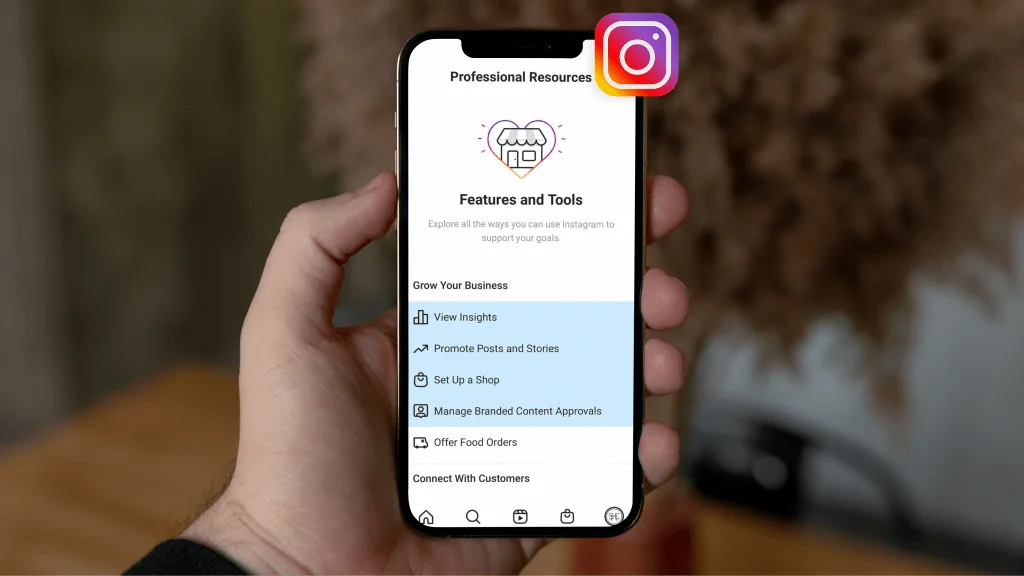
Google’s story resonates because everyone has struggled to find information and appreciates when things are made simpler.
The emotional level of your storytelling should match your brand’s personality and values.

A luxury brand might focus on aspirational emotions like pride and achievement, while a family brand might emphasize comfort and security. The key is being genuine about who you are and what you stand for.

Clear Mission and Values Integration

Your brand’s mission should be woven throughout your entire narrative, not just mentioned once.

Apple’s mission to “think different” appears in everything from their marketing campaigns to their product design. This consistency helps customers understand what the brand stands for at every interaction.

Similarly, the Spotify Brand Guidelines ensure their mission and values are consistently reflected in all communications.

Core values need to be demonstrated through actions, not just words.

Dove’s commitment to real beauty shows up in their advertising, their product development, and their community programs.

When values are integrated throughout the business, the brand story becomes more believable and powerful.

The next step after defining your mission is making sure every piece of content marketing supports that story. Whether you’re posting on social media or creating marketing campaigns, everything should reinforce your brand’s narrative and help customers understand why you exist.

Framework For Creating Your Own Brand Story

Framework For Creating Your Own Brand Story

Building a compelling brand story starts with a clear plan that speaks to your target audience.

Identifying Your Origin Story

Every compelling narrative starts with a strong origin story. This isn’t just about when you started your business – it’s about why you started it.

What problem were you trying to solve? What motivated you to take action when others didn’t?

Your origin story should include the moment when you realized there was a better way to do something.

For Google, it was realizing that existing search engines weren’t good enough.

For Warby Parker, it was the shock of expensive eyewear prices. These moments of realization make great starting points for brand storytelling.

Keep in mind that your origin story doesn’t need to be extraordinary or theatrical. Often, the most impactful stories arise from common frustrations experienced by many.

The essential element is to be truthful about what inspired you and how that inspiration continues to influence your business today.

It’s vital to determine what is your niche right from this stage.

Defining Your Brand’s Hero’s Journey

The hero’s journey is a storytelling framework that works well for brand narratives.

In this structure, your brand or your customers face a challenge, go through struggles, and eventually find a solution that makes things better.

This pattern feels natural because it mirrors how we experience change in real life. Your brand can be the hero that solves problems for customers, or you can make your customers the heroes and position your brand as the guide that helps them succeed. TOMS makes customers the heroes by letting them help children through their purchases.

Apple makes customers the heroes by giving them tools to “think different” and create amazing things.

The journey should include obstacles and setbacks, not just easy wins. People connect with stories that include struggle because that’s how real life works. When you show how you overcame challenges, it makes your success more meaningful and your brand more relatable.

Creating Authentic Messaging

Authentic messaging means using language that feels natural and genuine, not corporate or sales-focused. The best brand stories sound like conversations with friends, not speeches from executives.

They use simple words and clear ideas that anyone can understand.

Your messaging should reflect your brand’s personality consistently across all channels. If your brand is playful and fun, your social media posts should feel different from those if your brand is serious and professional.

You can see this reflected in the tone of the Uber Brand Guidelines. But the core story and values should remain the same everywhere.

Testing your messaging with real customers helps ensure it resonates. Ask people what they think your brand stands for after hearing your story.

If their answers don’t match what you intended, you may need to adjust how you’re telling your narrative.

Implementation and Best Practices

Success in brand storytelling comes from smart planning and sticking to best practices.

Content Structure and SEO Optimization

When creating content marketing around your brand story, structure is important for both readers and search engines.

Use clear headings and short paragraphs to make your story easy to follow. Include your main keywords naturally throughout the content, but don’t force them where they don’t belong.

Stories work well for SEO because they keep people on your website longer and encourage sharing. When visitors spend more time reading your content, search engines see this as a sign that your content is valuable.

This can help improve your rankings for important keywords.

Visual storytelling through images and videos can make your brand narrative more engaging and shareable.

People remember stories better when they include visual elements, and social networks favor content that includes images or videos.

For visual assets, you should also be mindful of licensing considerations like rights-managed vs royalty-free.

Consider creating infographics or short videos that tell parts of your brand story; many find success with high-quality graphic design packages or unlimited graphic design services to produce these visuals.

Multi-Channel Storytelling Strategy

Your brand story needs to work across different platforms and channels.

The core narrative stays the same, but how you tell it should adapt to each platform’s strengths and audience expectations.

Instagram stories might focus on visual elements, while blog posts can include more detailed background information.

Social media platforms each have their own culture and best practices for storytelling. For instance, knowing the best apps to make reels is important for platforms like Instagram.

LinkedIn content should feel more professional, while TikTok content can be more casual and fun. But your brand’s values and personality should come through on every platform where you have a presence.

Email marketing gives you a chance to tell longer, more detailed parts of your brand story. You can share behind-the-scenes content, customer success stories, and updates on your mission progress.

This helps build deeper relationships with people who are already interested in your brand.

Measuring Story Impact and Effectiveness

Track metrics that show how well your brand story is connecting with people.

Look at engagement rates on social media, time spent on your website, and how often people share your content. These numbers can tell you whether your storytelling is resonating with your target audience.

Customer feedback and surveys can provide insights that numbers alone can’t give you. Ask customers what they remember about your brand story and how it influenced their decision to buy from you. This qualitative data helps you understand the emotional impact of your narrative.

Sales and conversion data can show the business impact of your brand storytelling efforts. While stories aren’t just about immediate sales, they should eventually contribute to business growth through increased brand loyalty and customer relationships. Offering best-selling digital products can often be a direct result of effective brand storytelling.

FAQ’s:

What Exactly Constitutes A Brand Story, and How Does It Differ From Traditional Marketing?

A brand story is your full tale about who you are. It shows why you exist and what you believe in.

This is different from regular marketing that talks about product features and benefits. Brand storytelling builds emotional ties by sharing experiences, values, and goals. These are things that customers can connect with. Regular marketing tells people what to buy.

In contrast, brand stories help people see why they should care about your brand. This goes beyond just the products you offer.

Why Is A Well-Created Brand Story Critical For Modern Businesses?

Well-made brand stories help keep customers loyal. They also set you apart from others in the field.

In today’s busy market, customers have many options. They often pick brands they feel close to in some way.

A strong brand story helps people remember you better. It creates a base for real relationships instead of just one-time sales.

Research shows that feeling connected can lead to higher future value for customers.

How Can Small Businesses Develop Effective Brand Stories?

Small businesses have some good points when telling real stories. They are closer to their roots and the reasons their founders started.

Begin with your story of how it all began.

What issue were you trying to fix? Why was it important to you? Think about your main values and how they affect your work every day.

Small businesses can share more personal and true tales. This often connects better than the big company stories.

For new businesses, choosing from the best websites for small businesses can also help structure their initial narrative.

Can Brand Stories Change Customer Perceptions?

Yes, strong brand stories can change how people view your company.

Apple’s “Think Different” campaign made it more than a struggling computer firm. It became known as an innovative lifestyle brand.

Dove’s “Real Beauty” campaign changed talks in the beauty world. It also raised sales by 30% in just the first year.

When you regularly share a strong story, it can help with real issues or dreams. This way, you can change how customers view your brand.

How Can I Use My Brand Story In Marketing?

Your brand story is very important for all your marketing plans. It should guide all your content work. Use it on your website’s about page.

Share it in social media posts and email ads. You can also share it when meeting new customers.

Using a comprehensive graphic design services list can help you visualize this story across all channels.

Make sure to change the story for each platform. Keep the main message the same, though. Add parts of your story in product details and customer chats. You can even include it on the packaging.

The key is to mix your story into all customer contacts. Do not just use it for special events.

Conclusion

The best brand story examples show us that successful companies don’t just sell products – they create movements that people want to join.

From Google’s mission to organize information to Patagonia’s fight for environmental stewardship, these brands built loyal communities by staying true to their core values and telling authentic stories.

Creating your own compelling brand story takes time and honest reflection about why your business exists.

But when you connect with customers on an emotional level through genuine storytelling, you build something more valuable than just sales – you build lasting relationships that drive long-term success.

As I’ve learned through years of helping brands find their voice, the most powerful tool in marketing isn’t fancy advertising or clever tactics.

It’s the simple act of sharing who you are and why you care in a way that makes others care too.

Your brand’s story is waiting to be told – make sure it’s worth remembering.

Categories
Branding Design Marketing

Instagram Marketing Strategy Basics 2025: Guide For New Brands

As a designer, your Instagram profile isn’t just a portfolio—it’s a gateway to connecting with your ideal clients.

With 2 billion monthly active users, Instagram offers creative professionals an unmatched platform to showcase their work, build brand awareness, and engage a target audience that values artistry.

At Designers Choice, we know the challenges of standing out in a crowded space. That’s why a tailored Instagram marketing strategy is essential.

By optimizing your Instagram business account, using Instagram Stories and Reels, and analyzing Instagram analytics, you can turn followers into clients.

Whether you’re highlighting user-generated content or using targeted ads, every post should reflect your unique style while driving website traffic and fostering a loyal community.

Let’s transform your social media presence into a growth engine.

What Is Instagram Marketing?

What Is Instagram Marketing?

Instagram marketing includes all the actions that businesses take on Instagram to meet their goals.

This covers making free content, using paid ads, and working with influencers. An effective Instagram marketing strategy also involves building a community with different types of posts, like stories, reels, and carousel posts.

For creative workers, Instagram acts as a digital gallery, a tool for networking, and a place to sell. You can find inspiration from successful brand story examples to shape your own narrative.

Good Instagram marketing mixes pictures with smart content planning.

It requires knowing how to read Instagram data, improving your profile for search, and creating a plan that connects with your audience.

This should also align with your overall social media plan.

Why Instagram Marketing Matters For Businesses?

Why Instagram Marketing Matters For Businesses?

Instagram is a top social media platform for businesses today. Its focus on visuals fits how our brains work.

Visuals are understood 60,000 times faster than words. This makes Instagram great for grabbing attention and making strong brand memories, especially with a high-quality profile image.

For creative workers, Instagram offers great chances to show their work clearly. They can share their skills and connect with real people. These people could be future clients or partners. The platform’s system favors new, high-quality content.

This gives skilled designers and creators a fair chance to succeed, no matter how big their business is.

What Are The Benefits of Instagram Marketing?

What Are The Benefits of Instagram Marketing?
  1. Wide Audience Reach and High Engagement Rates: Instagram boasts one of the highest engagement rates among social media platforms, with 58% more engagement per follower than Facebook. This high level of interaction ensures that quality content reaches and resonates with audiences. For creative businesses, having an Instagram presence translates to more eyes on portfolios, increased brand recognition, and higher conversion rates from social media content to actual business inquiries.
  2. Influencer Collaboration: The platform excels at facilitating influencer marketing partnerships, allowing businesses to use creators’ loyal followings. Creative professionals can collaborate with other designers, lifestyle influencers, or industry experts to expand their reach and credibility within their target market.
  3. Targeted Advertising: Instagram ads use sophisticated targeting capabilities, allowing businesses to reach specific demographics, interests, and behaviors. This precision targeting ensures marketing budgets are spent efficiently, reaching potential customers most likely to engage with creative services.
  4. Shoppable Features: Instagram shopping features enable direct sales through the platform, streamlining the customer journey from inspiration to purchase. Creative professionals can tag products, services, or portfolio pieces, making it easier for interested viewers to take action. This is a great way to promote your best selling digital products.
  5. Community Building, Brand Awareness, and Loyalty: Instagram excels at fostering communities around shared interests and values. Through consistent posting schedule, story highlights, and meaningful engagement, creative professionals can build loyal followings that translate into long-term business relationships and referrals.
  6. Analytics and Insights: Instagram insights provide detailed performance data, helping businesses understand what content resonates with their audience. These Instagram analytics tools enable data-driven decision making and continuous strategy refinement.
  7. Cost-Effectiveness: Compared to traditional advertising methods, Instagram marketing offers exceptional value, particularly for small businesses and creative professionals with limited marketing budgets. Many of the best websites for small businesses use Instagram for this reason.
  8. Mobile-Focused: With most Instagram users accessing the platform via mobile devices, Instagram marketing reaches audiences in their most engaged, personal moments throughout the day.
  9. Showcasing User-Generated Content: The platform facilitates sharing customer testimonials, project photos, and collaborative work, providing authentic social proof that builds trust with potential customers.

How to Set Up Instagram For Marketing?

How to Set Up Instagram For Marketing?
  1. Create A Business Account: Converting to a professional account on Instagram unlocks essential marketing features, including Instagram analytics, contact buttons, and promotional tools. The conversion process is straightforward and immediately enhances your professional appearance.
  2. Complete Your Profile: Converting to an Instagram business account unlocks essential marketing features, including Instagram analytics, contact buttons, and promotional tools. The conversion process is straightforward and immediately enhances your professional appearance. Think of your profile as a digital version of your detailing business cards, offering a quick and impactful first impression.
  3. Connect to Facebook: Linking your Instagram account to Facebook enables cross-platform posting, enhanced analytics, and access to Facebook’s powerful advertising ecosystem.
  4. Optimize Your Profile For Search: Strategic placement of keywords in your username and display name improves discoverability when potential customers search for creative services.
  5. Develop A Content Strategy: Plan types of content that showcase your expertise while providing value to your target audience. This includes portfolio pieces, behind-the-scenes glimpses, industry insights, and client testimonials. You can draw inspiration from various campaign poster ideas to diversify your visual content.
  6. Use Hashtags Strategically: Research and implement relevant hashtags that connect your content with interested audiences without appearing spammy. Focus on specific hashtags relevant to your niche rather than generic terms.
  7. Post Consistently: Maintain a consistent posting schedule that keeps your audience engaged without overwhelming them. Quality should always take precedence over quantity.
  8. Engage With Your Audience: Respond to comments, engage with followers’ content, and participate in community conversations to build meaningful relationships.
  9. Use Instagram Stories and Reels: These features can be used for behind-the-scenes content, quick tips, product launches, and real-time engagement with your audience.
  10. Set Up Instagram Shopping (If Applicable): For businesses selling products or services, Instagram shopping streamlines the purchase process and provides additional revenue streams. This is especially useful if you want to find places to sell art online.
  11. Run Instagram Ads: Supplement organic content with targeted advertising to reach wider audiences and achieve specific business goals.
  12. Monitor Performance: Regular analysis of Instagram analytics helps optimize strategy and demonstrate ROI to stakeholders.

How To Create An Instagram Marketing Strategy?

How To Create An Instagram Marketing Strategy?
  1. Define Your Goals: Make sure to set clear, measurable objectives for your Instagram marketing goals and efforts. Whether you want to increase brand awareness, drive website traffic, or generate leads, specific goals will guide your content creation and help measure success.
  2. Identify Your Instagram target audience: Research and define your ideal Instagram audience, including demographics, interests, and behaviors. Understanding your Instagram target audience enables you to create content that resonates and choose appropriate hashtags and engagement strategies.
  3. Analyze Competitors: Study successful competitors in your industry to identify opportunities and best practices. Analyze their content strategy, engagement rates, and posting patterns to inform your own approach while maintaining your unique brand voice.
  4. Create A Content Plan: Develop a structured content calendar that ensures great content through consistent posting and strategic messaging. Plan content around key dates, product launches, and industry events to maximize relevance and engagement.
  5. Choose A Consistent Visual Style: Establish a cohesive visual identity that reflects your brand personality and makes your content instantly recognizable. Consistent aesthetics help build brand recognition and create a professional appearance, which can go a long way in engaging your audience.
  6. Use Instagram Features Strategically: Use different Instagram features like stories, reels, IGTV, and live video to diversify your content and reach different audience segments. Each feature serves different purposes and appeals to various user preferences.
  7. Write Engaging Captions: Create compelling Instagram captions that encourage interaction and provide value to your audience. Use your captions to tell stories, ask questions, and include clear calls-to-action that drive engagement.
  8. Utilize Hashtags: Implement a strategic hashtag approach that combines popular and niche-specific tags to maximize discoverability. Research and use hashtags that your target audience actively follows and engages with.
  9. Partner With Influencers: Identify and collaborate with influencers who align with your brand values and have engaged audiences that match your target demographic. Influencer partnerships can significantly expand your reach and credibility.
  10. Monitor Analytics: Continuously track your performance using Instagram insights and third-party analytics tools. Regular monitoring allows you to adjust your strategy based on what works best for your audience.

Setting Up Your Instagram Business Foundation

Setting Up Your Instagram Business Foundation

Converting to Instagram Business Profile

Switching to a business account gives you helpful tools for marketers. Business profiles provide detailed stats about your posts. They also have contact buttons for easy reach. Plus, they include ad features that personal accounts lack.

This change can make your brand look more trustworthy. It shows that you are professional to potential customers.

Optimizing Your Instagram Bio and Profile

Your Instagram bio is like a short pitch on the app. It is important to add key details as this is your brand’s first impression.

This means you should say what you do. You should also say who you help and how to reach you. Use a clear call-to-action in your bio. This will guide visitors to your landing page or website.

At VH-info, we think of your bio as a small sales page. It should show your value to others quickly.

Instagram Business Tools and Features Overview

Learn about Instagram’s tools for businesses. You can use Creator Studio to plan your posts. Check Instagram Insights for data on your posts. Explore the different ads you can run on the platform. These tools help you manage social media with ease.

They also provide important data to improve your marketing plan.

Developing Your Instagram Marketing Strategy

Developing Your Instagram Marketing Strategy
  1. Defining Clear Marketing Goals and Objectives: Successful Instagram marketing starts with clear goals. These goals should match your bigger business aims. You might want to raise brand awareness. You may also wish to get new leads or keep current customers. Having specific goals helps you create content. They also help you measure how well your efforts are working.
  2. Understanding Your Target Audience: Deep audience research is key for good Instagram marketing. First, look at your current customers. Then, check out the followers of your rivals. Use Instagram insights for social listening to see who interacts with your posts. This knowledge helps you make content that connects well. It also helps you pick the best times to post.
  3. Competitive Analysis and Benchmarking: Regular checks of your competition show chances and trends in the field. These insights can help shape your plan. Look at successful accounts in your area. Study what they post and how they engage with their audience. Find areas where you can do better or offer more. This research will help you set your brand apart. You will also learn from what works for others.

Content Strategy and Creation

Content Strategy and Creation

Developing Your Brand’s Visual Identity

Consistent visual branding helps people recognize your content right away. It also builds trust with your audience.

Create a style guide for your brand. This guide should include color choices, font styles, and image types. These elements should show your brand’s personality. Keeping this style the same makes your content look professional. This helps it stand out in users’ feeds.

Content Pillars and Themes

Start by making content pillars. They will give you a plan for what to post. This will help keep things fresh. Your themes can be many types of content. For example, you might share tips, show behind-the-scenes looks, or highlight customers. You can also share news about your field.

Content pillars help keep your posts steady and useful for your followers. They ensure that your audience gets different kinds of value.

Content Types and Formats

Diversify your content mix using various Instagram features like posts, stories, reels, and IGTV.

Different content types serve different purposes and appeal to various user preferences. Video content, in particular, tends to generate higher engagement rates and receives favorable treatment from the Instagram algorithm.

User-Generated Content Strategy

You should ask your customers to make and share posts that show your brand. Posts made by users are real proof of your brand’s value. They also give you a good flow of content for your channels. Create special hashtags and rewards to inspire customers to share their stories.

Hashtag Strategy and Optimization

Hashtag Strategy and Optimization

Instagram Hashtag Research and Selection

Effective hashtag research means finding the right mix of popular and specific tags. You should use tools to help you find good hashtags. These hashtags should have high engagement but low competition.

Try to use a blend of general terms from your industry and focused, targeted hashtags.

Branded Hashtag Development

Make unique hashtags that fit your brand. These should make people want to join in and share their content.

The hashtags need to be easy to remember and spell. They should also relate to your brand or any campaigns you have. Use these hashtags often in all your marketing tools. This will help build recognition for your brand.

Hashtag Performance Analysis

Regular hashtag checks are important for finding tags that boost engagement. These tags can help you reach more people.

By watching which combinations work best, you can connect with your audience better. This will also make your posts more visible. Keeping an eye on trending hashtags in your field helps more people find you. It can bring in a larger crowd to your page.

Trying out different hashtags and adjusting your plan based on results can greatly improve your marketing on social media.

Content Planning and Publishing

Content Planning and Publishing

Creating an Instagram Content Calendar

A well-planned content calendar for your Instagram post is very important. It helps with regular posts and keeps your messages on track. You should plan around key dates and product launches. This way, you stay updated on trends. It also helps you connect better with your audience.

Using different types of content is key. This includes blogs, videos, infographics, and social media updates. These keep your audience interested. Mixing promotional and helpful posts builds trust with your followers. It can also improve sales.

Regularly checking your calendar based on results will help you improve your strategy for better outcomes.

Optimal Posting Times and Frequency

Research the best times to post on Instagram. Use Instagram analytics to connect with your audience. General rules can help, but make your plan fit your needs. Keep a good balance in how often you post.

Posting too much can annoy followers. Posting too little may make them lose interest. Staying consistent is important for keeping people engaged. Make sure your content looks good and shows your brand well.

High-quality photos and videos get more interaction. Use Instagram features like Stories, Reels, and IGTV to share different types of content. Engagement is very important. Reply quickly to comments and messages to build trust with followers. Check insights often to see how you are doing. Look at metrics like reach, likes, and shares. Use this information to improve your strategy for better engagement.

Content Scheduling and Automation Tools

Scheduling tools like Sprout Social help you keep a regular posting plan.

This is very useful during busy times. Automation makes social media easier to manage. It allows you to plan content ahead of time. You can also set specific times for posts and manage multiple accounts at once.

Exploring a Social Network SaaS solution can provide even more powerful automation features.

By using automation, you can save time while staying active online.

These tools also give you data on how your audience engages with your posts. They show the best times to post as well. This helps you improve your strategy and get more interaction from your target audience.

Instagram Stories and Short-Form Content

Instagram Stories and Short-Form Content

Instagram Stories Strategy

Instagram stories offer chances for fun and behind-the-scenes content. This kind of content helps create real connections. You can use stories for updates that are time-sensitive. You can also use them for polls, Q&As, and quick looks at your daily work.

Stories are great for staying present between your regular posts.

Instagram Reels Creation and Optimization

Instagram reels are now very important for getting more reach and engagement. You should create short and fun videos. These videos can show your skills or give quick tips to your viewers. You can find the best apps to make reels to help you create high-quality content efficiently.

Reels tend to get more views than regular posts do. This makes them great for gaining more followers.

Live Video and IGTV Strategies

Live video helps you connect with your audience right away. It shows that you are real and honest. You can use live sessions for questions and answers. They are also good for showing products or talking about your field. IGTV is great for longer videos.

It can help you show your expertise and give more value.

Instagram Advertising and Paid Promotion

Instagram Advertising and Paid Promotion

Instagram Ads Manager Setup and Navigation

Master Instagram’s ad platform to boost your natural efforts. Begin with easy campaigns.

As you get better, look into more advanced targeting options. This will help you reach the right people. The link with Facebook’s ad system gives strong targeting tools. Use these tools to make your ads more effective.

Ad Creative Best Practices

Creating ads that fit the platform is key for good marketing. You should also show your unique value.

Good visuals and strong words catch people’s eyes and make them act. Testing different ideas helps you see what works best for your audience.

This way, you can improve your ads for better results. Also, make sure your content matches the platform to boost engagement.

This will help improve your performance. Keeping your brand look and message steady across all channels builds trust with your audience.

Campaign Optimization and Scaling

Regularly checking your ad campaigns is very important for good results. Monitoring helps you see what works and what does not.

Start with small budgets to try out different methods.

This will help you find what your audience likes. When you find ads that work well, increase the budget to make them bigger.

Keep improving your return on investment by looking at data closely. This helps you make better choices about targeting, messages, and ideas.

Trying out different types of ads shows which ones do the best.

Stay aware of new trends in online ads and change with how consumers behave and platform rules. Regular review, testing, and improvement are vital for success in online advertising.

Analytics and Performance Measurement

Instagram Analytics and Insights

Instagram insights give you helpful data about your audience and how your content does.

Checking this data often helps you see what kind of content works best. It also shows when your audience is online the most. This way, you can learn how your work helps reach your business goals.

Third-Party Analytics Tools

Special tools help you understand Instagram better. They give you details about posts, likes, and who follows you.

Analyzing this data reveals your followers’ preferences, as well as areas for improvement. Additionally, these tools enable you to observe your competitors and identify trends, allowing you to draw inspiration from them.

With all this information, you can make smart choices for your Instagram plan. You will know the best times to post and how to improve your content for better results.

ROI Measurement and Attribution

You need to find ways to see how your Instagram marketing helps your business. You can check website visits and new leads. You can also look at direct sales. Measuring your return on investment, or ROI, shows if your marketing is useful. This helps you make better choices later on.

Advanced Instagram Marketing Strategies

Advanced Instagram Marketing Strategies

Influencer Marketing and Partnerships

Strategic partnerships with influencers can help you reach more people. They can also boost your trust in the market. It is important to build real relationships with these influencers. Choose those who have audiences that match your target market.

Micro-influencers can give you better engagement rates. They often create more genuine connections than larger influencers do.

Instagram Shopping and E-commerce Integration

For businesses that sell products, Instagram shopping makes buying easy. You can link your product list to Instagram.

This lets customers buy directly from your posts and stories. A strong e-commerce design is important for a seamless shopping experience.

This feature helps make the shopping process smoother for buyers. It can also boost the number of sales you make.

Community Building and Engagement

Building real groups around your brand is very important for lasting success in online marketing.

It’s about making strong ties, not just gaining more followers. Real engagement means quick replies to comments and joining in on talks. It also means showing thanks to your audience. A strong brand group can turn into loyal fans who boost your trust by sharing good words.

Conclusion

Creating a strong Instagram marketing plan needs careful thought and regular work.

To succeed on Instagram, know your audience well. Make useful content and build real connections with your community.

The methods in this guide give a clear path for businesses that want to use Instagram’s great marketing power.

At VH-info, we show how smart online marketing can help businesses grow. We help SaaS companies create strong link profiles for more traffic.

A good Instagram marketing plan can be key to your online marketing tasks. It is important to set clear goals first. Keep working steadily and adjust based on what the data shows and what your audience thinks.