Categories
Canva

How to Indent in Canva & Canva Docs: Learn Fast & Easy (Guide)

Indenting text in Canva is not as simple as pressing the Tab key. Unlike Microsoft Word or Google Docs, Canva does not have automatic indentation – so you need to know the right workarounds to get clean, professional-looking text in your designs.

In 2026, Canva gives you two main ways to work with indentation – manual methods for standard designs like presentations and social media graphics and built-in indent buttons for Canva Docs. Both approaches are easy once you know where to look.

In this guide, we will walk you through every method step by step – from first-line indents and hanging indents to block indentation and how to use rulers for precise alignment. No design experience needed.

Understanding Types of Indentation

Understanding Types of Indentation

Before diving into specific Canva techniques, let’s establish the different types of indentation you might need in your designs.

First-Line Indents

A first-line indent occurs when only the first line of a paragraph is indented while all subsequent lines remain aligned with the left margin. This indentation style is commonly used in books, articles, and formal documents to indicate the beginning of new paragraphs.

The standard first-line indent typically measures about 0.5 inches or 5 spaces from the left margin.

This style enhances readability by creating visual separation between paragraphs without requiring extra line spacing, making it particularly effective for body text in multi-paragraph documents.

Hanging Indents

A hanging indent (also called a negative indent) is the reverse of a first-line indent.

With this formatting style, the first line of text aligns with the left margin, while all subsequent lines are indented. Hanging indents are commonly used for bibliographies, references pages, and citation lists.

This indentation style makes it easier for readers to scan through lists of information by clearly highlighting the beginning of each entry.

Academic papers using APA or MLA formatting typically require hanging indents in their references sections, making this an essential skill for creating educational materials in Canva.

Block Indents

Block indentation occurs when an entire paragraph or section of text is uniformly indented from the left margin. This style creates visual separation between the indented text and surrounding content, often used for quotes, excerpts, or to establish a hierarchy of information.

In professional documents and presentations, block indents help organize information and direct the reader’s attention to specific content. They’re particularly effective when you want to emphasize certain sections without changing other text elements like font size or style.

How to Indent in Canva?

How to Indent in Canva?

Creating indents in Canva requires different approaches depending on whether you’re working with standard Canva designs or Canva Docs.

Before you even start with text, you might need to set up your page orientation by learning how to landscape in Canva.

Unlike Microsoft Word or Google Docs, Canva doesn’t offer a tab key function for automatic indentation.

For standard Canva designs (presentations, social media graphics, etc.), you’ll be manipulating various elements manually.

For instance, when creating presentations, you might also need to learn how to put a timer in Canva to keep your talk on track. While we’re focusing on text, it’s also useful to know how to replace an image in Canva or even how to flip an image in Canva to complete your design.

For standard Canva designs, you’ll need to use manual methods:

  1. Add a text box to your canvas using the Text tab in the toolbar
  2. Enter your text content
  3. For first-line indents, place your cursor at the beginning of the paragraph and add spaces manually
  4. For block indents, either add spaces before each line or adjust the position of the entire text box
  5. For hanging indents, you’ll need to use multiple text boxes (more on this later)

Canva Docs offers more formatting options through dedicated indent buttons in the toolbar. These make basic indentation more straightforward but still have limitations compared to traditional word processors.

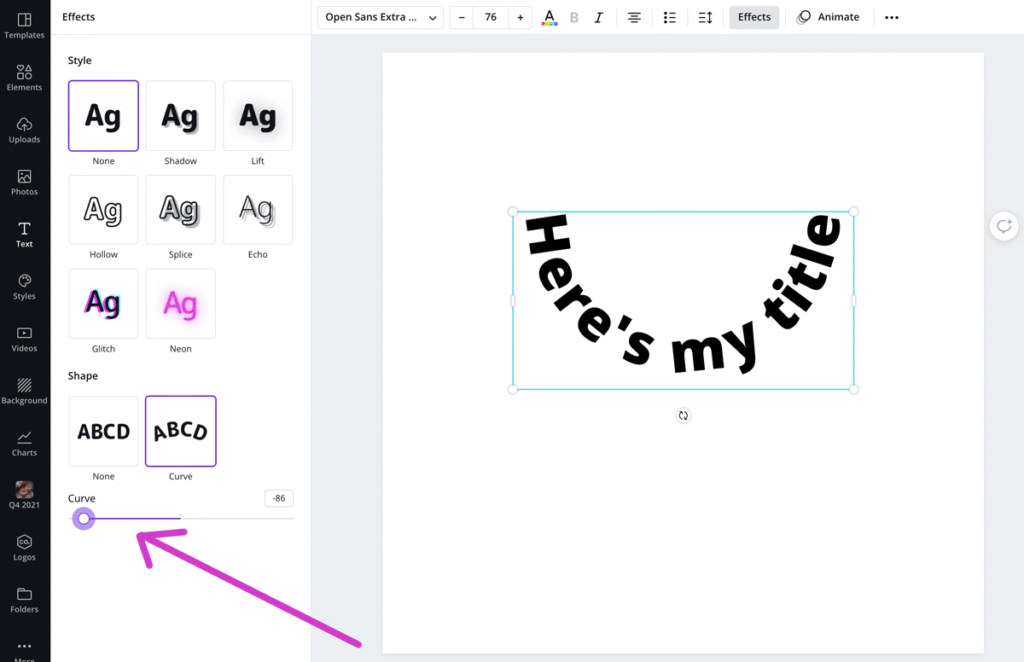
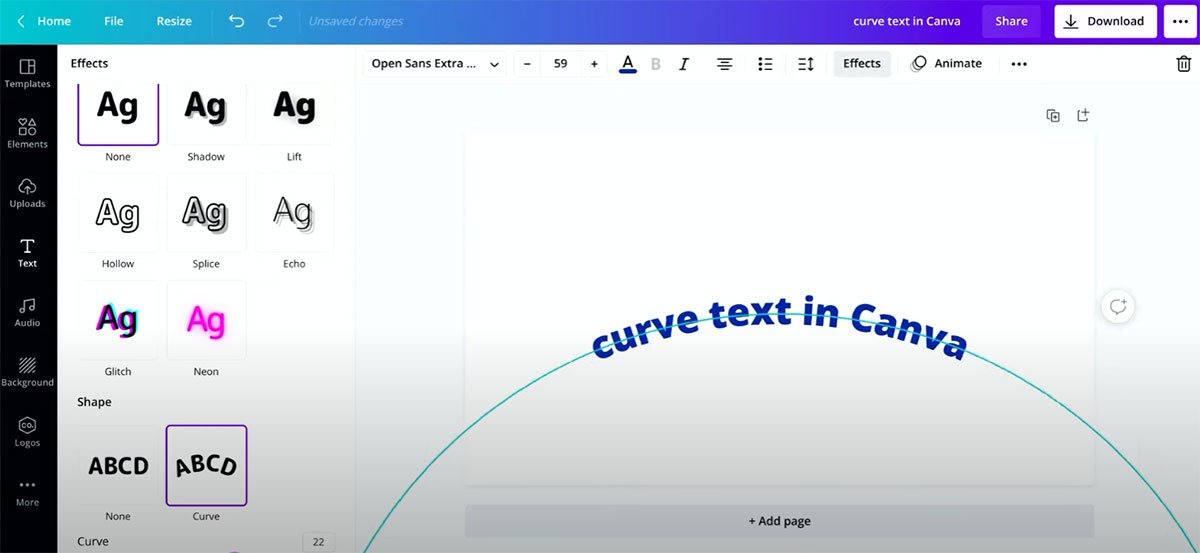
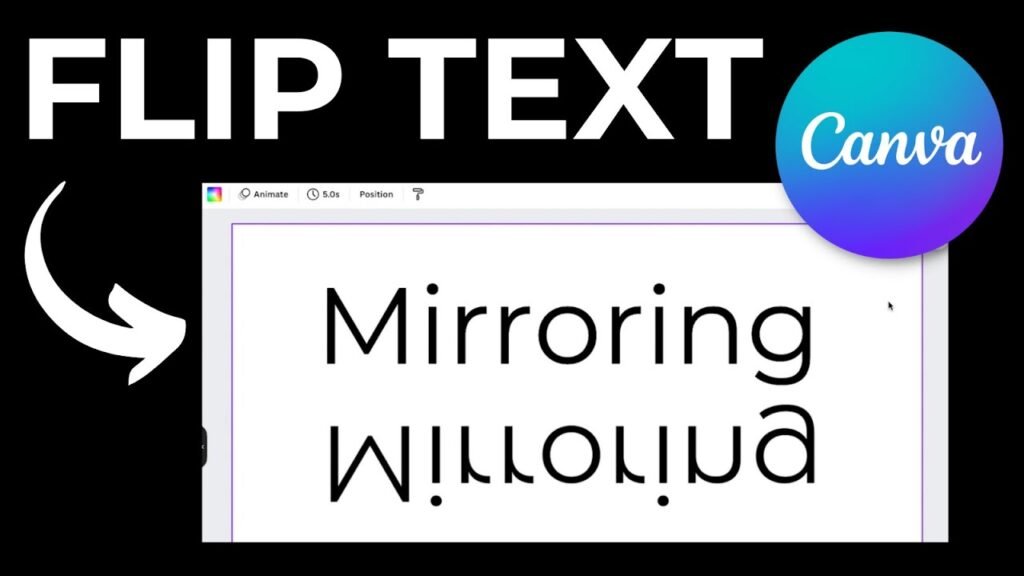
The key is understanding that Canva treats text primarily as a design element. This is why you can do cool things like how to curve text in Canva or even how to flip text in Canva, but also why basic formatting works differently. You can even further customize your designs by exploring if you can upload fonts to Canva for a unique look.

How To Do A Hanging Indent In Canva?

How To Do A Hanging Indent In Canva?

Creating properly formatted hanging indents requires specific techniques depending on which Canva format you’re using.

Indenting in Canva Designs (Not Docs)

When working with text in Canva presentations or other design projects, you’ll need to employ manual techniques for indentation.

First-Line Indent

To create a first-line indent in a Canva design:

  • Add a text box to your canvas using the Text tab
  • Type or paste your text into the box
  • Ensure your text is left-aligned by clicking the alignment button in the toolbar
  • Position your cursor at the beginning of the first line of your paragraph
  • Press the space bar approximately five times (the equivalent of a standard tab indent)
  • Repeat this process for each paragraph requiring a first-line indent

While not as precise as dedicated word processors, this method creates an effective visual indent for your paragraphs.

Block Indents

For block indentation in standard Canva designs:

  • Add your text box to the canvas
  • Select the entire text block
  • Use the space bar to add spaces at the beginning of each line, or
  • Adjust the position of the text box by moving it to the right on your canvas

The second method gives you greater flexibility, similar to how you can freely position other elements after learning how to cut out an image in Canva. This control is key to a polished design.

Hanging Indent

Creating hanging indents in Canva designs requires separating your text into multiple elements:

  • Add a text box and enter your complete text
  • Cut the text below the first line using Ctrl+X (Windows) or Command+X (Mac)
  • Create a new text box and paste this text
  • Format both text boxes identically (same font, size, spacing, etc.)
  • Position the second text box directly below the first line
  • Move the second text box to the right to create the hanging indent effect
  • Use rulers or guides for precise alignment

While this requires more steps than in traditional word processors, it gives you complete control over the appearance and spacing of your hanging indent.

How To Indent Text In Canva Docs?

How To Indent Text In Canva Docs?

Canva Docs provides more text formatting options than standard Canva designs, making some indentation tasks easier.

Indent An Entire Paragraph

To create a block indent in Canva Docs:

  • Select the paragraph you want to indent
  • Locate the “Increase Indent” button in the toolbar (it appears as an arrow pointing right)
  • Click this button to move the entire paragraph to the right
  • To reduce the indent, use the “Decrease Indent” button

This creates a uniform block indent for the selected text with consistent spacing.

Indent The First Line

For first-line indentation in Canva Docs:

  • Place your cursor at the beginning of the paragraph
  • Click the “Increase Indent” button in the toolbar
  • Canva Docs will indent the first line by approximately 2em spaces
  • For additional indentation, you may need to add manual spaces

Note that Canva Docs limits how much you can indent using the toolbar buttons.

While great for basic documents, you might also want to know how to add a clickable link in Canva PDF when you export your document.

For even more interactivity, you could add a QR code, but it’s important to know if Canva QR codes expire before adding them to print designs.

Advanced Indentation Techniques

Advanced Indentation Techniques

Creating Hanging Indents Manually

For more precise control over hanging indents in Canva designs:

  • Create a text box containing your entire text
  • Duplicate this text box (Ctrl+D or Command+D)
  • In the first text box, delete everything except the first line
  • In the second text box, delete only the first line
  • Align both text boxes so the first line appears directly above the rest
  • Move the second text box to the right to create the hanging indent effect
  • Group both text boxes (select both and click “Group” in the toolbar) to keep them together

This technique gives you precise control over the spacing and alignment of your hanging indent.

Using Rulers and Guides

For consistent indentation across multiple text elements:

  • Enable rulers by going to File > Show rulers
  • Add guides to your canvas by clicking on the ruler and dragging down or across
  • Use these guides to align your indented text consistently
  • For hanging indents, place a vertical guide where you want your indented text to begin
  • Align all subsequent lines to this guide for visual consistency

Using rulers and guides ensures uniform indentation throughout your design. This is especially important for multi-page documents like presentations or when you want to learn how to create a lookbook in Canva, where consistency is key to a professional appearance.

Indent Limitations and Workarounds

Limitations often come up when using Canva for designs, especially with indentation.

Tab Key Limitations

Canva’s most significant limitation for text formatting is the absence of a tab key. Another common question is, “Does Canva have spell check?”.

While it does, its functionality differs from traditional word processors, reinforcing the need for manual proofreading.

Workarounds include:

  • Using a consistent number of spaces (typically 5) for first-line indents
  • Creating separate text boxes for complex indentation needs
  • Utilizing Canva Docs’ indent buttons for basic indentation functions

Solutions For Complex Formatting

When creating documents requiring complex indentation:

  • Consider drafting your text with proper formatting in Google Docs or Microsoft Word first.
  • For especially complex sections, you might create images of properly formatted text. Similarly, for visual effects you can’t achieve directly, knowing how to fade an image on Canva or how to slice in Canva can provide creative workarounds.
  • For bibliographies or references, create one properly formatted entry, then duplicate and modify it. Mastering other text effects, like learning how to outline text in Canva or how to add a shadow in Canva, can also make your reference pages more visually distinct.

Tips For Professional Documents

For creating professional-looking documents with proper indentation:

  • Maintain consistent indentation spacing throughout your document.
  • When using multiple text boxes, match font, size, spacing, and alignment exactly.
  • Group related text elements to prevent accidental misalignment. This is especially important in complex layouts where you might also be figuring out how to wrap text in Canva around images.
  • Consider using Canva Docs for text-heavy projects. If you’re frequently creating professional documents, you might wonder, “Is Canva Pro worth it?”. The Pro version unlocks features that can streamline your workflow. Knowing how much Canva Pro costs and how to get Canva Pro for free can help you decide.
  • Use alignment tools and guides to ensure precise positioning of text elements.

FAQ’s:

How Can I Create A First-Line Indent In Canva?

In standard Canva designs, add spaces at the beginning of the first line of your paragraph- approximately 5 spaces creates a standard first-line indent. In Canva Docs, select the first line and use the “Increase Indent” button in the toolbar to indent just that line.

Remember that Canva Docs limits how much you can indent the first line before it begins indenting the entire paragraph.

Can I Apply Different Indents To Different Paragraphs?

Yes! In Canva designs, you can customize indentation for each paragraph individually by adding different numbers of spaces or creating separate text boxes with different positioning.

In Canva Docs, select specific paragraphs and apply different levels of indentation using the toolbar options. This gives you flexibility to create varied formatting styles within a single document.

Is There A Way To Do A Hanging Indent In Canva?

Yes, though it requires a manual approach. The most effective method in standard Canva designs is to separate your text into two text boxes-one for the first line and another for subsequent lines. Position the first text box at the left margin and place the second text box with the remaining text indented to the right. In Canva Docs, you’ll need to use similar manual techniques as there’s no built-in hanging indent feature.

Can I Indent An Entire Paragraph In Canva?

Absolutely. In Canva designs, indent an entire paragraph by either adding spaces at the beginning of each line or positioning the entire text box with an offset from the margin.

In Canva Docs, simply select the paragraph and click the “Increase Indent” button in the toolbar. This creates a uniform block indent that can be useful for highlighting quotes or important sections of text.

Conclusion

While Canva doesn’t provide the same text formatting capabilities as traditional word processors, the techniques outlined in this guide give you the tools to create professional-looking indentation in all your projects.

Understanding the different indentation types and mastering the manual methods in Canva lets you create polished, readable documents.

Remember that Canva’s strength lies in its flexibility as a design tool.

A common concern for professionals is whether Canva images are copyright-free, and understanding the licensing is important.

With practice, you’ll create perfectly indented text that enhances your designs. Once you’ve mastered these skills, you can even learn how to sell Canva templates on Etsy. Many designers ask, “Can I sell Canva designs on Etsy?”, and the answer is yes—turning your design skills into a business.

Whether you need to format academic references with hanging indents, create professional documents with first-line paragraph indents, or emphasize quotes with block indentation, these methods will help you achieve consistent, professional results in all your Canva projects.

Categories
Canva

74 Canva Tips and Tricks For Stunning Visuals Every Time

Canva is one of the most widely used design tools in the world  – and knowing a few smart tricks can make a huge difference in how fast and how well you design.

In 2026, Canva has more features than ever, from AI-powered tools to advanced brand kits and collaboration options. But even with all those features, most people only use a small part of what Canva can do.

This guide covers 74 of the best Canva tips and tricks  – from simple things like matching colors and choosing fonts, to more advanced techniques like using white space, setting up brand templates and working with grids. Whether you are a complete beginner or someone who uses Canva every day, there is something here that will improve your work.

Let’s get into it.

74 Canva Tips and Tricks

Canva Tips and Tricks

Creating top designs with Canva does not have to be hard. When you learn some Canva tips, you can make your own designs better. You get to use good templates, easy design tools, and add your own style to every graphic.

If you want to make graphics for social media or put together a first-rate presentation, Canva is very handy.

It has good design tools that save you time and help you get what you want. You will find many good design features that are simple to use in the editor. They help you with design skills, get good alignment, and improve how you work.

Dive into these 74 Canva tips and watch your own designs get better, faster, and more fun to make.

Canva Tip #1: Match Image Colors With Graphic Colors

Canva Tip #1: Match Image Colors With Graphic Colors

One of the best ways to create good design is to pick colors from your images and use them in your graphics. This technique helps everything look connected and professional. To do this in Canva, click on the object you want to change, then click the color box.

Next, click the plus sign and select the part of your image where you want to grab the color from. This creates a perfect color scheme that makes your design look polished and thought-out.

Professional designers use this trick all the time because it creates visual harmony. When your graphics and images share the same color palette, your design feels more unified.

This is especially important for social media posts where you want everything to look like it belongs together.

Try this technique with photos, illustrations, and even logos to create consistency across all your design elements.

Canva Tip #2: Never Use Drop Shadow

Canva Tip #2: Never Use Drop Shadow

Drop shadows might seem like a good way to make things stand out, but they often make designs look unprofessional and outdated.

Instead of using drop shadows, try changing your background color, moving your elements to different spots, or using contrast to make important parts pop. Good designers know that clean, simple designs usually work better than ones with lots of effects.

When you want something to stand out, use white space around it, make it bigger, or choose a different color that contrasts well with the background.

These methods create a visual hierarchy without making your design look cluttered.

Remember, less is often more in graphic design, and removing unnecessary effects like drop shadows will make your work look more modern and professional.

Canva Tip #3: Limit Your Design to Two Fonts

Canva Tip #3: Limit Your Design to Two Fonts

New designers often make the mistake of using too many different fonts in one design. This makes everything look messy and hard to read.

A good rule of thumb is to use only two fonts – one for your main titles and another for your body text. This creates a clean, organized look that’s easy for people to read and understand.

When choosing fonts, pick ones that work well together but are different enough to create contrast. You might choose a bold serif font for headlines and a simple sans-serif font for body text.

This combination gives you hierarchy while keeping things simple.

Most professional designers stick to this two-font rule because it creates consistency and makes designs look more polished and trustworthy.

Canva Tip #4: Keep Title Sizes Smaller Than You Think

Many beginners make their titles too big, especially for designs that will appear on screens.

A great way to improve your designs is to make your titles about 20% smaller than you first think they should be.

This gives your design more breathing room and makes it easier to read on different devices and platforms.

Smaller titles also help create better balance in your design.

When titles are too large, they can overwhelm other important elements like images or body text. By keeping titles at a reasonable size, you create space for other design elements to shine.

This technique is especially important for social media graphics, where people often view content quickly on small screens.

Canva Tip #5: Get Better Inspiration

Canva Tip #5: Get Better Inspiration

Good design starts with good inspiration.

Instead of copying what everyone else is doing, look at design work from different industries and periods. Study how professional designers use color, spacing, and typography in their work.

Save examples that inspire you in a folder so you can reference them later when working on your designs.

The Canva design community also offers tons of inspiration through templates and user-created content.

Spend time browsing different template categories to see how other designers solve common design problems.

Pay attention to how they use white space, arrange different elements, and create visual hierarchy. This research time will improve your design skills faster than just jumping into creating without any direction.

Canva Tip #6: Design With Whiteboards

Canva Tip #6: Design With Whiteboards

Canva’s whiteboard feature is perfect for planning your designs before you start creating them.

Use this tool to sketch out your ideas, organize your thoughts, and plan the layout of your design elements. This planning step can save you much time later and help you create better organized final designs.

Whiteboards are also great for collaboration when you’re working with a team. You can share ideas, get feedback, and make changes together before moving to the final design phase.

This collaborative approach helps ensure everyone is happy with the direction before you spend time on detailed design work.

Canva Tip #7: Contrast the Important Parts

Canva Tip #7: Contrast the Important Parts

Contrast is one of the most powerful design tools for directing attention. Make sure the most important parts of your design have strong contrast with their surroundings.

If something isn’t important but has high contrast, try reducing the contrast or changing the image to better control where people look first.

Think of contrast like a spotlight – it should shine on the most important information.

This might mean using bright colors against dark backgrounds, large text against small text, or bold elements against subtle ones.

The key is being intentional about where you want people’s eyes to go and using contrast to guide them there.

Canva Tip #8: Consistent Spacing

Canva Tip #8: Consistent Spacing

Great designs have consistent spacing between all their elements. Canva makes this easy with built-in alignment tools.

Select all your elements, click the position button at the top menu, and you can create even spacing both horizontally and vertically.

This creates a professional, organized look that makes your design easier to read and more visually appealing.

Consistent spacing is like having good posture for your design – it makes everything look more put-together and intentional.

When spacing is inconsistent, designs look sloppy and unfinished.

Canva Tip #9: The Split the Difference Rule

Sometimes you want certain elements to feel connected, like a title and its description. In these cases, you can use half the normal spacing between elements to show they belong together.

This creates visual relationships and helps organize information in a way that makes sense to viewers.

This technique helps create groups of related information while maintaining the overall structure of your design.

It’s particularly useful for layouts with multiple sections or when you’re designing infographics with different categories of information.

Canva Tip #10: Remove the Fluff

Professional designs are usually simple and clean. If your design feels cluttered, start removing elements that aren’t absolutely necessary.

Every graphic, line, or decoration should serve a purpose. If it doesn’t help communicate your message or improve the visual appeal, take it out.

This minimalist approach helps your main message stand out and makes your design easier to process.

People’s attention spans are short, especially on social media, so removing unnecessary elements helps your audience focus on what really matters.

Canva Tip #11: Negative Space

White space (also called negative space) is the empty area around your design elements. Don’t be afraid to use plenty of it!

White space gives your design room to breathe and makes it look more professional and easier to read.

Many new designers try to fill every inch of space, but experienced designers know that empty space is just as important as filled space.

Good use of white space can make your design feel luxurious and high-end.

It also helps create focus by giving important elements space to stand out.

When planning your layout, think about white space as an active design element, not just leftover area.

Canva Tip #12: Grid System

Using grids helps create organized, professional-looking designs. Canva offers grid templates that you can use as guides for placing your elements. Grids help ensure everything lines up properly and creates a structured, easy-to-follow layout.

Even if you don’t use visible grid lines in your final design, thinking in terms of grids will improve your layout skills.

Grids are especially helpful for complex designs with multiple elements. They provide a framework that keeps everything organized and helps create visual rhythm throughout your design.

Canva Tip #13: Best Fonts to Use

Canva Tip #13: Best Fonts to Use

Choose fonts that match your message and audience. For professional business content, stick with clean, readable serif or sans-serif fonts.

For creative projects, you might choose more decorative typefaces, but always prioritize readability. Keep your font choices simple and make sure they work well at different sizes.

The canva editor offers hundreds of fonts, but having too many choices can be overwhelming.

Pick a few favorites and stick with them to create consistency across your designs. This also helps build your brand identity over time.

Canva Tip #14: Color Theory in a Nutshell

Canva Tip #14: Color Theory in a Nutshell

Understanding basic color theory will instantly improve your designs.

Colors next to each other on the color wheel work well together, while colors across from each other create strong contrast.

Use warm colors (reds, oranges, yellows) to create energy and cool colors (blues, greens, purples) to create calm feelings.

Don’t feel like you need to use many colors in one design.

Sometimes the best color scheme uses just two or three colors that work well together. This creates a more sophisticated look than using too many competing colors.

Canva Tip #15: Consistent Color Scheme

Canva Tip #15: Consistent Color Scheme

Pick a color palette and stick with it throughout your design. This creates unity and makes your work look more professional.

Canva’s color palette tools make it easy to save and reuse color schemes across different projects. Consistency in color choices helps build recognition and trust with your audience.

Your color scheme should reflect your brand identity and the mood you want to create. Once you find colors that work well for your style, save them in your brand kit so you can easily access them for future designs.

Canva Tip #16: Saving Templates

Canva Tip #16: Saving Templates

When you create a design you love, save it as a template so you can reuse the layout with different content.

This saves much time and helps maintain consistency across your work. Templates are especially useful for regular content like social media posts or presentations where you want the same look but different information.

To save a template, simply click on the three dots menu and select “Save as template.” This adds it to your personal template library where you can access it for future projects.

Canva Tip #17: Brand Colors, Logos, and Fonts

Canva Tip #17: Brand Colors, Logos, and Fonts

Set up your brand kit with your official colors, logos, and fonts.

This makes it easy to create on-brand content quickly and ensures consistency across all your designs.

Having everything in one place saves time and helps maintain your brand identity across different projects and team members.

Your brand kit becomes especially valuable when working with a team or when you need to create multiple designs quickly.

Instead of searching for your logo or trying to remember your exact brand colors, everything is easily accessible in one tab.

Canva Tip #18: Brand Templates

Canva Tip #18: Brand Templates

Create branded templates for your most common design needs.

This might include social media post templates, presentation layouts, or marketing materials. Brand templates help maintain consistency while allowing for quick customization. This approach is particularly valuable for businesses that need to produce regular content.

Set up templates with your brand colors, fonts, and style already in place. Then team members can simply swap out images and text while maintaining the professional, consistent look of your brand.

Canva Tip #19: Uploading Fonts

You can upload your own custom fonts to Canva to match your brand perfectly. This is especially important if you have specific brand fonts that aren’t available in canva’s library. Custom fonts help your designs stand out and maintain brand consistency across all platforms.

Make sure any fonts you upload are ones you have the legal right to use. Many font licenses allow personal use but require payment for commercial use, so check the terms before uploading fonts for business projects.

Canva Tip #20: Duplicating A Design

Canva Tip #20: Duplicating A Design

When you need to create similar designs with different content, duplicate your original design instead of starting from scratch.

Use the keyboard shortcut Command+D (or Ctrl+D on PC) to quickly duplicate elements, or use the option drag method to copy items while moving them.

This technique saves enormous amounts of time when creating a series of designs like social media content, presentations, or marketing materials that need the same basic layout but different information.

Canva Tip #21: Fast Color Schemes Using Styles

Canva’s styles automatically apply professional color schemes to your designs.

This is a great way to quickly test different color combinations and see what works best for your content. Styles take the guesswork out of color selection and can inspire new direction for your designs.

Try different styles on the same design to see how dramatically color changes can affect the mood and effectiveness of your work.

This experimentation can teach you a lot about color theory and help you develop your own color sense.

Canva Tip #22: Copy and Paste Images From Around the Web

Canva Tip #22: Copy and Paste Images From Around the Web

You can copy images from websites and paste them directly into canva. This makes it easy to quickly add reference images or inspiration to your designs. Just remember to only use images you have permission to use in your final designs.

This feature is particularly useful during the planning and inspiration phase of design work. You can quickly gather visual references and experiment with different directions before committing to final image choices.

Canva Tip #23: Removing Backgrounds From Graphics

Canva Tip #23: Removing Backgrounds From Graphics

Canva’s background removal tool uses AI to automatically remove backgrounds from graphics and illustrations.

Select your graphic and click the background removal filter to instantly create a transparent background. This feature saves hours of manual work that would traditionally require complex software like Photoshop.

Background removal is particularly useful for creating layered designs where you want to combine multiple graphics or place images over different backgrounds. The AI does an impressive job with most images, though you may need to make small adjustments for perfect results.

Canva Tip #24: Removing Backgrounds From Images

Canva Tip #24: Removing Backgrounds From Images

The same background removal feature works on photographs too.

This allows you to cut out subjects from photos and place them on new backgrounds or create transparent PNG files. This opens up endless creative possibilities for combining different visual elements.

This tool is especially valuable for creating product photos, social media content, and marketing materials where you need clean, professional-looking images without distracting backgrounds.

Canva Tip #25: Using Shaped Framed Image Elements

Shape frames let you put images into different shapes like circles, stars, or custom forms.

Drag an image onto a frame to instantly crop it to that shape. You can take this further by removing the background from the framed image and adding shapes with your brand colors behind it for a custom look.

This technique is perfect for creating unique profile pictures, product showcases, or decorative elements that fit your brand style.

The combination of frames and background removal gives you professional-level design control.

Canva Tip #26: Alignment Tool

Proper alignment makes designs look professional and organized. Instead of trying to line things up by eye, use Canva’s alignment tools. Select multiple elements, click position in the top menu, and choose how you want them aligned. This ensures perfect positioning every time.

Good alignment is one of the fastest ways to make your designs look more professional. It shows attention to detail and creates visual order that makes your content easier to read and more trustworthy.

Canva Tip #27: Grouping Tool

Group related elements together so you can move and resize them as one unit. This is especially helpful for complex designs with many different parts. Select multiple elements and right-click to group them, or use the keyboard shortcut Command+G (Ctrl+G on PC).

Grouping helps maintain relationships between elements and prevents accidentally moving parts of your design independently.

It’s particularly useful for logos, complex graphics, or any design elements that should always stay together.

Canva Tip #28: Quick Animation For GIFs

Canva Tip #28: Quick Animation For GIFs

Add simple animations to your designs to create engaging GIFs for social media. Canva offers several animation options that can bring your static designs to life without requiring advanced animation skills.

Animations can help your content stand out in busy social media feeds. Keep animations simple and purposeful. The goal is to enhance your message, not distract from it. Subtle animations often work better than dramatic ones for most business and social media applications.

Canva Tip #29: Creating Charts

Canva Tip #29: Creating Charts

Canva includes chart and graph tools for creating data visualizations.

These are perfect for presentations, infographics, or any design that needs to communicate numerical information clearly.

You can customize colors, fonts, and styles to match your brand.

Good data visualization is important for making complex information understandable. Canva’s chart tools make it easy to create professional-looking graphs without needing specialized software.

Canva Tip #30: Resizing Designs

Canva Tip #30: Resizing Designs

Magic Resize instantly adapts your design to different dimensions for various platforms.

Create one design and resize it for Instagram posts, Facebook covers, presentations, and more. This feature saves hours of manual resizing work.

This tool is particularly valuable for social media management where you need the same content in multiple formats.

Instead of recreating designs for each platform, you can adapt one design to work everywhere.

Canva Tip #31: Locking Elements

Canva Tip #31: Locking Elements

Locking elements stops them from moving accidentally.

Click any object (like text, logos, or images), then click the lock icon in the top menu. This is helpful when working with layers or protecting key parts like brand logos.

For example, lock a logo in the corner so it stays fixed while editing other elements. Unlock it later by clicking the same icon.

This feature saves time and keeps designs tidy, especially for social media templates where consistency matters.

According to Canva tutorials, locking ensures elements like borders or text boxes stay in place, even when selecting multiple items.

Canva Tip #32: Business Logos

Canva Tip #32: Business Logos

Create professional logos using shapes, text, and brand colors. Upload logos to Canva’s brand kit for easy access. Keep logos simple—use 1-2 fonts (like serif for titles and sans-serif for body text) and avoid clutter.

For example, pair bold text with a minimalist icon.

Update colors anytime using your color palette to match projects. Logos with transparent backgrounds work best for social media or business cards.

Canva’s brand kit lets teams maintain consistency across all designs.

Canva Tip #33: Option Drag For Duplicating

Hold the Option or Alt key while moving an item. This lets you make quick copies of it. You can use this for text, icons, or images.

For example, duplicate bullet points in a list. You can also copy social media icons for a neat look.

This method is faster than copy-pasting items. It also helps keep even spacing between items.

Use this tip in presentations or infographics to save time.

Tutorials explain how holding the Alt or Option key allows you to drag copies while keeping the original in place.

Canva Tip #34: Alt Drag For Scaling Proportionally

When you resize images, hold the Alt or Option key. This helps stop distortion, especially in photos with faces.

This method keeps shapes, text boxes, logos, and other design parts looking good together.

For example, scaling a QR code evenly is important to keep it working well.

This tip is great for making nice Instagram posts or eye-catching flyers.

Canva Pro has a resize tool that lets you change sizes without losing image quality. This makes sure your designs look professional on different platforms and print materials.

Always remember that keeping proportion while resizing is key for clear visual message.

Canva Tip #35: Select All Elements

Canva Tip #35: Select All Elements

Pressing Ctrl+A on Windows or Cmd+A on Mac selects everything on your canvas at the same time. This tool is helpful for making big changes. You can change colors, fonts, or alignments all at once.

For example, you can make all headings blue. You can also adjust spacing evenly in a grid layout. This saves time by not needing to edit each piece one by one. It helps keep things looking the same in brand projects.

This ensures a strong visual identity across different media platforms.

Canva Tip #36: Add A Line With L

Press the L key to add straight lines to your design.

You can change the line thickness and color using the options at the top. These lines can help separate text sections or underline important titles.

For example, a nice gold line under a heading makes a brochure look better. In social media graphics or infographics, lines help create structure and order. This makes designs look nicer and easier to follow.

Canva Tip #37: Add A Rectangle With R

Rectangles and squares are useful shapes for design.

They can be used as backgrounds, frames, or buttons. These shapes help people interact with web design better.

For instance, a pink rectangle placed behind a quote catches the eye. It also makes the visual look nicer.

To keep your brand strong, match the rectangle’s color to your brand’s colors.

In resumes or posters, these shapes help organize content for better reading. Try using different sizes and placements to fit your design style.

This could be modern and simple or bright and lively. Rectangles and squares give you many ways to be creative in graphic design.

Canva Tip #38: Circle With C

Press C to add circles. This is an easy way to improve your design.

Circles can have many uses. They work well for profile pictures, bullet points, or icons. They give a new look that makes things more appealing.

For instance, you can use a round badge with your logo in Instagram stories. This helps keep your brand the same on different sites. You can also resize circles without losing quality.

This makes it easy to change your design as needed.

Adding circles to social media posts or flyers makes them more interesting. It also helps your content get noticed.

Try using different sizes, colors, and shapes for better graphics. This will help share your message and grab your audience’s attention.

Canva Tip #39: Text Box With T

Adding text boxes to your design can make your graphics look better and work well.

You can use them for a blog image, poster, or TikTok thumbnail.

Text boxes let you add captions under photos. They also help you highlight key points or include calls to action. Try using different font styles, like bold or italic. This change can make your text pop out more.

Adjust the size and position of your text boxes to make them easier to read. This will help with how nice it looks overall. Press T to quickly add text boxes anywhere in your design. This way, you can show your creativity!

Canva Tip #40: Recording Presentations

Canva Tip #40: Recording Presentations

Recording presentations as videos is a powerful tool for educational or professional purposes.

Adding voiceovers or camera feeds to your slides creates a more engaging experience. Exporting your recordings as MP4 files allows easy sharing on platforms like YouTube, expanding your audience.

Canva’s recording tool enhances video creation, offering the ability to pause and retake sections for a polished final product.

This feature is invaluable for achieving seamless, professional presentations. Whether you’re a student on a project or a business professional pitching ideas, Canva’s recording feature can elevate your presentation quality and leave a lasting impression.

Canva Tip #41: Notes For Presenting

Adding secret notes under each slide with the Notes tab can improve your talks. These notes help you remember key facts or important points, especially for a pitch.

The great thing about these notes is that only you can see them when you present. This helps build your confidence and makes your talk smoother. You won’t miss any important details this way.

Using hidden notes well makes you look more ready and smart while speaking. This can leave a good mark on your audience.

Canva Tip #42: Chat During Presentations

Canva Live lets you talk with your audience in real-time. This means viewers can ask questions during your talks. It helps to keep everyone engaged. You can share a special access code for easy joining.

For instance, if you host a Q&A at a webinar, it increases audience involvement. This doesn’t disturb your main points.

All chat talks are saved for later use and insights. Canva Live also allows live polls and feedback collection.

You can work together to brainstorm ideas, too. This will help you create fun and engaging times for all who join.

Canva Tip #43: Presentation Countdown Timer

Canva Tip #43: Presentation Countdown Timer

Adding a timer from Canva’s video library can make your presentation more lively. You can search for “countdown” in Canva.

Then, you can add it to your slide. This will help build excitement among your audience. It gets them ready before you start your talk or event.

The countdown timer looks professional and adds a nice touch. It also creates urgency and keeps viewers interested.

They will be eager to see what comes next. This simple addition can make the experience engaging and memorable for everyone.

Canva Tip #44: Making Presentations Funner

Canva Tip #44: Making Presentations Funner

To grab your audience’s attention, use animated templates and fun GIFs in your slides. These visuals bring creativity and energy.

They make your content more memorable. Try different slide transitions like “Fade” or “Zoom” to create a smooth flow.

But, keep a balance between being professional and playful. Animations can add life, but they should match your message.

By finding this balance, you will make a great presentation. It will share your ideas clearly while keeping your audience interested.

Canva Tip #45: Remote Control

One convenient way to present slides without being tethered to your computer is by utilizing your mobile phone.

By opening the provided link on your device, you can seamlessly control the slideshow and navigate through your presentation with ease.

This flexibility allows you to move around freely, engaging with your audience without being confined to a specific spot near your computer.

This mobile-friendly approach to presenting offers convenience and enhances your ability to deliver a dynamic and interactive presentation experience.

Canva Tip #46: Delivery Formats

When you save your designs, think about how you will use them. If you want to print, save as PDFs. This gives high-quality prints.

If you need clear images for the web or design, use PNG format.

For social media or moving content, consider saving as videos. Videos are fun and share your message well online.

By choosing the right format for each use, your designs will always look great wherever they appear.

Canva Tip #47: Transparent Backgrounds

Canva Tip #47: Transparent Backgrounds

Removing backgrounds from images makes your designs look better. It helps you get clean and clear images.

This is great for logos, overlays, product photos, and more. Special software has a “Background Remover” tool that makes this easy. You can take out the main subject and make transparent PNG files without trouble.

Whether you are a graphic designer, photographer, e-commerce seller, or social media user, learning to remove backgrounds will improve your images. It brings focus to your subject and keeps your brand strong on different platforms.

Spending time on good background removal methods saves you effort and boosts your content’s quality.

Try out different tools to see which one works best for you.

Canva Tip #48: Sending Prototypes

When sharing your designs, it’s important to provide clickable links that allow others to easily access and interact with your work.

Before finalizing any buttons or navigation elements, it’s a good practice to test them with different users to ensure smooth functionality and user-friendliness.

By getting feedback quickly through shared links instead of sending files back and forth, you can expedite the review process and make necessary revisions promptly.

This approach not only saves time but also promotes effective collaboration and seamless communication among team members or clients involved in the design project.

Canva Tip #49: Changing Logo Colors

Canva Tip #49: Changing Logo Colors

When you change logo colors in the brand kit, keep it the same. This helps your brand look good in all projects.

Click on your logo to pick new colors from your color palette. Keeping your branding the same helps people know your brand better. It also builds trust and respect with your audience.

For both digital and print items, make sure colors and designs match well. This will create a strong brand image that connects with customers.

Always remember, each part of your brand is important. It helps shape how people see your business.

Canva Tip #50: QR Code Generator

Canva Tip #50: QR Code Generator

QR codes are popular because they are easy to use and flexible.

Canva is a simple design tool. It lets you make your own QR codes that link to websites or social media pages.

This is great for businesses that want more online visitors. You can change the colors and designs of the QR codes to match your brand.

This helps with looks and makes them easier to recognize.

After making the QR codes, you can add them to ads like posters, business cards, flyers, or product boxes. Putting them in busy spots encourages people to scan them and view your online content.

In short, Canva’s QR code tool connects offline and online marketing well. It helps engage your audience and drives traffic to your digital sites.

Canva Tip #51: Collaborative Commenting

Canva Tip #51: Collaborative Commenting

Leaving comments on designs helps teams work together and share ideas in group tasks. You can click the comment icon to add your thoughts or suggestions. Tagging teammates makes sure the right people see your comments and can join in.

When you fix a problem, resolve the comments to show it has been handled. This clear process improves communication among team members. It also helps teams make better designs. This way, everyone stays on the same page, and project goals are reached quickly.

Canva Tip #52: Graphic Search Tool

When you look for icons or photos on Canva, use the search bar. Type in specific words to find what you need fast.

For example, use words like “social media” or “nature.”

This will help you explore Canva’s large library. You can find many visuals that fit your designs. This tool makes the creative process easier. It gives access to many high-quality images for different themes and ideas.

Whether you’re making a social media post or a nature project, Canva’s search feature helps a lot. It simplifies the search for the right visual parts to match your design plans.

Canva Tip #53: Linking From Designs With PDFs

Canva Tip #53: Linking From Designs With PDFs

Adding clickable links to PDFs can greatly improve how users interact with your documents.

To do this, first highlight the text you wish to link. Then click on the link icon and enter the URL you want.

This allows readers to go to extra resources or related content easily. This tool is very helpful for making reports, portfolios, or e-books.

Readers can quickly move between sections or find more information from outside sources. Including clickable links makes your PDFs easier to use. It also gives your documents a more professional look.

This makes them more interesting and informative for your audience.

Canva Tip #54: GIF Library

Canva has a “Videos” section. It offers many GIFs you can use.

These GIFs add fun to your posts or emails. They are great for catching your audience’s eye. This makes your content more interesting.

If you want to show a product, share a fun message, or make your talk better, GIFs are helpful. Using GIFs from Canva helps you shine online.

Take time to look through the collection. You will find the right animations that match your brand’s style and words.

Canva Tip #55: The Map Tool

To make your content look better and improve user experience, add maps through the “Elements” tab in your design tools.

Maps are useful for showing event spots or business addresses. They give clear directions to your audience.

You can change map colors to match your brand’s colors. This creates a unified look that helps people remember your brand.

Also, using interactive maps lets users zoom in and check different areas, which boosts engagement.

Features like clickable markers and pop-up windows provide more details about certain places. This makes the maps both helpful and useful.

Canva Tip #56: YouTube Videos

Embedding YouTube videos can make your presentations and websites more fun. It adds exciting visuals for your viewers.

Resizing the video frame helps it fit your layout. This makes your content look better and provides useful information.

This method also increases user interest and helps explain tough ideas easily. It makes the content feel lively too.

Plus, using videos from trusted sources makes your work more reliable. This can also bring more visitors to your site. Make sure that the videos you embed relate to your topic for the best effect.

Canva Tip #57: Quick Websites

Canva’s website templates make it easy to build good-looking sites. You can use a drag-and-drop tool. This lets you change your site with photos, text, and buttons—no coding needed.

When you are happy with your site, publish it right away. You can use a free Canva URL to share it fast.

The templates come in many styles for portfolios, blogs, or business sites. They can be fully changed to fit your brand.

Their responsive design makes sure your site looks great on all devices.

Whether you are new or a pro designer, Canva helps you make stunning websites with ease.

Canva Tip #58: Social Publishing

Canva is a flexible tool that helps you make great-looking content.

You can use it for social media sites like Instagram and Facebook. It lets you create eye-catching posts easily. You can also post directly to your favorite site. This saves you time because you won’t need to switch apps.

Plus, Canva has a scheduling feature. This lets you plan your posts ahead of time. You can keep a steady online presence without working daily.

This tool improves your social media plan and boosts your work speed. It also helps keep your content neat.

Canva Tip #59: Social Scheduling

Canva’s content planner helps you make content more easily. You can plan a week ahead with it.

The drag-and-drop tool lets you pick designs and images for your calendar. Planning early helps keep your message and brand steady. It also meets what your audience wants.

With Canva’s auto-publish tool, you can set up posts ahead of time.

This way, your posts get seen better and attract more people. This smart method saves time and makes your content work more organized.

Canva Tip #60: Animation Formats

Canva Tip #60: Animation Formats

Exporting your designs as GIFs or MP4s makes them more lively. This adds a fun touch to your visuals.

To add motion, use the “Animate” feature in the top menu. It is easy to include movement in your text or images.

Animating parts of your design helps highlight important points. It also makes complex ideas easier to understand.

Whether you use it for social media, presentations, or websites, animation grabs attention. It can leave a strong mark on viewers. Try out different effects and timings to improve your design and message.

Canva Tip #61: Select Elements Behind Other Elements

When using design software or editing tools, it is important to know how to find hidden items.

You can do this by right-clicking and choosing “Select behind.” This lets you reach and change layers that are covered by other parts of your project.

You can do this without messing up the rest of your design.

This feature helps with more exact edits. It ensures you can change specific parts without changing the whole layout.

Learning this skill can make your work faster. It also improves how well you edit, especially when working with tricky or layered designs.

Canva Tip #62: Get Better Photos

When you create nice designs, using good images is very important.

Using high-quality images from Canva’s large library helps improve your design. You can also upload your own clear pictures.

Blurry images can make your work look less professional.

So, it is very important to choose sharp and clear photos. This will help you achieve a polished look in your designs.

Good images not only make your designs look better but also show that you pay attention to detail.

This makes your visuals more interesting and powerful.

Remember, in design, clear photos are vital for making a strong impression on your viewers.

Canva Tip #63: Access Brand Logos

A brand kit is key for keeping a strong brand look in your marketing. It stores logos all in one spot.

This means you can find them easily and design faster. Saving time is important for every project. Being consistent is also very important. Having all logos ready helps you use them right on different sites.

Whether for social media posts or printed items, quick access makes your brand stand out well. Organizing your things in a brand kit makes your work easier and boosts your brand’s image.

Canva Tip #64: Tidy-Up Feature

In Canva, making a pretty design is just one click away. You can select items and go to PositionTidy Up.

Canva will space everything out evenly for you. This tool is great for arranging lists or grids in your designs.

It helps create a clean and nice look easily. The Tidy Up feature makes layout work quicker. It saves you time and gives a polished finish.

Whether you are working on slides, social media posts, or other projects, Canva’s easy tools make design simple and fast.

Canva Tip #65: Downloading Specific Items

When you export files, it is important to choose the right pages or formats.

For example, if you use a PDF and want to leave out some pages, change the export settings to skip them.

This makes your document clearer and keeps only the needed info.

Also, if you want transparency, pick the PNG format. This format keeps the background clear and removes unwanted parts.

Knowing how to choose the best options when exporting helps your work go smoothly.

It also improves the quality of your documents. This applies whether you are leaving out extra pages in a PDF or using transparency in PNG files.

Canva Tip #66: Font Pairing

When you use Canva’s font pairs for titles and body text, keep a good look. Avoid using styles that clash. Canva suggests using only 2 to 3 fonts at most. This will help keep your design looking nice and consistent.

Following these tips can help you make content that is easy to read and nice to see.

Choosing matching fonts for titles and body text can also help show your message well. It will improve the overall look of your project too.

Don’t forget to think about font size, spacing, and order. These factors will help make your graphics easy to read and neat in appearance.

Canva Tip #67: Brand Controls

Setting clear rules for brand colors and fonts is important. This helps keep things consistent across all types of communication.

Consistency builds trust with customers and strengthens your brand.

When you set specific rules, all marketing materials will match your style. This includes social media posts and printed content.

Sticking to these rules helps create a neat, professional look. It also makes it easier to design and produce content while keeping the quality high.

Checking and updating these rules often keeps your brand fresh in a changing market. This reinforces your message and sets you apart from others, helping you gain loyal customers.

Canva Tip #68: Color Pallet Library

Canva Tip #68: Color Palette Library

Creating a brand kit with saved colors is key for keeping things consistent in your marketing. You can click “Styles” to use pre-saved color groups.

This helps make sure your brand’s colors are used on your website and social media. It also works for ads.

This way, people can easily recognize your brand. Using a set color group saves time, too. There is no need to pick colors by hand.

This makes your design work smoother and helps your brand look united.

Canva Tip #69: Importing PDFs

Canva Tip #69: Importing PDFs

Uploading PDFs for text or image editing is an easy way to change old documents. This is great for updating flyers with new info. It helps add more details, too.

By using this tool, people can change content without starting over. They do not need to make the whole document again.

Whether fixing mistakes or updating contact info, editing PDFs is flexible and fast. It makes managing promotional materials simple and quick.

Also, this feature allows easy customization. Users can adjust their content for different audiences or events without any hassle.

Canva Tip #70: Smart Mockups

Canva Tip #70: Smart Mockups

Transform your designs into real products. You can show them on items like mugs or posters. Use an AI mockup tool for your images.

This gives them a neat and professional look. This method helps you see how your designs would look in real life.

It also makes the overall presentation better. This makes your designs more appealing to potential buyers.

By adding this visual part, you can market your work well. You will attract more people who can enjoy the beauty and use of your designs.

Canva Tip #71: Print Your Designs

Ordering prints from Canva is an easy way to make your designs real.

Their simple platform helps you pick the paper type and size. You can choose for business cards, posters, or other printed items.

Canva makes it easy to turn digital designs into real products. This saves you time and gives you great quality.

Whether you are a small business owner or making gifts, Canva’s printing service is a simple way to bring your ideas to life.

Canva Tip #72: Blemish Removal

Canva Tip #72: Blemish Removal

The “Edit photo” tool helps you improve images. You can fix skin and object flaws easily. Use the “Retouch” option and the brush tool.

This is great for portraits or product photos. Try different brush sizes to get a good look.

Also, change the opacity for a soft effect. You can adjust brightness, contrast, and saturation too.

These changes will make your images better. Keep in mind that being subtle is very important. This will give you a realistic and polished look.

Canva Tip #73: AI Artwork

Canva Tip #73: AI Artwork

Canva’s AI tools make it easy to create images. You can do this by typing in simple words like “sunset over mountains.”

This feature lets anyone make art without needing special design skills.

Canva’s AI uses smart programs to read your words and create nice graphics that fit your idea. If you need pictures for social media, presentations, or ads, Canva’s AI tools can help.

They allow you to bring your thoughts to life fast and easily.

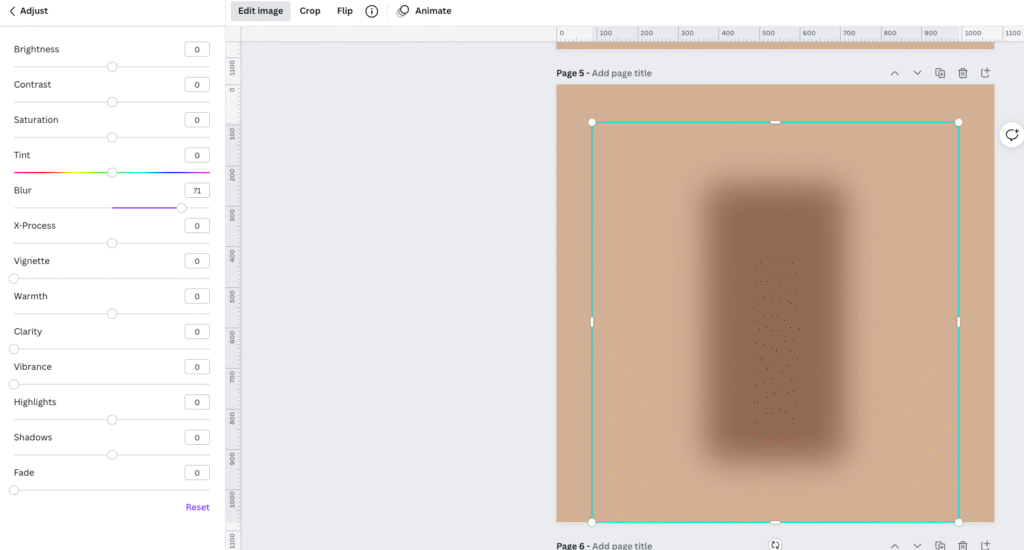
Canva Tip #74: Magic Blurs

Blurring backgrounds helps make text easier to read. It also grabs the viewer’s attention. This trick creates a nice contrast in designs.

It focuses on important parts of graphic art, photos, and websites.

To blur a background well, use editing software or online tools that have blur options. Change the strength of the blur to find the right mix of clarity and focus on front items. Using blur smartly leads viewers to key details. This improves how your work is seen and understood.

For your next project, think about using blur effects. They can create a lively design that shows what is most important.

Conclusion

These 74 Canva tips cover everything from the basics of good design to the more advanced features that most people never discover. The more of these you put into practice, the faster and better your designs will get.

Start with the ones that feel most useful to you right now – whether that is setting up your brand kit, learning keyboard shortcuts or simply limiting yourself to two fonts. Small changes like these add up quickly.

In 2026, Canva keeps adding new features, so it is worth checking back regularly to see what is new. At Designers Choice, we keep our guides updated so you always have the latest tips at your fingertips.

Categories
Canva

How to Landscape in Canva: A Step-by-Step Guide

Switching your Canva design to landscape mode is one of the most common things designers need to do – and one of the easiest to get wrong if you don’t know where to look.

Landscape orientation is wider than it is tall, making it perfect for website banners, presentation slides, YouTube thumbnails, social media covers and printed posters. In 2026, Canva gives you more than one way to do this – whether you are on the free plan or using Canva Pro.

In this guide, we will walk you through every method step by step. You will learn how to switch an existing design to landscape, how to set custom dimensions and how to adjust your layout after resizing – all without needing any design experience.

Understanding Landscape Orientation In Canva

Understanding Landscape Orientation In Canva

What is Landscape Orientation?

Landscape orientation means your design is wider than it is tall. Think of it like a TV screen or a picture of mountains. The width is greater than the height. In simple terms, when we talk about landscape orientation, we mean the page is set up so it’s wider than it is tall.

For example, if a design is 1000 pixels by 800 pixels, it’s in landscape format because 1000 (width) is bigger than 800 (height).

Benefits of Using Landscape Mode

Using landscape mode has many good points:

  • It gives you more space from left to right
  • It works better for designs that will be seen on computer screens
  • It’s great for website headers, banners, or wide photos
  • Many social media covers use landscape formats

When you pick the right orientation for your project, it makes your design look better and work better for what you need.

How To Landscape In Canva?

How To Landscape In Canva?

Let’s go through the steps to make your design landscape in Canva:

Step 1: Open Your Design

First, log into your Canva account. You can either open an existing design that you want to change, or start a new one. If you’re starting fresh and know you want a landscape format, you can pick a template that’s already in landscape mode or set custom dimensions from the start.

Step 2: Go To The Resize Tool

Once your design is open, look at the top menu. You’ll see a button called “Resize” in the upper left corner. Click on this button to open the resize options.

Note: The full resize feature is only for Canva Pro users. If you don’t have Canva Pro, don’t worry – I’ll show you a free way to do this later.

Step 3: Choose Your Landscape Format and New Dimensions

After clicking “Resize,” you’ll see options to change your design’s size. You can:

  • Pick from preset sizes (like A4 Landscape or 1920 x 1080 pixels)
  • Enter custom dimensions in the “Custom size” fields

For landscape format, make sure the width (first number) is bigger than the height (second number). For example, if your design is currently 800 x 1000 pixels, you could make it 1000 x 800 pixels to switch to landscape.

If you want to keep the same ratio but just flip the orientation, simply swap the width and height numbers.

Step 4: Select Resize Options

After setting your new dimensions, Canva will show you a preview of how your design will look. You’ll have two options:

  • “Copy & Resize” – This makes a new design with the new dimensions while keeping your original design unchanged. Your original design will stay open in its original tab, and the new resized design will open in a new tab.
  • “Resize This Design” – This changes your current design to the new dimensions. This option doesn’t make a copy, so your original design will be replaced.

Choose the option that works best for you.

Step 5: Adjust and Finalize Your Design

After resizing, you’ll need to check how your design elements look in the new layout. You might need to move text, images, or other elements to make them fit better in the landscape format.

While adjusting, you may need to learn how to replace an image in Canva or even how to flip an image in Canva to get the perfect fit.

Sometimes, you might even want to know how to cut out an image in Canva to create a more dynamic layout. Resize and reposition things until your design looks good in its new orientation.

How To Make A Document Landscape In Canva?

How To Make A Document Landscape In Canva?

Making a document landscape in Canva follows the same steps as changing any design to landscape:

  1. Open your document in Canva
  2. Click the “Resize” button at the top
  3. Enter new dimensions where the width is larger than the height
  4. Click “Continue
  5. Adjust your layout as needed

For documents like flyers, brochures, or reports, remember that landscape format gives you more horizontal space but less vertical space.

This means you might want to organize your text in more columns or learn how to indent in Canva to make good use of the space..

Converting Existing Designs To Landscape

Converting Existing Designs To Landscape

Using The Resize Or Magic Switch Feature

The easiest way to change an existing design to landscape is with Canva’s “Magic Switch” feature (also called “Resize”). This feature lets you change the orientation with just a few clicks:

  • Open your design in Canva
  • Click “Resize & Magic Switch” at the top of the screen
  • Select “Custom size” from the menu
  • Click on either the width or height field
  • Choose “Landscape” from the quick options that appear
  • Click “Continue” and then select “Copy & resize” or “Resize this design

This method is fast and easy, but it requires Canva Pro.

If you’re wondering Is Canva Pro is worth it, features like this can be a major time-saver. You can learn more about how much Canva Pro costs or even find out how to get Canva Pro for free to test these features.

Manual Dimension Adjustment Process

If you’re using the free version of Canva, you can still make landscape designs by following these steps:

  1. Create a new design with landscape dimensions
    • From Canva’s home page, click “Create a design
    • Click “Custom size” and enter dimensions where the width is larger than the height
    • Click “Create new design
  2. Copy elements from your original design
    • Open your original design in a new tab
    • Select all elements (click on each one while holding Shift)
    • Copy them (Ctrl+C or Cmd+C)
    • Go to your new landscape design
    • Paste the elements (Ctrl+V or Cmd+V)
  3. Adjust the elements to fit the new layout

This method takes more time than using the Magic Switch feature, but it works with the free version of Canva.

Landscape Design For Special Projects

Landscape Design For Special Projects

Creating Landscape Posters

Landscape posters are great for showing wide scenes or displaying lots of information side by side.

To create a landscape poster in Canva:

  1. Start a new design with landscape dimensions (for a standard poster, try 24″ × 18″).
  2. Choose a template or start from scratch.
  3. Add your images, text, and other elements. For more advanced designs, you might want to learn how to slice in Canva for cool effects.
  4. Use the horizontal space to create a flowing layout from left to right.

Remember that people read from left to right, so put the most important information on the left side of your poster.

Designing Landscape Headers For Websites

Website headers need to be landscape because websites are usually wider than they are tall.

Here’s how to make a website header in Canva:

  1. Create a new design with dimensions around 1920 × 300 pixels (a common header size).
  2. Add your logo, navigation elements, and any featured text or images.
  3. Make sure the text is easy to read. A great way to do this is to learn how to highlight text in Canva.
  4. Check how your header looks at different screen sizes.

A good website header should be clean, show your brand clearly, and work well on both big and small screens.

Adjusting Elements After Orientation Change

Adjusting Elements After Orientation Change

Repositioning Design Elements

When you change from portrait (tall) to landscape (wide), your design elements might not be in the right place anymore.

Here’s how to fix that:

  1. Check the alignment of all elements – Are they centered, left-aligned, or right-aligned as they should be?
  2. Resize elements if needed – Some images or text boxes might need to be larger or smaller in the new layout. You may want to how to fade an image on Canva to blend it into the background.
  3. Move elements to follow a logical flow – In landscape format, layouts often work better when elements flow from left to right.
  4. Check spacing between elements – Make sure there’s enough space between all parts of your design.

Take your time with this step – proper layout is key to making your design look good.

Optimizing Visual Flow For Landscape Format

Visual flow means the way people’s eyes move through your design. In landscape format, people usually look from left to right.

Here’s how to make this work for your design:

  1. Put the most important information on the left side.
  2. Use elements like lines, arrows, or colors to guide the eye across the design. You can also play with text effects by learning how to curve text in Canva or how to outline text in Canva.
  3. Create a balance between the left and right sides of your design.
  4. Use the extra horizontal space for elements that work well side by side, like before-and-after images.

A good landscape design uses the width to tell a visual story from beginning to end.

Pro Tips For Landscape Designs In Canva

Pro Tips For Landscape Designs In Canva

Working With Free Vs. Pro Features

Canva’s free version has some limits, but you can still create great landscape designs. One common question is, “Can you upload fonts to Canva?” The answer is yes, but it’s a Pro feature.

With Canva Pro:

  • Use the Magic Switch/Resize feature to quickly change orientation
  • Resize multiple designs at once (up to 50 designs)
  • Access more templates and elements that work well in landscape mode

With Free Canva:

  • Create new designs with custom landscape dimensions
  • Copy and paste elements between designs
  • Use the available free templates and adjust them for landscape format

If you work with landscape designs often, Canva Pro’s resize feature can save you a lot of time. Consider the free trial to see if it helps you.

Saving and Exporting Landscape Designs

After creating your landscape design, you’ll want to save and export it properly:

  1. Save your design by clicking “File” then “Save” (Canva also saves automatically)
  2. To export, click “Share” then “Download
  3. Choose the right file format:
  4. Click “Download

For website headers or social media images, PNG is usually best.

For print materials like posters, PDF is better because it keeps the image quality when printed.

FAQ’s:

How To Change Portrait to Landscape In Canva?

To change a portrait (tall) design to landscape (wide) in Canva:

  • Click the “Resize” button
  • Enter new dimensions where the width is larger than the height (or swap your current dimensions)
  • Click “Continue” then choose “Copy & resize” or “Resize this design
  • Adjust your elements to fit the new layout

How To Make A Document Horizontal In Canva?

Making a document horizontal (landscape) in Canva is the same as changing to landscape orientation:

  1. Click “Resize
  2. Enter dimensions where the width is greater than the height
  3. Click “Continue
  4. Choose whether to create a new copy or resize the current design
  5. Adjust your layout as needed

How Does Resizing Affect The Layout and Elements In My Design?

When you resize a design:

  • Elements stay in the same relative positions
  • Some elements might look too big or small in the new format
  • Text might wrap differently
  • You’ll need to check and adjust the positions of all elements
  • Background images might be cropped or stretched

Always review your design after resizing to make sure everything looks right.

Can I Use The Resize Feature Without Canva Pro?

The built-in resize feature requires Canva Pro, Canva Teams, Canva for Education, or Canva for Nonprofits.

Without these, you can:

  1. Create a new design with landscape dimensions
  2. Copy and paste elements from your original design
  3. Adjust the layout

This takes more time but works with the free version of Canva.

Is There A Way To Save Custom Landscape Dimensions For Future Designs In Canva?

Yes! When you create a design with custom dimensions:

  1. Make your design
  2. Click “File” then “Save as template
  3. Give your template a name
  4. Click “Save

Now you can find this template with your saved dimensions whenever you start a new design.

Conclusion

Changing your designs to landscape in Canva opens up new possibilities for your projects.

Whether you’re making website banners, presentation slides, or social media graphics, landscape format can give your designs the space they need.

Remember that you can change to landscape format in Canva by using the Resize tool if you have Canva Pro, or by creating a new design with landscape dimensions if you’re using the free version.

After changing the orientation, take time to adjust your elements to make the best use of the landscape format.

With this guide, you now know how to landscape in Canva and how to make your landscape designs look great. Keep practicing, and soon changing orientations will be a simple part of your design process!

Categories
Canva

10 Top Audio To Text Converters Online – FREE AI Transcriptions

Typing out everything from a voice note, meeting, or podcast recording takes a lot of time. Audio to text converters solve this problem in minutes. These tools use AI to turn your spoken words into clean, ready-to-use text – with no manual effort.

In 2026, AI transcription tools have become faster and more accurate than ever. Whether you need to transcribe a Zoom meeting, a client interview, or a full podcast episode, there is a tool out there that fits your needs and budget. Many of them even offer free plans to get you started.

In this guide, we have listed the 10 best audio to text converters available right now. We cover what each tool does best, what formats it supports, and who it is best suited for – so you can pick the right one without wasting time.

What Is An Audio To Text Converter?

What Is An Audio To Text Converter?

An audio to text converter is a special tool. It can be software or a web app.

This tool changes spoken words in audio files into written text. It does this through automated transcription. These tools use smart speech recognition to analyze audio recordings. They then make text transcripts that can be easily edited, searched, and shared.

Modern audio transcription tools use artificial intelligence. This helps improve accuracy and recognize different speakers. They can also deal with background noise well. There are many options available. Some are free and have basic features.

Others are premium and offer high accuracy plus more features like translation. The best free audio to text converters usually have limits on minutes for transcription before they need payment.

However, they can still work well for occasional use. Professional tools provide stronger features for content creators, researchers, and businesses that need regular transcription services.

How Audio To Text Conversion Works?

How Audio To Text Conversion Works?

Audio-to-text conversion uses voice tech and AI to change spoken words into text.

The process starts when you upload an audio file. The system then breaks the file into smaller parts to study the sound patterns. AI transcription checks these patterns against many speech samples. It identifies phonemes, which are tiny sound units.

Then, it uses math models to guess the spoken words. Some advanced systems can tell different speakers apart. They can also remove background noise for better clarity. This tech is quickly improving and can reach up to 98% accuracy with clear audio.

However, accuracy may drop with low quality audio or strong accents, as well as hard words.

Top 10 Best Audio to Text Converters

Best Audio to Text Converters

Audio-to-text converters help users by making transcription easier and faster. They provide high accuracy for recordings and use advanced AI features.

Here are some of the best options available:

Sonix

Sonix

Sonix stands out as a powerful audio transcription tool that specializes in delivering high accuracy across multiple languages. This web app processes audio files quickly and supports automated translation features, making it ideal for international projects.

Sonix offers robust editing capabilities within its interface, allowing you to refine transcripts without switching platforms. The platform supports numerous file formats, including MP3, WAV, and various video files.

Sonix integrates well with other tools like Google Drive and offers team collaboration features that make it suitable for professional environments where multiple people need access to the same transcripts.

Notta

Notta

Notta is an AI-powered transcription tool that delivers impressive accuracy, even with technically dense terms.

The platform supports 58 transcription languages and offers bilingual transcription in 11 languages, making it versatile for global users. Notta integrates with popular calendar and video conferencing software, simplifying the workflow for business users.

This transcription service automatically identifies different speakers and adds timestamps, creating well-organized transcripts.

Notta’s AI features automatically highlight key points and generate summaries of meetings, saving users significant time when reviewing content. The platform supports multiple audio and video file formats such as WAV, MP3, AVI, MP4, and MOV.

Descript

Descript

Descript takes a unique approach by combining audio transcription with audio/video editing capabilities.

This all-in-one platform allows you to edit your audio by editing the text transcript, making it particularly valuable for podcast creators and video editors. The text transcription tool offers impressive accuracy and an intuitive interface.

With Descript, you can remove filler words automatically, collaborate with team members, and export in various formats.

The platform uses AI transcription to convert audio to text quickly while maintaining high accuracy levels, even with challenging audio recordings containing multiple speakers.

Maestra

Maestra

Maestra.ai delivers fast AI transcription with support for over 80 languages including German, English, Spanish, Italian, and Portuguese.

The platform features a built-in text editor for making quick corrections and supports various audio formats such as MP3, AAC, FLAC, M4A, and WAV. Users appreciate Maestra for its simple interface and custom dictionary feature, which allows you to add technical terms for improved accuracy.

The platform enables export in multiple formats, including Word (DOCX), PDF, TXT, SRT, and VTT, making it versatile for different use cases. Maestra offers a free trial with premium subscriptions starting at $5 per month.

Canva’s Transcribe Audio

Canva

Canva has expanded beyond design to offer audio transcription capabilities within its platform.

This integration makes it particularly useful for designers who already use Canva in their workflow. The transcribe audio feature allows you to convert spoken content directly within your design projects, streamlining the process of creating visual content with accompanying text.

The tool supports multiple languages and provides reasonable accuracy for clear recordings. While not as feature-rich as dedicated transcription services, Canva’s solution offers convenience for those already working within the Canva ecosystem.

Otter.ai

Otter

Otter.ai specializes in real-time transcription, making it excellent for meetings, interviews, and lectures. The platform offers live transcription during Zoom meetings and can identify different speakers automatically.

Otter’s mobile app allows you to record and transcribe on the go, syncing across devices for a seamless workflow.

The service provides AI-generated summaries, highlights, and automated action item extraction, saving users significant time after meetings. Otter also offers strong search capabilities, allowing you to find specific moments in long recordings quickly.

The platform’s voice recognition technology continues to improve, delivering increasingly accurate results.

Happy Scribe

Happy Scribe

Happy Scribe offers both automated AI transcription and human transcription services, giving users flexibility based on their accuracy needs.

The platform supports 45+ formats and converts audio recordings to text with impressive speed. Users can import files from Google Drive, YouTube, Dropbox, and other sources. This transcription tool provides approximately 85% accuracy compared to other apps and allows users to get transcripts of podcasts and class lectures.

Happy Scribe enables export in various formats including plain text, Microsoft Word, PDF, and subtitle formats like SRT. The basic plan starts at $18 per month and is designed for individual users.

Amberscript

Amberscript

Amberscript combines automated transcription with human editing options for maximum accuracy.

The platform is particularly popular in Europe and offers strong support for European languages. Amberscript provides specialized services for subtitling and captioning, making it valuable for video content creators.

The platform features an intuitive text editor for refining transcripts and supports multiple export formats including subtitles. Amberscript integrates well with video platforms and offers enterprise solutions for organizations with high-volume transcription needs.

Rev

Rev

Rev offers both automated transcription and human transcription services, with the latter providing exceptional accuracy for critical content.

The platform is known for its quick turnaround times and straightforward pricing model. Rev’s automated service provides good accuracy for clear recordings, while the human service delivers near-perfect results.

The platform includes an editor for making corrections and supports various audio and video files. Rev also offers additional services like captioning, subtitling, and translation, making it a comprehensive solution for content creators and businesses.

Scribie

Scribie

Scribie differentiates itself by offering tiered transcription services based on accuracy needs and budget constraints.

The platform provides both automated AI transcription and various levels of human transcription services. Scribie’s automated option delivers quick results at a lower cost, while its human services offer exceptional accuracy with longer turnaround times.

The service includes a built-in editor for corrections and supports multiple file formats. Scribie is particularly useful for researchers and academics who need verbatim transcripts with high precision.

Key Features To Look For In Audio To Text Converters

Key Features To Look For In Audio To Text Converters

Accuracy and Language Support

Accuracy is very important when picking an audio-to-text converter.

The best tools can reach 95-99% accuracy with clear audio. It is good to test each option with your own recordings to see how well they work. You should also look for services that can understand specific terms, accents, and different ways of speaking.

Language support can be different; top converters like Notta can handle up to 58 languages.

This includes English, German, Spanish, French, and Hindi. If you use many languages, make sure your tool keeps good accuracy in all the languages you need.

File Format Compatibility

Good audio to text tools work with many file types. They can change recordings from formats like MP3, WAV, and M4A. They also support FLAC and video files such as MP4, MOV, and AVI.

This means you do not have to change the files first. It is useful to see if the tool can take files directly from places like YouTube or Google Drive. This helps make your work faster. Some tools also let you record live in their apps for quick text changes.

Editing Capabilities

Strong editing tools help make transcripts better. Important features include editing text, knowing who speaks, adjusting time stamps, and fixing repeated words. Good interfaces show possible mistakes for fast checking.

Advanced editors have search and replace tools. They also have custom lists for special words and work with spelling and grammar checkers. These features can save a lot of time when improving a transcript, especially for long recordings.

Translation Features

Translation features improve your transcripts for audiences around the world. Top services give built-in translation between many languages. This lets you write in one language and get results in another. This is very helpful for creators and researchers who work globally.

The quality of automated translation can be different. It is smart to test this feature with sample text before using it for important tasks. Some services also provide human translation for better accuracy when needed.

Export Options

Versatile export choices make it easy to use transcripts in your work. You should pick converters that support formats like plain text, RTF, DOCX, PDF, and subtitles like SRT and VTT. The option to export with or without timestamps is important.

It also allows for speaker tags and paragraph breaks. This feature offers much-needed flexibility.

Some advanced services allow direct use with content management systems. They also work with video editors and teamwork tools. This saves time by removing the need for manual copying and formatting steps.

Benefits Of Using Audio To Text Converters

Benefits Of Using Audio To Text Converters

Time and Effort Savings

Transcribing one hour of clear audio by hand takes a skilled worker 4 to 5 hours. AI tools can do this in just minutes. This saves more than 95% of the time. With this ease, you can focus on understanding the content instead of typing it out.

The best tools also lessen mental effort by taking care of the hard parts of transcription. This helps you get more done with other tasks. For workers who deal with audio often, these time savings lead to big cost cuts.

Improved Content Accessibility

Text transcripts help make audio content easier to access. They are useful for people who cannot hear well. This feature helps you reach a larger audience. It also ensures you follow rules about accessibility.

Transcripts allow people to enjoy content in quiet places. Users can read in libraries, on public transport, or in quiet offices. They do not need to wear headphones. This flexibility improves how people engage with the content.

SEO Enhancement

Search engines cannot read audio content directly. However, they can read text transcripts.

Converting audio to text helps your content get found. This may increase organic traffic to your site. Transcripts filled with keywords can improve search rankings. They also allow for better internal links and anchor text use, which boosts SEO value.

Plus, longer user engagement with both audio and text shows quality to search engines. This helps improve your overall site ranking.

Content Repurposing Opportunities

Transcripts are very important for making different types of content. You can use one transcript to make blog posts. It can help create social media posts, email newsletters, ebooks, and course materials.

This way, you get the most from your original recording. Transcripts also allow for quick changes and updates. Editing text is faster than re-recording audio. This makes it easy to adjust your message or include new ideas.

Search and Organization Benefits

Text transcripts help you find audio content easily. They let you locate specific facts without listening to every recording. This is very helpful for reference works, interviews, and research where exact details matter. Transcripts also make it easier to organize content. You can use tags and categories to improve how you manage large audio files. This makes your audio collection more valuable over time.

How To Convert Audio To Text: Step-By-Step Guide

How To Convert Audio To Text?

Converting audio to text is easy if you follow some simple steps.

Uploading Your Audio File

Start by picking a transcription service. You may need to create an account. Services like Notta make it easy. You can upload your audio file by clicking ‘Select File.’ You can also drag and drop the file. Make sure your file is in a supported format.

These formats include MP3, WAV, M4A, or video files like MP4. Your audio should have clear sound with little background noise. Look for any size limits before uploading. Many tools let you import files directly from cloud storage like Google Drive or from sites like YouTube.

Selecting Language and Settings

Choose the main language for your recording from the options given. Some services, like Notta, support many languages. Pick the one that fits best. If your audio has more than one language, check if it can handle bilingual notes.

Set up features like speaker identification to tell voices apart. Some services allow you to add special industry terms or upload a custom word list. This can improve accuracy for specific words. Change quality settings based on your needs and budget.

Processing and Transcription

After you upload your audio file and set the options, you can start the transcription. The system will use AI and speech tools to change speech into text. The time it takes to process depends on how long the recording is and which service you use.

However, most tools work faster than real-time speaking. Some services give updates as it works.

When done, tools like Notta will send the results to your email. They may also show them in your account dashboard. Check the first version of the text for quality before making changes.

Editing and Correcting The Transcript

Check the transcript for mistakes. Most transcription tools have built-in editors. These editors show issues for easy fixing. Pay close attention to tricky words, names, and numbers. They often have more mistakes. Use the search tool in the editor to find and fix repeated errors.

Take advantage of features like changing playback speed and synchronized audio/text highlighting. You can also use keyboard shortcuts to make editing easier. For long transcripts, split the work into smaller parts. This helps with accuracy and focus.

Exporting In Your Preferred Format

After you finish your transcript, export it in the format you want. Most services let you choose from plain text, Word files, PDFs, and subtitle types like SRT for videos. Pick the format that works best for you.

You can change export settings to add timestamps, speaker names, or breaks between paragraphs if needed. Some services also let you export directly to Google Docs or video editing apps. Save a copy in your account or download it for safety.

Common Use Cases For Audio to Text Converters

Common Use Cases For Audio to Text Converters

Podcasts and Interviews

Podcast makers use audio transcription to help those who can’t hear well. It also helps with SEO. Transcripts let listeners find specific details easily. They provide good reference material too. Turning transcripts into new content adds value to the original recording.

For news writers and researchers, transcribing interviews saves a lot of time. It gives clear records for quotes and study. The search feature of transcripts makes it easy to analyze themes. It also helps find key statements fast, acting as a backup for important interviews.

Meetings and Lectures

Meeting transcription helps to record talks, choices, and tasks. This is done without the need for manual notes. It lets people take part fully while keeping a record. The transcripts can be searched easily. This makes it simpler to follow up on certain points.

Lecture transcription gives students study materials. These help with audio or video recordings. They also make learning easier for those who have hearing issues or are not fluent in the language. Searchable transcripts allow for focused review of ideas or sections.

Content Creation

Content creators use transcription to change spoken thoughts into written words. This process is often quicker than writing from scratch.

This is especially true for those who speak more easily than they write. Transcripts act as a base for articles, blogs, and books. Video creators also use transcription for subtitles and captions. This makes their content easier to access and helps keep viewers engaged.

Furthermore, transcripts help in making video descriptions, show notes, and extra articles. These additions improve SEO. They allow viewers to look at content before watching the full videos.

Research and Education

Researchers use transcription to write down interviews, focus groups, and field notes. These written records are key for studying ideas. They also act as main sources for research.

Digital transcripts make it easier to sort themes and analyze data. Teachers depend on transcription to make learning materials easy for all students. This allows lessons to be changed into different languages. It also helps students go over material at their own speed.

Accessibility Compliance

Organizations use typing services to follow rules for access. These rules help people with hearing issues. This makes sure they can get information easily. Following these rules lowers the chances of legal problems. It also helps to reach more people.

Media firms create closed captions for their videos. This meets both legal needs and viewer likes.

Many people choose to watch with captions, no matter their hearing ability. Transcripts give another choice for those with slow internet. Some prefer reading text instead of streaming video.

FAQ’s:

What is Audio Transcription?

Audio transcription is the process of converting spoken words from an audio recording into written text. This applies to various audio sources like interviews, lectures, podcasts, and meetings, and can be performed manually by transcriptionists or automatically using speech recognition technology.

How Do I Convert Audio To Text Online?

To convert audio to text online, open a web browser and access an audio to text converter like Notta or Media.io. Upload your audio file, select the transcription language, and initiate the transcription process. Some services may require an email address to receive your transcript. Within minutes, you’ll receive your text transcription that can be downloaded or edited online.

Can I Convert Audio To text For Free?

Yes, you can convert audio to text for free using services like Media.io, Restream, or the free tier of Notta.

However, free services typically have limitations such as restricted transcription minutes, limited features, or watermarks. Notta’s free tier, for example, only transcribes the first three minutes of a conversation, while other services might offer 5-10 minutes of free transcription monthly.

How Do I Transcribe Audio To Text Automatically For Free?

To transcribe audio to text automatically for free, visit an online transcriber like Media.io or Restream. Upload your audio file from your local storage, select the language and settings, and start the automatic transcription process. Once complete, you can preview the text and export it in formats like TXT or SRT. Free services typically limit the duration or number of transcriptions you can perform.

What File Formats Are Supported For Audio To Text Conversion?

Audio to text converters support numerous file formats. Common audio formats include MP3, WAV, M4A, FLAC, AAC, AIFF, and OGG. Many services also accept video files like MP4, MOV, AVI, WMV, and RMVB.

Top converters like Notta support a wide range of formats, including WAV, MP3, M4A, AVI, RMVB, FLV, MP4, and MOV.

How Long Does It Take To Transcribe An Hour-Long Audio Manually?

Manually transcribing an hour-long audio recording typically takes 4-5 hours for an experienced transcriptionist.

This ratio varies based on audio quality, number of speakers, speech clarity, and technical terminology. In contrast, AI transcription tools can complete the same task in minutes, representing a significant time savings.

What’s The Difference Between Automatic and Manual Transcription?

Automatic transcription uses AI and speech tools. It changes audio to text without needing people. This method is quick and cheaper. However, it can have accuracy problems. These issues arise with bad audio quality or strong accents.

Manual transcription is done by people. Human workers listen to the audio and write down what they hear. This method gives better accuracy. It also handles many speakers and tricky words well. But, it costs much more and takes longer to finish.

How Accurate Are Audio To Text Converters?

The accuracy of audio to text converters typically ranges from 80% to 99%, depending on audio quality, speech clarity, and the sophistication of the AI system. Premium services like Notta can deliver up to 98.86% accuracy for high-quality audio recordings.

Factors affecting accuracy include background noise, accents, technical terminology, and speaker overlap.

What Languages Are Supported By Audio To Text Converters?

Modern audio to text converters support numerous languages. Notta supports 58 transcription languages including English, German, Spanish, French, Hindi, and many more. Restream supports 15 languages including Dutch, English, French, German, Hindi, Indonesian, Italian, Japanese, Korean, Mandarin, Portuguese, Spanish, Swedish, Turkish and Ukrainian. Maestra.ai offers transcription in over 80 languages.

Can ChatGPT Transcribe Audio?

Currently, ChatGPT itself cannot directly transcribe audio files. ChatGPT is a text-based AI that processes and generates text content but lacks native audio processing capabilities.

For audio transcription, you need to use dedicated audio to text converters like the ones covered in this article. However, ChatGPT can help analyze, summarize, or refine transcripts after they’ve been created using a transcription tool.

Can I Edit My Transcript After Conversion?

Yes, most audio to text converters provide editing capabilities within their platforms. After transcription, you can correct any inaccuracies, add speaker labels, adjust timestamps, and format the text as needed.

Advanced editors include features like search and replace, custom dictionaries, and collaborative editing. Once edited, you can export the final transcript in your preferred format for further use.

Conclusion

Audio to text converters have made transcription simple, fast and affordable for everyone. Whether you are a content creator, a student, a researcher, or a business owner, there is a tool on this list that will work for you.

If you are just starting out, try a free plan first – tools like Notta and Otter.ai let you test things out without spending a penny. If you need more accuracy or advanced features, paid plans from tools like Sonix, Descript, or Rev are well worth it.

The key is to pick the tool that fits how you actually work. Think about the languages you use, the file formats you record in and how often you need transcriptions done.

At Designers Choice, we keep testing and updating our recommendations as new tools come out. Bookmark this page and check back for the latest updates.

Categories
Canva

How To Fade An Image On Canva? Simple Tricks For Better Designs

Want to make your Canva designs look more professional? Fading images is one of the easiest ways to do it. It helps your photos blend smoothly with backgrounds, makes text easier to read and gives your whole design a clean, polished look.

In 2026, Canva gives you several simple ways to create a fade effect – from the built-in transparency slider to free apps like Easy Reflections. Whether you are making a social media post, a presentation, or an invitation, these tools are easy to use and require zero design experience.

For more advanced effects, you can even combine image fading with other Canva tricks like slicing to create unique, eye-catching compositions.

Just follow the steps in this guide and you will be fading images like a pro in no time!

Understanding Image Transparency in Canva

Understanding Image Transparency in Canva

What is Transparency in Canva?

Transparency in Canva means making something see-through.

When you change the transparency of an image or shape, you can see through it to what’s behind it. The transparency tool in Canva lets you decide how see-through something is. You can make it a little bit see-through or almost fully see-through. This is different from learning how to cut out an image in Canva, which removes parts of the image entirely.

This is measured from 0% (you can’t see it at all) to 100% (you can see it fully).

Making parts of your image transparent is how you create a fade effect. The fade effect helps to blend images with the background color or with other pictures.

This makes your design look smooth instead of having hard edges.

Benefits of Image Fading

Fading your images has many good points:

  • It helps your text stand out when put on top of images. For even more emphasis, you can also learn how to highlight text in Canva.
  • It makes your design look smooth and clean.
  • It helps draw attention to the most important parts.
  • It creates a soft look that many people like.
  • It helps your images blend with your background color.

When you use the fade effect well, it makes your whole design look more put together. People who see it will focus on what’s important.

How to Fade an Image in Canva?

How to Fade an Image in Canva?

Method 1: Using the Transparency Tool

Using the transparency tool is the easiest way to fade an image in Canva. Here’s how to do it:

  1. Open your Canva project and add the image you want to fade. If you change your mind, it’s easy to learn how to replace an image in Canva.
  2. Click on the image to select it.
  3. Look at the top of your screen. You’ll see a toolbar with many options. From here, you can also discover how to flip an image in Canva.
  4. Find the “Transparency” option in this toolbar.
  5. Click on it to show a slider.
  6. Move the slider to adjust how see-through your image will be. Moving left makes it more see-through, moving right makes it less see-through.
  7. When you like how it looks, click anywhere else to apply the change.

This method is great because it makes the whole image fade the same amount. If you need only part of the image to fade, you’ll want to try one of the other methods.

Method 2: Using the Easy Reflections App

The Easy Reflections app in Canva is a special tool that can help you create fade effects. Here’s how to use it:

  1. In your Canva design, add the image you want to fade.
  2. Select the image by clicking on it.
  3. Click on “Apps” in the bottom left corner of your screen.
  4. Search for “Easy Reflections” in the search bar.
  5. Click on the Easy Reflections app to open it.
  6. Choose where you want the fade to be (top, bottom, left, or right).
  7. Set the opacity to 100% if you want to keep most of the image clear.
  8. Adjust the “offset” slider to control how much of the image fades.
  9. Click “Add to Design” when you’re happy with how it looks.
  10. You might need to move the faded image to line up perfectly with your original.

This method is great for making just one side or edge of your image fade out.

Method 3: Creating Transparent Gradients

Transparent gradients are another way to make your images fade. This method uses a see-through gradient that goes from solid to clear:

  1. Open your Canva project and add your image.
  2. Click on “Elements” on the left side.
  3. Search for “transparent gradient” in the search box.
  4. Find a gradient that goes from solid to transparent. You can also get creative and learn how to curve text in Canva to complement the gradient’s shape.
  5. Drag the gradient onto your image.
  6. Resize the gradient to cover your image.
  7. You can change the color of the gradient by clicking on it and using the color tool at the top. For more text effects, you might also want to know how to outline text in Canva.
  8. Move and rotate the gradient until you get the fade effect you want.

This method gives you more control over how and where your image fades.

Advanced Fading Techniques

For the more detailed Canva projects, you can make your designs better with advanced fading methods.

Creating Directional Fades

Directional fades let you fade your image from one side to another. Here’s how to make them:

  1. Add your image to Canva.
  2. Go to “Elements” and search for “gradient transparency“.
  3. Choose a gradient that fades in the direction you want (top to bottom, left to right, etc.).
  4. Place this gradient over your image.
  5. Resize it to fit your image.
  6. Change the color of the gradient to match your background color.

This creates a smooth fade in one direction. It’s great for making text more readable when placed on top of images. If you have a lot of text, you should also learn how to wrap text in Canva.

Fading Multiple Images

When you want to fade multiple images that are next to each other or overlapping:

  1. Add all your images to your design.
  2. Arrange them however you want. You can even learn how to landscape in Canva to change the orientation.
  3. For each image, use any of the methods we talked about earlier.
  4. Make sure the fade directions match where the images meet.
  5. Adjust the transparency until all images blend well together.

When fading multiple images, it helps to create a new layer with a solid color behind all the images. This way, all images fade into the same color.

Creating Fade-In Animations

You can also make your images appear to fade in when making videos or presentations in Canva:

  1. Add your image to a Canva presentation or video.
  2. Click on “Animate” at the top of the screen.
  3. Choose an animation type like “Fade” or “Fade in.” You could even explore how to put a timer in Canva for more dynamic presentations.
  4. Adjust the speed if needed.
  5. Preview your animation to make sure it looks right.

This creates a nice effect where your image slowly appears on the screen.

Layer Management For Complex Fades

For more complex designs with many layers and fades:

  1. Keep your original images on separate layers.
  2. Make copies of images before applying fades.
  3. Use groups to keep related items together.
  4. Use the “Position” tools (forward/backward) to control which faded images appear on top of others.
  5. Save versions of your work as you go so you can go back if needed.

Good layer management makes it easier to create complex fade effects without getting confused.

Tips For Professional Image Fading

Tips For Professional Image Fading on canva

Choosing The Right Fade For Your Design

Not all fades work for all designs. Here are tips for choosing the right fade:

  1. For text over images: Fade the image where the text will go. Learning how to add shadow in Canva can also make your text pop.
  2. For a dreamy look: Use a soft, all-over fade with higher transparency.
  3. For focus on one part: Fade the less important parts more.
  4. For blending with colored backgrounds: Match the gradient color to your background color.

The best fade depends on what you want people to notice first in your design.

Maintaining Visual Hierarchy

Visual hierarchy means making sure people look at the most important things first. When using fade effects:

  1. Fade less important parts of images more.
  2. Keep important parts clear and bright.
  3. Use fading to make text stand out better. You can also learn how to flip text in Canva for a unique look.
  4. Don’t fade everything the same amount, or people won’t know where to look.

Good fading helps guide the viewer’s eyes to what matters most.

Common Mistakes To Avoid

Here are some mistakes people often make when fading images:

  • Making the whole image too faint so it’s hard to see.
  • Fading in the wrong direction so text is hard to read.
  • Using fade effects that don’t match the rest of the design.
  • Not saving the original image before applying fades.
  • Using too many different fade styles in one design. Another common issue is typos; it’s useful to know, Does Canva have spell check?

Avoiding these mistakes will help your designs look better.

Examples of Effective Image Fading

Let’s look at some ways faded images work well:

  • A product photo that fades out at the bottom with text in the faded area. If you’re showcasing products, you might also want to learn how to create a lookbook in Canva.
  • A background image fades to be less bright so text shows up better.
  • Two images side by side that fade where they meet, making them blend.
  • A profile picture with edges that fade into the background.
  • A collection of photos that all fade to the same background color.

These examples show how fading can make designs look better when used well.

FAQ’s:

Can I Adjust the Fade Effect After Applying It?

Yes, you can change the fade effect after applying it. If you used the transparency slider, just select the image again and adjust the slider. If you used a gradient or the Easy Reflections app, you can select those elements and change their settings. It’s always good to keep a copy of your original image just in case.

Does the Easy Reflections App Work With All Image Types in Canva?

The Easy Reflections app works with most image types in Canva, including JPG and PNG files. However, it works best with images that have had their backgrounds removed. If you don’t know how, you can learn how to cut out an image in Canva. If your image has a transparent background already, the app will create cleaner fade effects.

Can I Use The Fade Effect With Transparent PNG Images?

Yes, you can apply fade effects to PNG images with transparent backgrounds.

In fact, these often work best because the transparency in the PNG lets the fade blend more naturally with your background. When using the transparency tool or gradients with a PNG, only the visible parts of the image will fade.

Is The Easy Reflections App Available On The Free Version Of Canva?

Yes, the Easy Reflections app is available to use in the free version of Canva. You don’t need Canva Pro to access this tool. Just go to the Apps section and search for “Easy Reflections” to find and use it in your designs.

Can I Save A Custom Fade Setting To Use Later In Canva?

Canva doesn’t let you save custom fade settings by themselves, but you can save entire designs as templates.

If you create a fade effect you like, save that design as a template.

For those looking to monetize their creations, it’s useful to learn how to sell Canva templates on Etsy. You might also wonder, “Can I sell Canva designs on Etsy?”, and The platform provides clear guidelines for this.

When sharing your templates, knowing how to add a clickable link in Canva PDF is also a valuable skill.

Then, when you want to use the same fade effect again, open the template and replace the image while keeping the fade settings.

Conclusion

Fading images in Canva is a simple way to make your designs look better. You’ve now learned several methods to create fade effects, from using the basic transparency tool to more complex techniques with apps and gradients. It’s also helpful to know if Canva images are copyright-free when selecting your visuals.

Each method gives you different options for how your images fade. You can even expand your design skills by exploring whether you can upload fonts to Canva to further personalize your work.

Good fading is about balance. It should not be too much or too little. You should practice with these tools. This will help you find what works best for your designs. Try fading just one edge of an image. You can also create a soft blur effect by using transparency. To add more professional text formatting, you can also learn how to indent in Canva.

With the skills you’ve learned, you can now make text more readable over images, blend photos with your background color, and create designs that look smooth and professional. The best way to get better is to try different fade effects and see which ones you like best.

Keep these tips in mind as you work on your next Canva project, and your designs will stand out with beautiful, smooth image fades.

Categories
Canva Fonts

Top 15 Irish Fonts Which Bring Ireland’s Art To Your Designs

Irish fonts are a great way to make your designs look special. They come from Ireland’s long history of art and writing – think Celtic knots, old Gaelic scripts and beautiful ancient books like the Book of Kells. No regular font can give your work that same feeling.

In 2026, Irish and Celtic fonts are more popular than ever. Designers are using them for logos, wedding cards, book covers, brand designs and social media posts – not just for St. Patrick’s Day. If you want your design to feel truly Irish, picking the right font is the first step.

At Designers Choice, we went through Canva’s full font library and picked the 15 best Irish fonts available right now. Whether you’re making a St. Patrick’s Day poster, designing a logo or creating something that celebrates Irish culture, this list will help you find the perfect font quickly and easily.

What Are Irish Fonts?

What Are Irish Fonts?

Irish fonts are typefaces that come from Ireland’s writing history.

They’re based on old styles of writing that Irish monks and scholars used hundreds of years ago. These fonts have special looks that remind us of Celtic art, ancient manuscripts like the Book of Kells, and the unique writing styles from medieval Ireland.

Most Irish fonts fall into a few main groups: Celtic fonts with fancy knot designs, Gaelic script fonts that were used in Ireland for many years, Uncial fonts with round letter shapes, and newer fonts that mix old Irish styles with modern looks.

What makes a font “Irish” isn’t just where it comes from, but how it looks. True Irish fonts have special curves, fancy decorations, and unique letter shapes that connect them to Ireland’s artistic past.

They often show the same kinds of designs you’d see in old Irish art, with twisting patterns and beautiful details.

15 Best Irish Fonts On Canva For Authentic Celtic Designs

Best Irish Fonts On Canva For Authentic Celtic Designs

Canva offers many great Irish fonts that bring Celtic flair to your designs. Here are 15 top choices that work well for many projects:

Vast Shadow

Vast Shadow

Vast Shadow is a font with thick, strong letters and a big shadow behind each one. The shadow makes the words look important, almost like a headline in a newspaper. This font is perfect for creating posters, logos, or invitations that need a touch of elegance and authenticity.

Vast Shadow can remind people of vintage Irish pub signage or old book covers from Ireland. It pairs well with decorative elements like Celtic knots or other Celtic fonts.

This font is also great for St. Patrick’s Day projects or anything related to Irish culture. Its boldness helps your words get noticed.

Londrina Shadow

Londrina Shadow

Londrina Shadow is a playful font with chunky, rounded letters and a shadow that adds a 3D effect.

This makes your text look fun and friendly, which is perfect for greeting cards, social media graphics, or book covers for kids. The style is modern but can be used with celtic art or celtic culture themes for an Irish touch.

Londrina Shadow is easy to read and brings a sense of joy to your designs. It’s also great for making invitations or certificates that need a little extra flair. The shadow makes your words stand out on any background.

Quebab Shadow

Quebab Shadow

Quebab Shadow is a sans-serif font with thick letters and a strong shadow that gives it a bold, modern look.

This font is great for logos, certificates, and signage where you want your text to be clear and easy to read.

The shadow effect adds depth, making your words pop out, which is perfect for commercial use or social media graphics.

Quebab Shadow can be paired with celtic fonts or decorative elements to add a touch of sophistication and authenticity.

It works well for both modern and vintage designs, especially if you want to show off Irish culture.

Bungee Shade

Bungee Shade

Bungee Shade is a fun, energetic font with big letters and a deep shadow that makes your text look like it’s jumping off the page.

This font is perfect for event posters, St. Patrick’s Day graphics, or signage that needs to grab attention. The boldness and decorative elements give your design a modern look, but you can also use it with Celtic knots or other Irish symbols for authenticity.

Bungee Shade is easy to read and adds a touch of flair to any project. It’s also great for greeting cards and book covers that need to stand out.

Intro Rust Base Shade

Intro Rust Base Shade

Intro Rust Base Shade is a font with a rough, vintage feel and a shadow that adds a 3D effect.

The letters look a little worn, like old Irish pub signs or vintage book covers. This font is perfect for projects that want to show cultural significance or a connection to Celtic culture. Use it for logos, certificates, or invitations that need a touch of authenticity and boldness.

The shadow makes your text pop, while the rustic style adds sophistication. It works well for both modern and old-fashioned designs.

Rig Solid Bold Halftone

Rig Solid Bold Halftone

Rig Solid Bold Halftone is a thick, bold font with a dotted shadow that gives it a cool, textured look.

This makes your text look modern and stylish, perfect for social media graphics, posters, and signage. The halftone shadow adds a decorative element, making your words stand out with flair.

Rig Solid Bold Halftone can be used for book covers, certificates, or any project that needs a touch of sophistication and boldness.

It pairs well with Celtic fonts or Celtic art for an Irish vibe. The font is easy to read and great for commercial use.

Rig Solid Medium Fill

Rig Solid Medium Fill

Rig Solid Medium Fill is a strong, solid font with medium-thick letters and a subtle shadow for depth.

The clean lines make it easy to read, which is great for logos, invitations, or certificates.

This font adds a touch of elegance and modern look to your designs, but you can also use it with Celtic decorative elements for authenticity.

Rig Solid Medium Fill is perfect for book covers, signage, or social media graphics that need to stand out. The shadow effect gives your words a 3D feel, adding flair to any project.

Rampart One

Rampart One

Rampart One is a bold font with sturdy letters and a shadow that makes your words look strong and important. This font is perfect for certificates, signage, or logos that need to show strength and cultural pride.

Rampart One can remind people of Irish castles or ancient manuscripts, making it great for book covers or projects about Irish culture.

The shadow adds depth and helps your text stand out on any background. It’s also good for social media graphics and greeting cards that need a touch of sophistication and authenticity.

Chromium One

Chromium One

Chromium One is a modern font with shiny-looking letters and a shadow that adds a 3D effect. The style is sleek and easy to read, making it great for social media graphics, event posters, or book covers.

Chromium One adds a touch of sophistication and flair to your designs, while the shadow makes your words pop out. You can use this font with celtic art or decorative elements for an Irish look.

It’s also good for logos, certificates, and signage that need a modern touch with a bit of boldness.

Agnets

Agnets

Agnets is a modern, bold font with a unique style that mixes decorative elements and a modern look.

Its letters have sharp, artistic shapes with intricate details, making it stand out in logos, social media graphics, or signage.

Though not a traditional Irish font, Agnets adds boldness and flair to designs, especially for projects needing a touch of sophistication.

It works well for commercial use, like branding or posters, thanks to its eye-catching letterforms.

While it doesn’t include Celtic knots or Gaelic script, Agnets brings a creative, modern twist to typography, perfect for making your work look fresh and stylish.

Stenciliqo Extruded

Stenciliqo Extruded

Stenciliqo Extruded is a stencil-style font with thick letters and a strong 3D shadow. The letters look like they were cut out and lifted off the page, which is perfect for signage, certificates, and logos.

This font adds a touch of celtic art and boldness to any project, making it great for book covers or greeting cards with an Irish theme. The shadow effect helps your words stand out and gives your design a modern look.

Stenciliqo Extruded is also easy to read and works well for commercial use.

Krisper Wireframe

Krisper Wireframe

Krisper Wireframe is a creative font with letters that look like they are made from thin wires, with a shadow for extra depth.

This gives your text a modern and unique look, perfect for book covers, greeting cards, and social media graphics.

Krisper Wireframe adds a touch of sophistication and flair to your designs. You can use it with celtic knots or decorative elements for an Irish feel. The font is easy to read and brings a sense of elegance and authenticity to any project.

Canter 3d

Canter 3d

Canter 3D is a tall, thin font with a 3D shadow that makes your text look stylish and modern. The clean lines and shadow effect add a touch of sophistication and celtic culture to your designs.

Canter 3D is great for event posters, signage, and certificates that need to stand out. The font is easy to read and works well with decorative elements like celtic knots or celtic art. Use it for book covers, logos, or greeting cards that need a modern look with a bit of Irish flair.

Charu Chandan Unicode 3d

Charu Chandan Unicode 3d

Charu Chandan Unicode 3D is a font with bold, rounded letters and a strong 3D shadow. The style is playful and easy to read, making it great for social media graphics, book covers, and greeting cards.

The shadow effect gives your words a sense of depth and makes your design feel modern and authentic. Charu Chandan Unicode 3D can be paired with Celtic fonts or decorative elements for an Irish touch.

It’s also good for certificates, signage, and commercial use.

UKIJ Kawak 3D

UKIJ Kawak 3D

UKIJ Kawak 3D is a fun font with thick letters and a deep 3D shadow that makes your text stand out.

This font is perfect for posters, logos, and signage where you want to grab attention. The style brings a touch of Celtic flair and boldness, making your designs pop with a modern look.

UKIJ Kawak 3D is easy to read and works well for book covers, greeting cards, and social media graphics. You can use it with celtic art or decorative elements for extra authenticity and sophistication.

These fonts all use shadows and 3D effects to make your words pop, adding depth, flair, and a touch of sophistication to any project.

They are great for Irish-themed designs, Celtic culture, and anything that needs to stand out and be noticed!

Types of Irish Fonts

Types of Irish Fonts

Many types of Irish fonts show the rich culture and art of Ireland.

  1. Celtic Fonts: Celtic fonts show off the beautiful art style of ancient Celtic culture. They often have fancy knot designs and curved lines that twist and turn. These fonts look like the art you might see in old Irish books or stone carvings. They’re perfect for projects that need to feel magical or ancient. Fonts like Enchant and Celtoria belong in this group.
  2. Gaelic Script Fonts: Gaelic script fonts come from the old writing system used in Ireland for hundreds of years. This type of writing was used in Ireland from the 16th century until about 100 years ago. Gaelic fonts have some special letter shapes that look different from regular letters we use today. TF-Gaelic and Old Norse are good examples of this style.
  3. Uncial Fonts: Uncial fonts have round, curved letters that look like they were written with a broad pen tip. Irish monks used this style when writing religious books in medieval times. These fonts look fancy but are still easy to read. Piera and Agnets show the uncial style well.
  4. Modern Irish-Inspired Fonts: These newer fonts take ideas from traditional Irish writing but update them for today’s designs. They keep some Celtic or Gaelic features but make them work better for modern projects. They often have better readability while still looking Irish. Fonts like She Dance and Ring of Kerry mix old Irish style with new design ideas.

Characteristics of Irish Fonts

Characteristics of Irish Fonts

Distinctive Design Elements

Irish fonts stand out because of their special designs inspired by Celtic culture. They often include Celtic knots-twisty patterns that look like braided ropes-woven into the letters.

Many letters have decorative elements at the ends, like small curls or dots, giving them a fancy look. Some letters connect, almost like they’re holding hands, which makes the text flow smoothly.

The shapes are often round and curvy, similar to handwriting, and some letters look different from regular alphabets, like a “d” with a loop or a “g” with a tail. These features help Irish fonts feel tied to Ireland’s artistic history and Celtic art.

Insular Script Features

Many Irish fonts are based on Insular script, a writing style from 600 AD used by Irish monks. This script has triangle-shaped tops on tall letters (like “b” or “h”) and wide, rounded parts in letters like “b,” “d,” or “q.”

When monks wrote, they’d start a line with big letters that slowly got smaller, creating a “fading” effect. They also added dots or marks to change how letters sounded. The letters look like they were written with a flat-tipped pen, giving them thick and thin lines.

These features come from old manuscripts like the Book of Kells, written on animal skin pages.

Typography and Letter Forms

Irish fonts have unique letter shapes that make them different from regular fonts. Letters are often wider and rounder, making them look friendly and artistic. Capital letters might have extra swirls or decorations, like a crown on a king.

The spacing between letters is sometimes wider, giving the text room to breathe. Some letters, like “s” or “r,” have unusual shapes- for example, an “s” that looks like a snake or an “r” with a hook. Letters also mix thick and thin lines, as if they were drawn with a brush.

These details help Irish fonts feel both old-fashioned and special, perfect for logos, book covers, or St. Patrick’s Day projects.

Historical Background of Irish Fonts

Historical Background of Irish Fonts

Origin and Development

Irish fonts started with the writing of Irish monks in the 600s AD. These monks created beautiful handwritten books using special writing styles. They combined Roman letter shapes with their own Celtic art style to make something new and beautiful.

The most famous example is the Book of Kells, made around 800 AD. This amazing book shows the highest level of Irish lettering skill. The monks used colored inks and gold to make letters that were also pieces of art.

As time went on, these handwritten styles were turned into printing fonts. Even as printing became common, Ireland kept using its own special letter styles that were different from what was used in other European countries.

Gaelic Type History

Gaelic type became the main way to print Irish language materials from the 1500s until the 1900s. This special type style was used for books, newspapers, and official documents in Ireland.

The Queen Elizabeth font, created in 1571, was one of the first fonts made specially for printing Irish. For hundreds of years after that, most things printed in the Irish language used some form of Gaelic type.

In the 1900s, Ireland slowly shifted away from using Gaelic type for everyday printing. But today, these font styles are making a comeback for special designs that want to show Irish culture and history.

Cultural Significance

Irish fonts are more than just letters – they represent Ireland’s cultural identity. When Ireland was trying to keep its culture strong while under British rule, these special letter forms became important symbols of Irish independence and cultural pride.

Even today, Irish fonts appear on signs throughout Ireland, especially in areas where the Irish language is still spoken daily. They’re used for road signs, pub names, and shop signs in Dublin and across the country.

For Irish people around the world, these font styles create an immediate connection to their heritage and homeland. Using an Irish font on a design instantly links it to thousands of years of Irish cultural history.

Popular Uses For Irish Fonts

Popular Uses For Irish Fonts

St. Patrick’s Day Projects

Irish fonts work perfectly for St. Patrick’s Day designs. They add authentic Irish style to:

  • Party invitations with shamrock designs
  • Food and drink menus for March 17th celebrations
  • Posters and flyers for St. Patrick’s Day events
  • Social media graphics announcing holiday specials
  • T-shirts with fun Irish sayings and symbols

The right Irish font makes these items feel more truly connected to Irish tradition rather than just using green colors.

Branding and Logo Design

Businesses with Irish connections often use Celtic fonts for their brand identity:

  • Irish pub and restaurant logos that need authenticity
  • Celtic jewelry brand names that show craftsmanship
  • Tourism companies focused on Irish travel
  • Music groups performing traditional Irish music
  • Irish cultural organizations and festivals

These fonts give immediate visual clues about a business’s Irish connections and values.

Invitations and Cards

Irish fonts add special meaning to personal items like:

  • Wedding invitations for couples with Irish heritage
  • Greeting cards celebrating Irish holidays or events
  • Birth announcements for families wanting to honor their Irish roots
  • Certificates of Irish ancestry or family trees
  • Special occasion cards with Celtic blessing texts

The elegant curves and decorative elements of Irish fonts add beauty to these important personal items.

Publishing and Print Media

Books and printed materials use Irish fonts for:

  • Books about Irish history, folklore, or fiction
  • Chapter titles in books about Celtic topics
  • Poetry collections featuring Irish writers
  • Magazines about Irish culture and traditions
  • Educational materials teaching about Ireland

These fonts help readers immediately understand the Irish connection of the content they’re about to read.

Where To Find Irish Fonts?

Where To Find Irish Fonts?

Free Irish Font Resources

You can find free Irish fonts in several places:

  • FontSpace offers 89 free Irish style fonts you can download
  • 1001 Free Fonts has a section with 138 Celtic Irish fonts
  • Google Fonts includes some options with Celtic style
  • Canva’s free plan includes several Irish-inspired fonts
  • Free font websites often have basic versions of Celtic typefaces

These free options give you a good starting point for projects with limited budgets.

Premium Irish Font Collections

For higher quality and more complete Irish font families:

  • MyFonts marketplace has professional Irish fonts with full character sets
  • Creative Market offers handcrafted Irish fonts from independent designers
  • Adobe Fonts includes premium Celtic typefaces in their subscription
  • Font foundries like Fontfabric create high-quality Irish fonts with special features
  • Professional type designers sell Irish font packages with multiple styles and weights

Premium fonts usually have better letter spacing, more character options, and higher quality details.

Font Marketplaces

These online stores sell both free and paid Irish fonts:

  • Etsy has many affordable Irish font bundles, including some for Canva
  • Creative Fabrica regularly features Celtic font collections
  • DesignCuts sometimes offers discounted Irish font packages
  • FontBundles includes Irish options in their regular deals
  • Individual type designers’ websites often sell directly to customers

Buying fonts from these marketplaces helps support the designers who create and maintain these special typefaces.

How To Use Irish Fonts In Design?

How To Use Irish Fonts In Design?

Pairing With Other Typefaces

When using Irish fonts in your designs:

  • Pair a fancy Irish headline font with a simple body text font for good readability
  • Use a Celtic font for the first letter of paragraphs and a regular font for the rest
  • Match an Irish script with a clean sans-serif font for modern contrast
  • Choose fonts from the same designer for heading and text that work well together
  • Consider using an Irish font for someone’s name and a standard font for their contact information

The right pairing keeps your design looking professional while still having Irish character.

Color Combinations

Colors that work well with Irish fonts include:

  • Green and gold – traditional Irish colors that feel authentic
  • Deep blues and greens – reminding readers of the Irish countryside
  • Earth tones like brown and cream – giving an aged manuscript look
  • Black on cream background – mimicking traditional book printing
  • White on deep green – creating a strong contrast for readability

The right colors help strengthen the Celtic feel of your Irish font choices.

Best Practices For Readability

To keep Irish fonts readable:

  • Use larger sizes for very decorative Irish fonts
  • Add more space between lines when using Celtic fonts
  • Limit the use of the fanciest fonts to short headings or titles
  • Make sure there’s a strong contrast between the font and the background
  • Test your design on different screens to check that details remain clear

Remember that communication is still the main goal, even when using decorative Irish fonts.

FAQ’s:

What Makes A Font “Irish”?

A font becomes “Irish” when it includes elements from Ireland’s writing history. This means it might have features from Celtic art like knot patterns, follow the style of Gaelic script that was used in Ireland for centuries, or look like the handwriting in ancient Irish manuscripts. True Irish fonts connect to Ireland’s artistic traditions through their letter shapes, decorative elements, and overall style.

Are Irish Fonts and Celtic Fonts The Same?

Not exactly. Celtic fonts represent the broader Celtic culture that includes Ireland but also Scotland, Wales, Cornwall, Brittany, and the Isle of Man. Irish fonts specifically connect to Ireland’s writing traditions. Many Celtic fonts work well for Irish projects because Ireland is part of Celtic culture, but some Celtic fonts may include symbols or styles from non-Irish Celtic regions.

Which Irish Fonts Work Best For Professional Designs?

For professional designs, choose Irish fonts that balance authenticity with clarity. Saint George works well for formal certificates or logos. Garamond with Celtic elements adds sophistication to business cards or letterheads.

For corporate materials, consider less decorative Irish fonts that maintain readability while still showing Irish flair. The best professional Irish fonts keep their cultural connections without sacrificing clarity.

Do Irish Fonts Support Special Characters?

Many modern Irish fonts include special characters needed for the Irish language, like vowels with the fada (á, é, í, ó, ú).

Premium Irish fonts usually offer better language support than free versions. Check the font’s character map before purchasing to make sure it includes all the letters and symbols you need, especially if you’ll be typing actual Irish text rather than just English with an Irish look.

How Can I Create Authentic Irish-Looking Typography?

To create authentic Irish typography, start with a genuine Irish font like those based on uncial or insular scripts. Add appropriate spacing between letters and lines.

Consider adding Celtic decorations like knots or spirals as accents rather than overwhelming the text.

Study examples from the Book of Kells or other Irish manuscripts for inspiration. Sometimes authenticity comes from restraint – using decorative elements carefully rather than everywhere.

Conclusion

Irish fonts bring the beauty and history of Celtic culture to your design work. These special typefaces connect your projects to Ireland’s rich artistic past through their unique letterforms and decorative elements.

Whether you’re creating something for St. Patrick’s Day, designing a logo with Irish roots, or making greeting cards with Celtic flair, the right Irish font adds authenticity and visual interest.

Canva makes it easy to access many Irish fonts for your design needs. From traditional styles based on ancient manuscripts to modern interpretations with fresh looks, these fonts help you create work that stands out.

Remember to balance the fancy features of Irish fonts with good readability, and pair them with colors and other design elements that strengthen their Celtic character.

Irish fonts aren’t just letters – they’re connections to thousands of years of artistic tradition that continue to inspire designers today.

Categories
Canva Fonts

Canva Font Combinations: Best Pairings for Professional Designs

At Designers Choice, we are a team of passionate designers with years of hands-on experience.

We created this place to be the resource we always wished we had. This is a space where expert skills meet fresh ideas.

We know the hard challenges of turning creative dreams into real things.

From picking the perfect materials to staying ahead of new design trends, it takes a lot of hard work. That is why we have gathered a collection of top-quality products, smart solutions, and trusted tips.

All of this is made for fellow professionals who demand the best. Our mission is to help you bring your boldest visions to life.

We are backed by a community that values creativity, craftsmanship, and excellence just as much as you do.

Have you ever looked at a graphic and felt something was wrong, but you could not put your finger on it? Most of the time, the problem is the text. Picking the right font is a very big deal. If you want to make great graphics, you need to learn about Canva font combinations. The right Canva font pairings can make your text pop. Today, we will look into the best font options and different combinations you can use.

Whether you are working on a new blog post or a big web design job, we will help you find the perfect font for your next project.

Why Typography Can Make Or Break Your Canva Design?

Why Typography Can Make Or Break Your Canva Design?

The Psychology Behind Font Choices

Every font has its own mood and feelings. The types of fonts you pick will send a hidden message to the person reading. This is why making the right choice plays a very important role in your visual identity.

For example, classic serif fonts look very traditional and serious.

If you look closely at serif fonts, you will see little lines at the ends of the letters. These little lines give a clear tone of trust and respect.

On the other hand, a modern serif might look a bit fresher and sharper.

If you want something fun, a script font or cursive fonts can add a lot of personality. But you must be careful. If you use a very fancy script font everywhere, your design needs will not be met because it becomes hard to read. You have to think about your target audience. What do they like? What makes them feel good? The best fonts will match the feelings of your target audience. You always want to create a strong brand identity that speaks directly to the people you want to reach.

How Font Pairing Improves Readability and Engagement

Reading should always be easy and fun.

If you mix too many different fonts, you create visual clutter.

Visual clutter makes people want to stop reading immediately. This is why proper font pairing is a great way to keep your readers interested.

When you find the right font pairing, your text becomes super easy to read. You always want to find a perfect balance between your big text and your small text. The big text is meant to grab attention, while the body text is meant to be read slowly.

If your body text is too fancy, readers will get tired.

Using clean and simple font styles for the main text elements is always the best path. You want to guide the reader’s eyes from the top to the bottom without any stress. When you have a perfect balance of different font styles, your whole graphic looks neat and professional.

How to Create Your Own Canva Font Combinations Like A Pro?

How to Create Your Own Canva Font Combinations Like A Pro?

Understand the Rule of Opposites (Serif Vs. Sans Serif)

One of the best rules for creating different font combinations is the rule of opposites. Opposites attract! This means you should mix a font that has little feet (serif) with a font that has no little feet (sans serif).

This creates a striking contrast that looks beautiful.

When you have a striking contrast, the two fonts do not fight with each other. Instead, they help each other stand out. A high contrast between your font pairs makes your work look much better.

For instance, pairing a classic serif font with a very simple sans serif font gives you a high contrast look.

It is a great starting point for anyone on a font pairing journey. Trying out these different combinations will help you learn what looks best.

Establish Clear Visual Hierarchy (Heading, Subheading, Body Text)

To make your graphics easy to read, you need a clear visual hierarchy.

A clear visual hierarchy means that the most important text is the biggest and boldest. Your headline font should be the first thing people see.

It should grab attention right away.

Under the headline font, you have the subheading. This should be a little smaller. Finally, you have the body text, which should be the smallest but still very easy to read. Playing with different font sizes is a great way to set up your text elements. By changing the font sizes, you tell the reader exactly where to look first, second, and third. This simple trick makes all your different font combinations work perfectly.

Stick to the “Two Font Maximum” Rule

When you are working with Canva fonts, it is very tempting to use many different styles. However, you should strictly watch the number of fonts you use. A smart rule is to use a maximum of two fonts per graphic.

Using more than two will quickly lead to visual clutter. When you limit the number of fonts, your graphics gain a strong sense of professionalism.

A low number of fonts keeps your visual identity neat. You can use your two chosen fonts in various design contexts without looking messy.

If you really feel you need more variety, try changing the font styles (like making it bold or italic) instead of adding a totally new font.

This is one of the best options for keeping a clean and professional look.

Top Canva Font Combinations to Elevate Your Brand

Top Canva Font Combinations to Elevate Your Brand

League Spartan & Libre Baskerville (Modern & Classic)

If you want a look that is both fresh and trusted, this is a winning choice.
League Spartan is a very thick and modern font. It works amazingly well as a headline font.

When you pair it with Libre Baskerville, you get magic. Libre Baskerville is a beautiful classic serif font that is very easy to read in small sizes.

This Canva font pairings strategy gives you a perfect balance between strong and soft. It is an amazing starting point for any small business.

Anton & Montserrat (Bold & Clean)

Anton is a very tall and bold font. It shouts for attention and makes a great headline font. Montserrat is a clean, round, and simple font.

When you use Anton for your big words and Montserrat for your body text, you create a striking contrast. This is one of the best font pairings for making loud posters or bold web design banners.

The high contrast helps your text elements stand out perfectly.

Playfair Display & Source Sans Pro (Elegant & Professional)

Playfair Display is a very elegant, sophisticated serif font. It has beautiful, thick, and thin lines.

Source Sans Pro is a very neat and simple sans-serif font. Together, they create a professional look that is loved by beauty brands and luxury stores.

This is a very reliable Canva font pairing. It gives a clear tone of high quality and trust.

Pacifico & Quicksand (Playful & Friendly)

If your brand is fun and happy, you will love this pair.

Pacifico is a bouncy script font that looks like handwriting. Quicksand is a very round and soft sans serif font. Using a script font for your main titles and a soft font for your body text creates a warm and friendly feeling.

Many content creators love these free fonts for their daily social media updates.

Oswald & Lato (Corporate & Trustworthy)

Oswald is a strong, tall font that looks very serious.

Lato is a very neat and balanced font.

When you put them together, you get a strong sense of professionalism. This pair is wonderful for business reports, charts, and official papers.

If you need professional designs, Oswald and Lato are among the best options you can choose from the Google Fonts list available in Canva.

DM Serif Display & Glacial Indifference (Stylish & Minimal)

For a highly stylish look, try mixing DM serif display with glacial indifference.

DM serif display is a beautiful modern serif that looks very rich.

Glacial indifference is a very flat and minimal font.

When you mix DM serif display for headings and glacial indifference for your body text, you get a striking contrast. This is one of the coolest different font combinations for modern web design.

Le Jour Serif & Open Sans (Chic & Simple)

Le jour serif is a trendy font.

It is widely used by fashion labels and modern blogs.

When you pair Le Jour Serif with a simple font like Open Sans, the results are amazing. Le jour serif grabs the eye, while Open Sans does the heavy lifting for the body text. This makes it a great way to keep your design needs met while staying very stylish.

Citadel Script & Roboto (Fancy & Easy to Read)

Citadel script is a very fancy and formal cursive font. It looks like old-fashioned calligraphy.

Because the citadel script is so decorative, it needs a very plain partner. Roboto is the perfect choice.
Using citadel script for a lovely title and Roboto for the text elements ensures nobody gets a headache reading your work.

This is a perfect example of how font pairing improves your graphic.

Lora & Merriweather (Classic & Soft)

Sometimes, you want a very gentle and soft look.

Lora is a beautiful serif font that looks like it belongs in a nice book.

Merriweather is another lovely font that reads very well on screens. This combination is highly popular for a long blog post or an online article.

It provides a clear visual hierarchy and a very comfortable reading experience.

Bebas Neue & Helvetica (Strong & Neat)

Bebas Neue is a very tall, strong, and uppercase-only font. It is loud and proud.

Helvetica (or a similar clean font in Canva) is smooth and simple. These font pairs are highly effective for catching the eye quickly.

It is one of the best Canva font combinations for big sales banners or exciting news announcements.

Best Canva Font Combinations For Specific Projects

Best Canva Font Combinations For Specific Projects

Best Pairings For Instagram Posts and Stories

When working on social media, you need fonts that catch the eye fast. People scroll very quickly, so your target audience only has a second to see your graphic. Content creators often rely on Canva templates that use bright and bold font pairs.

For social media, combining a fun script font with a clean sans serif is a great way to stand out.

Beauty brands often use elegant serif fonts to show off their products. Using the right font pairing will make your Instagram feed look amazing.

Make sure your font sizes are large enough to be read on a small phone screen. This ensures your social media graphics do the job perfectly.

Professional Fonts For Presentations and Pitch Decks

If you are stepping into a meeting room, you need Canva font combinations for presentation slides that demand respect.

A presentation should never use messy or silly fonts.

Instead, a strong sense of professionalism is needed. You want professional designs that look smart and clean.

Using a modern serif for the slide titles and a crisp sans serif for the bullet points is the right choice. This gives your presentation a professional look that investors and bosses will appreciate.
Finding the best font pairings for various design contexts, like pitch decks, will help you deliver a clear tone of confidence.
Clean Typography For Resumes and Portfolios

When you are looking for a job or showing off your past work, your visual identity matters a lot. A resume should never have visual clutter.

Clean typography is a must. Many small business owners and job seekers use Canva fonts to make their resumes pop.

Using a classic serif font for your name and a simple font for your job history creates a strong brand identity.

When you select the right font, the person hiring will find it much easier to read your skills. Whether you are doing web design or writing a portfolio, picking the perfect font for your resume is the best path to success.

FAQ’s:

What is the Best Canva Font Combination For A Professional Presentation?

The best Canva font combinations for presentation slides keep things neat and easy to read. A great starting point is pairing a bold sans serif like Montserrat for your titles with a clear serif like Lora for your smaller words. This creates a strong sense of professionalism.

You should avoid bouncy or hard-to-read script fonts. Clean font pairs will keep your audience focused on your message.
How Many Fonts Should I Use In A Single Canva Design?

You should always try to stick to the “Two Font Maximum” rule.
Using a large number of fonts will quickly cause visual clutter. Two fonts provide a perfect balance and give you a clean visual identity. If you need more variety, you can use different font styles of the same font family, like making it bold or italic. This keeps your work looking neat.

Are All Fonts in Canva Free to Use?

No, not all fonts are free.

Canva offers a huge library of free fonts that anyone can use. However, some of the very best fonts are locked behind a Canva pro subscription.

If you have Canva pro, you get access to thousands of extra font options.

Even if you only use the free versions, there are plenty of amazing Canva font pairings to choose from for your next project.

Are There Free Canva Tools For Generating Elegant Font Pairings?

Yes! If you are stuck on your font pairing journey, you can use a canva font combinations generator online. These tools help you see how different fonts look together before you use them. Finding font pairing inspiration is easy when you use a generator.

It takes the guesswork out and helps you find the right font pairing in seconds.

How Do I Upload My Own Custom Fonts to Use Alongside Canva Fonts?

If you have a Canva Pro subscription, you can easily upload your own custom fonts.

You do this by going to the Canva brand kit section. In the Canva brand kit, you can upload any font file you own. This is a great way to keep a strong brand identity if your company uses a specific font that is not in the regular Canva list.

What is the Best Way to Pair A Script/Cursive Font In Canva?

When using cursive fonts, the most important rule is to pair them with something very simple.

A script font is usually very busy and curly. If you use Canva font combinations cursive styles, you must balance them with plain font pairs like Open Sans or Roboto for the body text. Never use a cursive font for small paragraphs, as it will be too hard to read.

What Should I Consider When Choosing Canva Fonts For Social Media Posts?

For social media, you must think about your target audience and the size of the screen. Most people view social media on phones, so your font sizes must be big and readable. Whether you are a small business or making content for beauty brands, your graphics need a clear visual hierarchy. Using templates and proven Canva font combinations will help you catch eyes quickly as people scroll.

Conclusion

Picking the perfect font might seem hard at first, but it is actually a very fun font pairing journey. Remember to look for a perfect balance and use a clear visual hierarchy in all your professional designs.

Whether you are using free fonts or paying for Canva Pro, there are endless best options available for you. From standard google fonts to fancy choices like DM serif display and Le Jour serif, you have everything you need.

By testing different combinations and leaning on good font pairing inspiration, you will soon find the right font for any situation.

Whether you need Canva font combinations for logo design, Canva font combinations wedding invitations, or a simple Canva font combinations for poster project, keeping things simple is always smart. Take these tips, try out these best font pairings, and watch your brand grow.

Good luck with your next project!

Categories
Branding Canva

Best Brand Kit Examples To Build A Strong Visual Identity Now

At Designers Choice, our team has years of hands-on experience in design.

We built Designers Choice to be a helpful place where skill meets great ideas. We know the hard parts of turning creative ideas into real things.

It takes effort to pick the perfect materials and keep up with new design trends. That is why we have gathered a collection of top-quality products, smart solutions, and trusted tips.

We tailor all of this for professionals who demand the best. Our team’s mission is to empower you to bring your boldest visions to life.

You are backed by a community that values creativity, craftsmanship, and excellence as much as you do.

When you look at big companies, you might wonder how they look so good all the time. The secret is an effective brand kit.

In this guide, we will look at great brand kit examples. We will show you how to build your own brand identity.

Good consistent branding helps people remember who you are.

We want to share simple tips so everyone, from kids in middle school to smart business owners, can build a consistent brand.

Let us jump into the details of what makes a great visual identity!

What Exactly Is A Brand Kit?

What Exactly Is A Brand Kit?

You might ask, what is brand kit in canva or in daily design work?

Think of it like a toolbox. Inside this toolbox, you keep all the special parts that make up your company’s look and feel. A branding kit is a neat package that holds your logos, colors, and fonts safely in one spot.

When you have a brand identity kit, you do not have to guess what colors or fonts to use for your next poster, email, or website.

Everything you need is right there. This makes graphic design much easier and much faster. Your design team will love having all the brand elements stored in a simple, easy-to-find toolbox. Even if you are just doing a school project, having a kit keeps your work looking neat.

Brand Kit Vs. Brand Guidelines: What’s the Difference?

It is very easy to mix up these two terms, but they are different things.

A brand kit is like the short version of your design tools. It gives you the exact computer files you need right now, like your picture files for logos and your brand color palette. You can download them and use them right away on your computer.

On the other hand, brand guidelines or a brand style guide are like a thick rule book. A style guide tells you exactly how to use the items stored in the kit. For example, the rule book might say you cannot put a dark blue logo on a dark blue background because nobody will see it.

The design guidelines help your team members know the rules. Both of these tools help build a strong brand image. The kit holds the parts, and the brand guidelines give clear instructions on how to put them together.

Why Your Business Needs A Centralized Brand Kit?

Keeping all your visual brand assets in one central spot is very important. Why is this so needed?

Because it builds a beautiful and consistent brand presentation. When you share social media posts on the internet and then hand out paper business cards, they should look like they come from the exact same company.

This creates a good brand experience for the customer.

If your internal team cannot find the right hex codes for your colors or the correct brand logos, they might make bad mistakes.

Mistakes hurt your brand recognition. People will get confused if your colors keep changing every day.

A central kit ensures that everyone uses the right visual elements. This saves time for your graphic designers and speeds up your digital marketing work. Plus, it is a big step to reach new markets with total confidence, knowing you look professional every time.

Essential Elements Included in the Best Brand Kits

Essential Elements Included in the Best Brand Kits

A successful and effective brand kit needs a few key parts. Without these pieces, your branding kit is empty and will not help anyone.

Let us break down the exact parts you must include to build a consistent experience for everyone who sees your work.

Primary and Secondary Logos

Your logo is like the main face of your business. The primary logo is the big, main face you show to the world most of the time.

But sometimes, the main face does not fit perfectly everywhere. A long logo might not fit inside a tiny square box. That is why you need logo variations. A secondary logo might be smaller, shorter, or shaped differently so it fits in tiny spaces, like a profile picture on social media.

Your brand kit must include all these different versions. You also need to explain proper logo usage.

Tell your internal team exactly how big or small the logo can be.

Give them clear rules so the brand logos always look perfect and never look stretched out or blurry. Good logo usage protects your brand recognition, so people always know it is you.

Brand Color Palettes (HEX, RGB, CMYK)

Colors are very powerful tools. They make people feel different things.

For example, red can make people feel excited, and blue can make people feel calm. Your brand colors are a huge part of your brand’s personality.

A good brand color palette will include main colors and secondary colors. Main colors are used a lot on big areas.

The secondary colors are used just a little bit for small details or clickable buttons on a website.

You must include the exact computer codes for these colors.

These codes are called hex codes for websites, RGB for computer screens, and CMYK for printing on paper. When your graphic designers have the exact hex codes, they never have to guess the color.

A bright red will always be the same bright red every single time.

Whether you pick loud, vibrant colors or soft, calm color schemes, writing down the Color palette is the key to a consistent brand presentation.

Typography and Font Families

Fonts are the styles of letters you use to write words. Think of a set of fonts like the clothes your words wear.

You would not wear a winter coat to the beach. You should not use a silly, bumpy font for a serious business letter.

A strong brand identity always has a specific set of fonts it wears all the time. You cannot use a messy font one day and a neat font the next day if you want people to trust you. Your brand kit should neatly list all your font choices. You might have one bold, thick font for big titles and a different, easy-to-read font for small paragraphs.

These clear font choices help tell your brand story. Clean, neat fonts might show you are a serious business. Clear rules about typography ensure your marketing materials always look professional, neat, and easy to read.

Imagery, Icons, and Graphic Elements

Pictures and drawings make your work stand out and look interesting.

Your brand imagery includes the types of photos you like to use to show off your work. Do you like bright photos of people smiling in the sun, or do you prefer dark, moody pictures of tall city buildings?

You have to choose a style. Your visual elements also include small graphic elements like lines, circles, arrows, and tiny icons.

These small brand elements add flavor to your design guidelines.

When you use the same style of graphic elements in all your social media posts, your audience learns to recognize your work instantly.

If you always use thick black lines, keep using thick black lines. The right visual brand assets make your brand look complete and well planned.

Brand Voice and Tone

Your brand is not just about what it looks like on the outside.

It is also about how it speaks and sounds. Your brand voice is the personality of your written words. Are you funny, serious, or super helpful? The tone of voice can change a little bit depending on the situation, but the main brand’s voice stays the same.

For example, your tone might be very excited and loud when you announce a big summer sale. But it must be calm and gentle when you help a customer solve a problem. Writing down your brand voice rules helps everyone on your team write emails, ads, and blogs that sound like they come from the same person. It is a big part of your brand values and helps build a deep connection with your target audience.

Top Brand Kit Examples to Inspire Your Next Project

Top Brand Kit Examples to Inspire Your Next Project

Looking at big, famous companies is a great way to learn. They have spent a lot of time and money perfecting their brand identity kit.

Here are some amazing brand kit examples that prove why a brand kit matters.

B2B & Tech Brand Kit Examples (E.g., Slack, Mailchimp)

Technology companies like Slack and Mailchimp do a wonderful job with their visual identity.

Slack is a messaging app, and they use a very clear color palette with specific hex codes for purple, yellow, green, and red.

They have a bright and friendly brand image. Their brand style guide shows exactly how to use their famous hashtag logo without messing it up.

Mailchimp is an email company.

They are famous for their fun and silly brand’s personality. They use custom drawings of a monkey and very clear font choices.

Their brand kit examples show how serious tech tools can still look happy and friendly to use.

They keep a consistent brand across all their digital marketing pages, so you never get lost.

E-commerce & Retail Brand Kit Examples (E.g., Target, Nike)

Huge stores like Target and Nike are grand masters of brand awareness. Target uses a very simple color palette: mostly just red and white.

Because they stick perfectly to these exact brand colors, you can spot a Target ad from a mile away on the highway.

Nike relies heavily on their famous swoosh logo and powerful brand imagery showing athletes working hard.

Nike’s brand guidelines are very strict about logo usage and visual elements. They want to make sure every shoe box, store sign, and big poster has a consistent brand presentation. Their branding kit is a perfect example of keeping things simple but very, very strong.

Minimalist & Modern Brand Kit Examples (E.g., Apple, Uber)

Some brands like to keep things super clean and empty.

Apple is the absolute king of minimalist brand assets.

Their set of fonts is very simple, and their color schemes use a lot of plain white, black, and soft gray. This simple visual identity makes their phones and computers look very expensive and smart.

Uber is a car ride company that also uses a modern brand kit. Their brand logos are simple black and white words, and their brand voice is direct, short, and helpful. Keeping their visual elements minimal helps them create a cohesive visual identity that works smoothly in many different countries and new markets. It proves that you do not need a lot of loud, vibrant colors to have an effective brand kit.

Creative & Playful Brand Kit Examples (E.g., Spotify, Discord)

If you want to be fun and loud, look at music and game companies like Spotify and Discord.

Spotify uses a bright neon green primary color mixed with lots of dark black backgrounds and bright secondary colors for different music styles.

Their brand color palette is perfect for scrolling on social media.

They have very strict design guidelines that tell their graphic designers exactly how to colorize photos of famous musicians.

Discord is a chat app for gamers. It has a very playful brand image.

Their brand kit examples show fun cartoon characters, thick bold font choices, and an energetic, joking tone of voice.

They know exactly who their target audience is, and their brand story speaks directly to young gamers. They are perfect examples of how a brand identity kit can be full of joy and color.

How to Analyze These Brand Kit Examples For Your Own Use?

How to Analyze These Brand Kit Examples For Your Own Use?

It is great to look at famous brand kit examples, but how do you use these lessons for your own daily work? You have to study them like a student and pick out the best parts. Let us see how to break them down easily.

Identifying What Resonates with Your Target Audience

The very first step is to think about the people who buy your things or read your website. This group is your target audience.

If your audience likes fun, noisy things, you might want to borrow ideas from Spotify’s vibrant colors and playful brand elements.

If your audience wants something serious, safe, and professional, look at Apple’s quiet brand assets.

Ask yourself this question: Does my brand story match what my customers want to hear? Pay close attention to the brand experience these big companies offer. You can test different color schemes and brand logos on your friends to see what your customers might like best.

Adapting Global Brand Strategies For Small Businesses

Big global companies have huge offices with hundreds of workers, but small businesses can still use their clever tricks.

The good news is that a consistent brand does not cost a million dollars to make. You do not need a massive design team sitting in an office.

You just need to be highly organized. Look at how strict Nike is with their logo variations. You can do the exact same thing right now!

Tell your team members to never stretch or squish your logo.

Look at how Target uses just two colors. You can pick a simple Color palette too. Business owners can take these huge global ideas and shrink them down to fit their small shops. Doing this is the next step to building a strong brand image in your own town or city.

How to Build Your Own Brand Kit?

How to Build Your Own Brand Kit?

Now that you know exactly why a brand kit matters, it is time to make your own. You want your marketing materials to shine brightly.

Here is a simple, easy step-by-step guide to help you build a cohesive visual identity.

Step 1: Define Your Core Identity

The very first step is to figure out who you truly are. What are your deep brand values? What do you care about the most? Think deeply about your brand’s personality. Are you friendly, serious, super fast, or very careful? Write down your whole brand story in a simple notebook.

Decide on your brand voice and your tone of voice for writing. You cannot pick your brand colors or your set of fonts until you know exactly what your company stands for. This early planning phase ensures your brand identity is built on a very solid foundation.

Step 2: Gather Your Existing Visual Assets

The next step is to go on a fun scavenger hunt on your computer.

Collect all the visual brand assets you already have lying around. Get your main brand logos and all your tiny logo variations.

Find out the exact hex codes for your color palette. Gather any fun graphic elements and brand imagery you like to use a lot.

If you do not have these things made yet, that is perfectly okay!

You can hire graphic designers to make them for you, or you can create simple ones yourself. Once you have your main colors, your secondary colors, and your font choices, put them all in one single folder on your computer so they are safe.

Step 3: Choose A Platform to Host Your Kit (Canva, Notion, Figma)

You need a safe home for your new branding kit. Many people ask how to create a brand kit in Canva. It is a fantastic platform!

With a regular Canva account, you can store all your brand elements easily online. You can try a free account to start learning the tools.

If you want more power to save many fonts and logos, you can use Canva Pro. Sometimes they offer a free trial of Canva Pro or just a simple free trial so you can test it out without paying right away.

When you set up a Canva brand kit, you upload your logos, colors, and fonts into their system. Then, every time you make social media posts, your saved brand assets are right there on the screen ready to click.

Other platforms like Notion or Figma are also great homes for a brand identity kit.

Step 4: Share and Enforce Consistency

Having a shiny kit is useless if nobody ever uses it.

You must share your brand guidelines with your entire internal team. Make sure every single person knows exactly where to find the visual elements.

Show your design team how to read the style guide properly. Check their work often to ensure they use the right logo usage rules.

When everyone follows the exact same rules, you create a beautiful and consistent brand presentation.

Good brand consistency leads to amazing brand recognition, which means more people will easily remember and trust your business.

FAQ’s:

What is the Main Purpose Of A Brand Kit?

The main purpose is to keep everything perfectly organized.

A brand kit holds all your visual brand assets in one safe place. It helps you keep a consistent experience for your happy customers. When your colors and fonts always look exactly the same, people trust you more because you look professional.

What Should Be Included In A Beginner Brand Kit?

If you are just starting out today, keep it very simple.

Your starter branding kit should have your main logo, a couple of small logo variations, a basic brand color palette with the correct hex codes, and a simple set of fonts. You can always add more graphic elements later as your business grows larger.

How Can I Use Canva to Create A Brand Kit?

If you want to know how to create a brand kit in Canva, it is very easy to do.

First, log into your Canva account. Go to the special brand section on the left menu. Upload your picture logos, type in your hex codes for your Color palette, and select your favorite fonts. Now, you have a lovely Canva brand kit ready to use for all your digital marketing tasks.

Where Can I Find Free Brand Kit Examples Or Templates Online?

Many websites offer beautiful free brand kit examples. You can search online for brand kit examples, Canva templates to see what others have built. Sites like Pinterest or Behance also show wonderful, colorful ideas from famous graphic designers around the world.

How Do I Manage Multiple Brand Kits In Canva?

If you are wondering how many brand kits I can have in Canva, it depends completely on your payment plan.

With a paid Canva Pro account, you can create many different kits. You simply go to your brand hub page and click “add new.” This is very helpful if you manage digital marketing for several different small businesses.

Is There A Difference Between A Brand Kit And A Style Guide?

Yes, they are different! A brand kit gives you the actual computer files (like a saved picture of your logo).

A style guide or brand style guide is the typed instruction manual. It explains all the important rules of your brand’s visual identity, like where to put the logo on a page and what your tone of voice should be when writing.

Can I Create A Brand Kit For Free?

Yes, you easily can! You can start with a free account on many different design platforms to store your basic files in folders. If you want to use the full automatic Canva brand kit tools, you might need to try a free trial or a full free trial of Canva Pro.

How Often Should I Update My Brand Kit?

You should only update your brand assets whenever your company changes a whole lot.

If you try to reach new markets or change your core brand values, you might need to update your brand imagery or tweak your brand colors. But try not to change things too often, because a consistent brand is extremely important for building your brand awareness.

Conclusion

At Designers Choice, our team knows that building a great look for your business takes time and hard work.

Looking at famous brand kit examples is the absolute best way to get inspired. A strong brand identity is much more than just picking pretty colors. It is the beating heart of your brand experience. It helps your customers feel safe, happy, and confident when they see your work.

Remember to carefully gather your brand assets, write down your clear brand guidelines, and train your team members well. By keeping a strong brand consistency and focusing on consistent branding, your business will always look professional and strong.

Take your time, set up your visual elements correctly, and watch your business shine!

Categories
Canva

Learn How to Group Things on Canva: Best Step-By-Step Guide

At Designers Choice, we are a team of passionate designers with years of hands-on experience. We created this website to be the resource we always wished we had when we first started. It is a place where expert advice meets fresh ideas. We know the daily hurdles of turning creative thoughts into real projects, from finding the perfect pictures to staying ahead of new trends. That is why we share top-quality tips, smart solutions, and trusted advice. Our goal is to help fellow workers and beginners who want the best results. Our mission is to empower you to bring your biggest ideas to life. We want to support a community that loves creativity, good work, and excellence just as much as we do.

When you make art online, you want tools that make your design process fast and simple.

Whether you are making an email header, a neat pdf document, or beautiful pictures for Instagram, you need to know how your tools work.

Today, we are sharing a complete tutorial on a very important skill. We will show you exactly how to group things on Canva.

When you look at your screen, you might have many individual elements floating around. You might have pictures, shapes, and words.

If you want to move them all at once, you need to stick them together into a single unit. This action is called grouping.

There are lots of reasons why knowing how to do this makes you a better creator. It is a very useful feature that saves a lot of time.

Let us look at all the different ways you can use this amazing tool to make your work much easier.

Why Learning How to Group Things on Canva is Essential?

Why Learning How to Group Things on Canva is Essential?

When you first start out in graphic design, it is easy to get messy. You place one picture here, add some words there, and soon your screen is full.

Knowing how to group elements is a massive help for your daily workflow. It keeps your work neat and tidy.

Let us look at the biggest reasons why you need to use this tool every time you work.

Keeping Your Design Layout Organized

When you make social media posts, you want your final picture to look perfect. A messy screen makes it hard to focus.

When you stick things together, your layout stays clean and organized.

If you are using grids to line things up, grouping helps everything snap into the right place. It also helps you keep consistency across your pages.

If you use templates to make your work faster, you will notice that the best ones always use the group feature to keep the page tidy.

Moving Multiple Elements Simultaneously

Imagine you just made a beautiful badge. It has a circle, a star, and some words. Now, you want to move this badge to the other side of your page.

If you try to move them as separate elements, you have to drag the circle, then drag the star, and then drag the words. You have to line them up all over again! This takes too much time. Instead, you can turn them into a group of elements. Once they are stuck together as a single unit, you can drag the whole badge across the screen in one quick motion. Moving a group of elements is much faster and less annoying.

Resizing Complex Graphics Without Distortion

Sometimes you need to make your art bigger or smaller.

Let us say you have a logo made of many small parts, like tiny vector elements and detailed shapes.

If you try to resize them one by one, the logo will look wrong.

The spacing will get ruined. But if you learn how to group things on Canva, you can resize the whole thing perfectly. When you resize grouped elements, everything shrinks or grows at the same time. Your graphics will always look crisp and exactly how you want them to look.

How to Group Things on Canva Using A Desktop Computer?

How to Group Things on Canva Using A Desktop Computer?

Working on a PC or a MAC gives you a big screen to see everything clearly. Using a desktop computer is often the favorite way for professionals to work. Let us look at how to use the desktop version of Canva to stick your items together.

Method 1: The Mouse Drag and Select Technique

This is the simplest way to select many things at once. You will use your computer mouse and the mouse grab option.

First, look at your screen. Move your cursor to an empty space near the items you want to pick. Click and hold down the button on your mouse. Now, drag the mouse over the items. This is the grab option.

As you drag, you will see a box appear. Make sure this box touches all the desired elements you want to pick.

When you let go of the mouse button, you will see a solid blue line or a dotted blue line around all the parts you selected.

Now, look at the floating toolbar that pops up, or look at the top menu near the top of the screen. You will see the word “Group“.

Click this group button. Now, your items are stuck together!

Method 2: The “Shift” Click Strategy for Precision

Sometimes, your screen is very crowded. The mouse grab option might pick up things you do not want.

When this happens, you should use the shift key on your keyboard.

First, click on the first element you want to select. Then, hold down the shift key on your computer. Keep holding it down.

Next, click on the second item, the third item, and so on. Only click the design elements you want to join.

Once you have picked all your selected elements, you can let go of the shift key. Finally, look for the group option on the screen.

It is usually in the toolbar near the top right of the screen. Click it, and your parts will join together into one block.

Method 3: The Quickest Keyboard Shortcut (Ctrl/Cmd + G)

If you want to be a Canva power user, you must learn keyboard shortcuts. Shortcuts make your work incredibly fast because you do not have to move your mouse around to find buttons.

First, select your items using the drag method or the shift method we just talked about. Once your items are selected, look at your keyboard.

If you use a Windows pc, you need to press ctrl and the letter “G” at the same time. Hold ctrl down, then tap “G“.

If you use a mac, you need to press CMD and the letter “G” at the same time. Hold CMD down, then tap “G“.

The letter “G” stands for group. By doing this quick step on the desktop version, you instantly lock the parts together. It is super fast and easy!

How to Group Things on Canva on the Mobile App?

How to Group Things on Canva on the Mobile App?

Many people love to make art on their phones. Whether you use an iPhone or an android phone, the Canva app is very powerful.

Because the phone screen is small, doing things on the mobile version is a little different than on the desktop.

But do not worry, mobile users can do this just as easily. Let us see how it works on the mobile app.

Selecting Elements With A Long Press

When you use the app on your phone, you do not have a mouse. You use your fingers. To select your first item, just tap it once.

Now, tap and hold your finger on that item for a second. This is called a long press. When you do this, you tell the program that you want to do something special. After the long press, you can just tap on the other things on your screen that you want to add.

As you tap them, they will be added to your selection.

Using the “Select Multiple” Feature in the Menu

There is another easy way to pick many things on your phone.

First, tap on one item to select it. When you do this, a menu will show up at the bottom of your screen.

Look at this menu and slide it to the side until you see an option called “Select Multiple.” Tap this option. Now, the app knows you want to pick more things. You can go ahead and tap all the other items you want to join together. A box will appear around all the selected elements.

Finding the Group Button on a Small Screen

Once you have picked all the things you want to join, it is time to lock them together. Look at the menu at the bottom of your screen again.

Swipe through the options until you find the group button. Tap this button. Just like that, your items are now joined!

You can drag them around your phone screen with one finger, and they will all move together. To break them apart later, you just find the ungroup option in the same menu.

Troubleshooting: When You Can’t Figure Out How to Group Things on Canva?

Troubleshooting: When You Can't Figure Out How to Group Things on Canva?

Sometimes, things do not work the way we want them to. Even when you know how to group things on Canva, you might run into a tiny problem. Do not worry! Here are some simple fixes for common issues.

Dealing with Locked Elements

If you select your items, but the group button is missing or grey, one of your items might be locked. Locking is a tool that keeps an item from moving. If a piece is locked, you cannot join it with other pieces.

To fix this, look at the items you picked. Does one of them have a tiny picture of a padlock next to it? If it does, click or tap on that item.

Then, click the padlock picture to unlock it. Once all your items are unlocked, you can join them together with no problems.

Grouping Text Boxes with Frames

Sometimes, people try to join text boxes with picture frames, but it feels clunky. If you put words over a frame and try to join them, the program might think you want to put the words inside the frame.

To fix this, make sure your words are placed exactly where you want them on top of the picture.

Use the shift key on your desktop to carefully select the picture first, and then the words. Then, press your grouping shortcut.

This helps the program understand that you want to keep them as separate layers stuck together, instead of stuffing the words inside the frame.

How to Temporarily Ungroup For Edits?

What if you joined a bunch of things, but now you need to change one little word? You have to break the group apart for a minute.

This is called ungrouping. It is very simple. Click on your joined block. Look at your toolbar or the top menu. You will see an ungroup button or an ungroup option. Click it. Your block will split back into separate elements. Now you can change the word or swap the picture.

When you are done fixing it, you can just select them all again and make them a group. Some people use the Canva Pro version to do fancy edits, but basic ungrouping works for everyone on the free version, too.

FAQ’s:

What is the Keyboard Shortcut to Group Items in Canva?

If you are using a Windows computer, the fast shortcut is to hold down the Ctrl button and press the letter “G“. If you are on an Apple computer, hold down the CMD button and press the letter “G“. This is the fastest way to stick your design elements together.

Why is the “Group” Button Greyed Out Or Missing?

If you cannot click the button, there are two main reasons. First, you might only have one item selected. You need to select at least two things to stick them together! Second, one of your items might be locked with the padlock tool. You must unlock it first before the button will work.

Can I Group Text and Images in Canva?

Yes, absolutely! You can mix anything you want. You can join text boxes, shapes, photos, and drawings all into one big block. This is very helpful when making posters or banners where the words and the pictures need to stay next to each other.

Can I Group A Group Within Another Group?

Yes, you can do this! Let us say you have a small joined block of words. Then, you have another joined block of pictures. You can select both of these big blocks and join them together into an even bigger block. This helps keep very complex pages super neat.

How Do I Ungroup Items Once They Are Grouped?

To break things apart, just click on the joined block. Then, look for the ungroup option.

On a computer, it is usually at the top right of the screen or in the small menu that pops up. On a phone, it is in the menu at the bottom of your screen. Click or tap it, and your items will break apart into separate elements again.

Is There A Shortcut to Quickly Group and Ungroup Elements?

Yes! We talked about the shortcut to stick things together (CTRL + G or CMD + G). To quickly ungroup elements, you just add the shift key.

On a Windows computer, select the joined block, then press CTRL + Shift + G.

On a Mac computer, select the joined block, then press CMD + Shift + G.

This breaks them apart instantly!

What Should I Do If My Grouped Elements Are Not Moving Or Editing As Expected?

If your joined items are acting funny, the best thing to do is to break them apart and start over. Click ungroup, and click away so nothing is selected. Then, carefully select the items you want again, making sure you do not pick up anything hidden in the background.

Then, stick them together again. This usually fixes any weird bugs.

Does Grouping Elements Affect Animations?

If you want your items to wiggle or bounce on the screen, sticking them together changes how they move.

If you animate separate elements, they can move in at different times. But if you animate grouped elements, the whole block will bounce or slide onto the screen at the same time as a single block. Keep this in mind when making fun videos!

Conclusion

Learning how to group things on Canva is a wonderful step in making your art journey easier.

We hope this simple guide helps you feel more confident when making your beautiful designs. Whether you are using the mouse grab option on a big computer monitor or tapping away on your mobile app, sticking items together keeps your screen clean and your mind clear.

Remember, practice makes perfect. Try opening a blank page right now. Add a square, a circle, and a few words. Practice picking them all up at the same time and sticking them into one piece. Then, practice breaking them apart.

Once you learn these fast keyboard shortcuts, you will save so much time on your next big project.

At Designers Choice, we love sharing these simple tips to help you grow. Good design is for everyone, and learning your tools is the best way to let your ideas shine. Keep creating, keep learning, and most importantly, have fun with your art!

Categories
Canva

How To Become A Canva Verified Expert: A Complete Guide

At Designers Choice, we are passionate designers with years of hands-on experience. We created Designers Choice to be the resource we always wished we had. This is the place where expertise meets real inspiration.

We know the daily challenges of turning creative ideas into reality.

These challenges range from sourcing the perfect materials to staying ahead of fast design trends. That is why we gathered a big collection of top-quality products, innovative solutions, and trusted insights. We tailored everything for fellow professionals who demand the absolute best.

At Designers Choice, our mission is to empower you to bring your boldest visions to life. We are fully backed by a community that values deep creativity, fine craftsmanship, and clear excellence just as much as you do.

Today, we want to talk to you about how to become a Canva verified expert. Many people ask us about this topic every single day. The Canva platform is a truly special place. It completely changed the way we all do graphic design. When you want to build a popular lifestyle brand, you need great visuals. Good pictures help you carve out your very own piece of the online pie. In this big guide, we will break down exactly what it means to be a verified expert. We will keep it very simple and easy to read. You do not need to be confused. We will guide you step by step.

What is the Canva Verified Expert Program?

What is the Canva Verified Expert Program?

The Canva verified experts program is a very wonderful group.

It is made for people who deeply love to teach others about art and design. The Canva platform is incredibly huge.

Millions of Canva users log on every day.

Many of them need help making their daily marketing materials. A Canva verified expert steps up to help them out. This is a very big deal in the busy business world. The program honors the top teachers and the brightest leaders. It gives them tools to help even more people.

Defining the Role: Who Is A Verified Expert?

So, who exactly is a verified expert? This person is a true master of design skills. They love to share what they know with everyone.

They do not just keep their smart secrets to themselves. They happily act as friendly community leaders.

A Canva verified expert teaches small businesses and busy content creators how to make things look very good.

They show normal people how to use social media graphics to grow their shops. They help business owners build a very strong online presence.

Being officially Canva verified means the big company trusts you. They know you have amazing skills. You teach reliable best practices.

You share a fresh content strategy with joy. You make it extremely easy for others to learn hard things.

You are a bright star in the fast creator economy.

The Difference Between Canva Creators and Experts

People often mix up a Canva creator and a verified expert. Let us clear that up right now. A Canva creator makes ready-to-use templates.

They design cool, blank layouts for other Canva users to copy and fill in. They put their hard work into the main public library.

A Canva verified expert is much more of a vocal teacher. They do not just make silent templates. They provide steady direct audience support. They make videos and write blogs to show you how to use the menus and tools.

You can actually be both! Some talented people are both a Canva creator and a Canva verified expert at the same time. Both roles help you stand out quickly in the competitive realm of digital marketing.

Both fun roles give you a giant piece of the online pie. But the expert role focuses heavily on teaching advanced techniques to others.

Key Responsibilities of an Expert

A Canva verified expert has very important jobs to do every week.

First, they must help normal Canva users learn new things. They make clear video tutorials. They teach small businesses how to use the basic free plan without spending money. They teach good brand management.

They also help people handle digital pricing graphics on their own websites. Mixing fonts and bright colors can be very fun. It is much like using a trusty soda spoon to stir up a sweet, tasty drink.

You blend different parts to make something totally great.

Experts also share quick social media graphics tips. They keep their own online engagement very high by talking to fans. They lovingly guide content creators through complete digital transformation.

Their main job is to make sure everyone feels happy and smart when they sit down to design.

Why Become A Canva Verified Expert? The Benefits

Why Become A Canva Verified Expert?

You might wonder why you should try so hard to become a Canva verified expert. The perks are completely amazing. When you are proudly Canva verified, people look up to you. You get to be a true leader in the business world. You help a lifestyle brand shine bright.

You help people with small personal care brands make pretty bottle labels. The benefits are totally worth the hard work you put in.

Exclusive Access to Beta Features

One huge perk is getting early access to brand-new tools. You get to see fun new features before anyone else does. This is a very big advantage for you. You can test out new buttons. You can try out new page layouts. Then, you can teach your audience all about them.

Your happy followers will love getting the latest news from you first. Having early access to these new features makes your teaching very fresh. In the modern age of digital dynamism, things change incredibly fast. Being first means you always have a ready, fresh content strategy.

You easily stay way ahead in digital marketing.

Networking Opportunities with the Canva Team

Another truly great thing is talking directly to the staff team. You get to meet the smart people who built the whole Canva platform. You chat online with other amazing community leaders. You share neat ideas.

You talk for hours about brand management. You get to ask your tricky questions directly to the bosses. This kind of networking is golden in the business world. It helps you learn even more advanced techniques. You can also give the team your honest feedback.

If a Canva creator needs a specific new tool, you can tell the staff about it. You act as a loud megaphone for normal Canva users.

Badges and Recognition For Your Brand

You get a very shiny digital badge! This special badge proves you are a real verified expert. You can put it proudly on your website homepage.

You can stick it on your social media pages. When careful business owners see this badge, they trust you right away. It helps your name pop up much higher in Google search results. Having that badge is a massive boost for your daily online presence.

If you run a popular lifestyle brand, this badge makes you look very official and professional. It brings much more online engagement.

People know you are not just guessing. You actually have real, solid Canva certification skills. You have official backing from a huge tech company.

How to Become A Canva Verified Expert?

How to Become A Canva Verified Expert?

Learning exactly how to become a Canva verified expert takes real time. You cannot rush it in one day. You have to build your skills slowly. You have to show you truly love teaching. You need a big, warm heart for graphic design. We will show you the simple steps to take.

What Does It Take to Become A Canva Verified Expert?

First, you need to know the tool perfectly inside and out. You need to master both the free plan and the paid plans.

You must know all the current best practices. Second, you need a long track record of teaching publicly.

You must post helpful videos or long blogs. You must help small businesses grow their reach in digital marketing.

You should help nice people who sell personal care items make cute posts. You have to show real direct audience support.

Third, you must apply when the open applications are ready. They look closely for people who are genuine community leaders. They want people who bring a huge amount of value to the booming creator economy.

You must show you can teach complex advanced techniques very clearly.

Working With A Canva Verified Expert

Working With A Canva Verified Expert

Sometimes you do not want to be an expert yourself. You just want to hire one for your team.

Working with a smart Canva verified expert is a very bright move. They can save you many hours of hard work. They know exactly what to do. They can fix your messy social media pages fast. They can tidy up your whole online presence. They are a big joy to work with.

Why Work With A CVE?

Why should you hire a verified expert? Think about it carefully. When you need critical help with brand management, you want the absolute best person. A Canva verified expert has deeply proven design skills. They can easily handle full digital transformation for your company.

They know exactly how to set up clear digital pricing charts. They know how to format a picture of a soda spoon so it looks truly amazing on a cafe menu. They do things right the very first time. They make sure your printed marketing materials look perfect.

They help small businesses stand out loudly in crowded search results. They give you a customized, fresh content strategy. They already know all the best practices. You get amazing final results without the daily stress.

Where to Find Canva Verified Experts

Finding a good Canva verified expert is quite simple to do. You can simply look at social media. Many top experts post their daily work on major platforms. You can securely check official directories right on the Canva platform. You can read popular design blogs.

You can search specifically for Canva certification tags. Many busy content creators kindly link to their expert profiles.

If you own a lifestyle brand, you can search for experts who specialize heavily in that exact topic. You can find someone who knows everything about personal care branding rules. Once you find them, closely check their online engagement. Do they reply nicely to user comments?

Do they offer solid direct audience support? If yes, they might just be the perfect fit for your digital marketing needs.

Tips For Success As A Canva Verified Expert Applicant

Tips For Success As A Canva Verified Expert Applicant

If you really want to join the Canva verified experts program, you need a solid plan. You must stand out brightly from millions of other Canva users.

You want to be a giant star in the realm of digital marketing. We have some top tips to help you get there fast.

You can do this if you work very hard and stay focused.

Consistency In Your Design Niche

You need to neatly stick to one main topic. This is called a niche.

If you dearly love helping a popular lifestyle brand, keep doing exactly that. If you love designing labels for personal care items, focus only on that.

Do not jump around too much. Consistency helps carefully build a strong, reliable online presence.

People will soon know exactly what you are good at. They will deeply trust your design skills. It helps you easily show up better in web search results.

Consistency brings way more online engagement. It visibly shows you have a steady, reliable fresh content strategy.

Being steady is highly valued all across the business world.

Engaging with the Global Canva Community

You cannot be quiet if you sincerely want to be a verified expert. You must talk to lots of people. You must act like real, caring community leaders. Answer user questions online daily. Help a stuck Canva creator when they are confused. Give lots of free direct audience support.

When confused people ask about social media graphics, give them completely free tips. Show them how to fully use the free plan.

This proves you truly care. In the modern age of digital dynamism, helping others wins the big race. The staff team watches how nicely you treat other Canva users. They want to see you spreading loud joy. They want to see you freely sharing advanced techniques for zero cost.

Showcasing Your Unique Teaching Style

Everyone teaches differently. Some people are funny. Some are serious. Some use videos, and others use pictures.

You need to find your own style. Do not copy others. Maybe you can explain advanced techniques in a very simple way.

Or maybe you focus on digital dynamism and trends. Whatever you do, make it yours. Canva is looking for unique voices. They want experts who add something new to the mix. Show them why you are special.

FAQ’s:

You might still have many questions. We are right here to answer them for you. We want to make everything crystal clear. The big business world can be tricky sometimes. We want to make it super simple for you to learn.

Are There Any Fees to Become A Canva Verified Expert?

No, you do not have to pay. The Canva Verified Experts program is free to join. Canva chooses you based on your skills and help in the community. You cannot buy your way in. This keeps the group special and honest.

How Much Does It Cost to Join the Program?

As we said, the cost is zero. However, it costs you time and effort. You have to invest in building your online presence. You need to spend time making content and talking to people. So, while there is no cash fee, there is a work cost.

Can I Apply If I Am Already A Canva Creator?

Yes, you can! Many people are both. Being a Canva Creator shows you have good design taste. If you also love to teach, you can be an expert too. In fact, knowing how to create templates can make you an even better teacher.

Is There A Minimum Follower Count Required?

Canva does not give a specific number. You do not need a million followers. However, you do need an audience. They want to see that people are listening to you. It is more about how much your audience cares than how big it is.

Quality direct audience support matters more than just numbers.

How Does Canva Verified Expert Accreditation Relate to the Canva Design School?

The Canva Design School is Canva’s official place for learning. Verified Experts often help with this. They might write articles or make videos for the school. Being an expert means your teaching quality is as good as the school’s. It shows you follow their high standards of education.

How Long Does It Take to Get Approved As A Canva Verified Expert?

This can vary. It is not an automatic process.

Real people review the applications. It might take a few weeks, or it might take months. It depends on how many people are applying. While you wait, keep working on your fresh content strategy. Do not stop being helpful just because you are waiting.

Can Canva Verified Experts Earn Money Through the Program?

Yes, there are ways to earn. Sometimes, Canva pays experts to make specific content. Also, the badge helps you get more clients for your own business. It boosts your reputation in the business world. So, even if it is not a direct salary, it helps your income grow.

Do I Need A Canva Pro Account to Apply?

It is not strictly said that you must have Pro, but it helps.

A Canva Verified Expert needs to know the whole tool. The Pro account has many features that the free plan does not. To teach everything, you need to use everything. Most experts use the Pro version to make the best marketing materials.

Conclusion

Becoming a Canva Verified Expert is a big goal. It is a badge of honor in the realm of digital marketing. It shows you have great design skills and a heart for helping others. At Designers Choice, we believe in the power of community. We know that sharing knowledge makes us all better. If you are a passionate user, keep going. Build your online presence. Help small businesses and Canva users.

Master the Canva platform. Whether you are working on a personal care brand or a fun project like “Soda Spoon,” your skills matter.

The journey takes time, but it is worth it. You get early access to tools, a great network, and a boost for your brand. You become a key part of the creator economy. So, start sharing your tips today. Engage with the community. Show the world what you can do. Who knows?

You might be the next Canva Verified Expert we see in the search results. We hope this guide helps you understand the path. Keep creating, keep teaching, and keep aiming for excellence. The world needs your unique vision and expertise.