Categories
AI

AI Animation: Complete Guide to Free Generators & Tools Online

Artificial intelligence has completely changed how we create animated videos. Imagine turning text descriptions or simple images into full motion graphics in minutes—no complex software or years of training needed.

Whether you’re making social media content, product demos, or client presentations, AI animation tools let anyone produce professional-quality animation videos quickly. These generators use smart algorithms to transform text prompts, static images, or video prompts and video clips into smooth animations, allowing you to animate your ideas effortlessly.

From free AI animation generators for beginners to advanced platforms for experts, this technology puts creative power in your hands, built with simplicity and audio integration.

Designers, marketers, and creators now have an easy way to create short videos and bring ideas to life without big budgets.

Say goodbye to frame-by-frame manual work and hello to AI-driven video creation that’s fast, affordable, and endlessly creative.

What is AI Animation?

What is AI Animation?

AI animation uses artificial intelligence to create moving images and videos automatically.

Instead of manually drawing each frame, AI algorithms analyze your input and generate smooth, professional animations. This technology can work with text prompts, static images, or even video clips to create new animated content.

The process involves machine learning models that understand how objects move, how characters should behave, and how scenes should flow together. These AI systems have learned from thousands of hours of existing animation, allowing them to create new content that looks natural and engaging.

Modern AI animation tools can generate everything from simple 2D cartoons to complex 3D scenes with realistic motion graphics.

What makes AI animation special is its speed and accessibility. Traditional animation requires specialized skills and expensive software. AI animation generators let anyone create animated videos with just a text description or image upload. This has opened up video production to small businesses, educators, and individual creators who previously couldn’t afford professional animation services.

How AI Animation Works?

How AI Animation Works?

AI animation uses smart networks that learn patterns in visual data.

The most common method is Generative Adversarial Networks, or GANs. In this method, two AI systems work together. One system makes the animation, while the other checks if it looks real. This back-and-forth leads to high-quality animated videos that look natural and smooth.

The process begins when you share your ideas with text prompts or images. The AI studies this input using image analysis and language understanding to know what you want to make. Then, it creates single frames and adds motion between them to produce the final video.

Modern AI animation tools also use methods like flow estimation and keypoint detection. Flow estimation helps the AI see how pixels should move between frames. Keypoint detection finds important parts of characters or objects that need specific movements.

These technologies work together for realistic character movement and smooth changes in your animated videos.

Types of AI Animation (2D, 3D, Text-to-Video)

Types of AI Animation

AI animation comes in many types. Each type is good for different projects. 2D AI animation is great for cartoon videos. It works well for social media posts and easy explainer videos. These tools use flat images to create movement. They use old techniques mixed with smart technology.

3D AI animation makes more complex scenes. These scenes have depth and real-looking light. The tools can create unique characters and detailed settings. They also make fancy motion graphics that look like studio work.

Many 3D platforms let you build scenes using 3D spaces. You can add AI-made backgrounds to improve them.

Text-to-video AI animation is very new and exciting. With a simple text prompt, these tools can make full animated videos.

For example, you could type “a cat dancing in a garden.” The tool would give you an animation that shows exactly that. This tech makes it easy for anyone to create videos. You don’t need any special skills or experience in animation to get started.

Key Technologies Behind AI Animation

Key Technologies Behind AI Animation

The base of AI animation is built on several key technologies. These technologies work together to create amazing results.

Generative Adversarial Networks, or GANs, are the main part of most AI animation systems. These networks have two competing AI models.

One model is called a generator that creates content. The other model is a discriminator that checks quality. This competition helps to make animated videos better and better over time.

Another key technology is neural style transfer. This tech helps keep a visual style consistent. It lets AI animation tools use certain art styles in your content. At the same time, it keeps the original motion and shape.

Whether you want characters that look like anime or real-life scenes, this tech helps your animation stay true to its style.

Computer vision and pose estimation help AI systems learn human and animal movement. These tools can find key points on bodies and guess natural movements. They create realistic animations for characters.

When combined with optical flow estimation, which tracks pixel shifts between frames, these tools offer smooth and believable animated videos that show real-life movement patterns.

How AI Is Transforming Animation?

How AI Is Transforming Animation?

Automation of Animation Processes

AI has automated many time-consuming animation tasks that once required skilled professionals. Traditional animation involved manually creating each frame, adjusting timing, and ensuring smooth transitions.

Now, AI animation tools can handle these repetitive tasks automatically, letting creators focus on the creative aspects of their projects.

Character rigging, which used to take days of technical work, can now be completed in minutes with AI assistance.

The artificial intelligence analyzes character designs and automatically creates the framework needed for animation. This automation extends to background creation, lighting setup, and even sound synchronization, making the entire video production process faster and more efficient.

AI animation generators also automate the rendering process, which traditionally required powerful computers and long wait times.

Modern platforms can generate high-quality animated videos in real-time, allowing creators to see their results immediately and make quick adjustments to their creative vision.

Enhancing Creativity With AI Tools

Rather than replacing human creativity, AI animation tools enhance it by providing new possibilities.

Designers can now experiment with styles and concepts that would have been too expensive or time-consuming to create manually.

AI animation makers allow for rapid prototyping, where you can test multiple ideas quickly before committing to a final direction.

The ability to generate content from text prompts has opened up entirely new creative workflows.

Instead of starting with a blank canvas, creators can begin with a simple description and build upon what the AI generates. This collaborative approach between human creativity and artificial intelligence often produces unexpected and innovative results.

AI tools also provide access to professional-quality animation techniques for creators at all skill levels.

Features like automatic lip-syncing, character expression, and complex motion graphics are now available to anyone with access to an AI animation generator, democratizing high-quality video creation across the industry.

AI Animation Production Process

AI Animation Production Process

Conceptualization and Storyboarding

The AI animation process starts with ideas. This is where your creative thoughts take shape. Modern AI tools can create storyboards from simple text. They give visual guides for the whole production.

This first step gets a lot of help from AI. It can quickly show ideas that are hard to draw by hand. AI storyboarding tools look at your script or idea. They suggest pictures, camera angles, and scene changes. This helps creators plan their animated videos better. It makes sure all parts are there before starting to make the video. The AI can even offer ways to improve the animation based on what has worked before.

Many AI animation tools now have features for teams to work together on ideas. These tools can create many versions of scenes or characters. This way, teams can pick the best choices for their work.

Working together like this makes decisions faster and keeps everyone on the same page with their creative goals.

Character Design and Development

Character design has changed a lot because of AI animation tools.

These tools can create unique characters from simple words. Instead of taking weeks to design a character, creators can now enter basic traits. They will get many design ideas in just minutes. These AI-made characters can also be changed more to fit the project’s needs.

AI animation tools are great at keeping character looks the same across many scenes and videos.

The AI keeps track of sizes, colors, and special traits by itself. This helps keep a smooth look in your animated work. Such consistency is important for brand recognition and making high-quality videos.

Advanced AI animation platforms also make character actions automatically.

This includes facial expressions, body movements, and hand gestures. The AI looks at each scene’s context to show fitting character actions. This makes animated videos more engaging and real without needing manual keyframe work.

Animation Generation and Refinement

The animation creation phase is where AI really excels. It changes still images into lively motion.

Today’s AI animation tools can fill in the gaps between keyframes. This makes smooth movement happen without needing frame-by-frame work. The AI knows how things move and act, making realistic motion on its own.

AI tools can also do tough tasks like crowd scenes, particle effects, and moving backgrounds. These jobs usually need special software and a lot of skill. Now, AI animation platforms can create these effects easily.

They add a professional touch to your videos with little effort.

The editing process is easier with AI help too. Smart algorithms can find and fix common problems in animation.

These issues include jitter, odd movements, or bad timing.

This automatic check helps your final animated videos look good. They meet professional standards, even if made by beginners using free AI tools.

Applications of AI in Animation

Applications of AI in Animation

AI animation tools offer a range of uses in many areas.

Film and Entertainment Industry

The film and entertainment industry has rapidly adopted AI animation technology to reduce costs and production time.

The landscape of AI Filmmaking is evolving, and studios are using powerful AI Filmmaking Tools to streamline their workflows.

Major studios now use AI tools for crowd scenes, background animation, and even character creation.

These applications allow filmmakers to create complex scenes that would have been prohibitively expensive using traditional animation methods.

From feature films to the experimental world of the AI Documentary, artificial intelligence is making its mark.

AI animation has proven particularly valuable for creating digital doubles and enhancing motion capture data.

The artificial intelligence can fill in gaps in performance capture and create more natural-looking character movement. This technology has been used in major productions to create realistic crowd scenes and background characters that enhance the overall production value.

Streaming platforms and content creators also benefit from AI animation tools for creating original content.

These platforms can produce animated series, shorts, and promotional content more efficiently, allowing for greater content variety and faster response to audience preferences.

The democratization of high-quality animation through AI has led to an explosion of creative content across all entertainment platforms.

Advertising and Marketing

Marketing teams now use AI animation to make fun social media posts and ads. They can quickly turn text into animated videos.

Using a Social Network SaaS solution can further amplify these efforts by integrating animated content across multiple platforms seamlessly.

This lets them create many ads for different groups or sites.

With this, marketers can try out different ideas and improve their ads based on how well they do. It is much easier to make product demos and explainer videos with AI animation tools.

Companies can create cool animated content to show their products without hiring costly studios. These AI-made videos can be changed for different markets, languages, and customers.

This helps make marketing campaigns work better and save money.

Social media sites have more animated content now because AI tools help small businesses and creators make videos easily.

The chance to create bright animated videos fast helps brands get noticed in busy social media feeds and connect with people better than still posts do.

Education and E-Learning

Educational institutions and e-learning platforms have found AI animation particularly valuable for creating engaging instructional content. Complex concepts can be visualized through animated explanations that help students understand difficult topics. AI animation generators allow educators to create custom educational content without extensive technical skills or budgets.

The speed of AI video generation makes it possible to create personalized learning experiences.

Educational platforms can generate custom animated videos based on individual student needs, learning styles, or progress levels. This personalization helps improve learning outcomes and keeps students more engaged with the material.

Training and corporate learning programs also benefit from AI animation technology.

Companies can create professional training videos, safety demonstrations, and procedural explanations quickly and cost-effectively. The ability to update and modify these animated videos easily ensures training materials stay current and relevant.

Benefits and Challenges of AI Animation

Benefits and Challenges of AI Animation

Advantages of Using AI in Animation

AI animation has a big advantage. It cuts down time and cost for making videos.

What used to take teams months can now be done by one person in hours or days. This makes high-quality animation available to small businesses, teachers, and individual creators. They couldn’t pay for regular animation before.

AI animation tools give steady quality that doesn’t rely on skill. The AI uses professional rules to create animations. It ensures smooth movement, good timing, and looks great.

This steady quality is important for businesses that want to keep their brand strong across many videos or social media posts.

As technology gets better, the creative options with AI animation tools keep growing.

Creators can try out different styles and make many versions quickly. They can mix their own ideas with what AI can do to make new content. This teamwork often leads to special animations that would be hard to make using old methods alone.

Common Challenges and Limitations

Despite its advantages, AI animation still faces several challenges that creators should understand.

The technology sometimes produces inconsistent results, particularly with complex scenes or unusual requests. While AI generators excel at common animation tasks, they may struggle with highly specific or creative requirements that fall outside their training data.

Quality control remains an important consideration when using AI animation tools.

While the technology has improved dramatically, automated systems can still produce artifacts, unnatural movement, or visual inconsistencies that require human oversight. Professional projects often need additional refinement and editing to meet broadcast or commercial standards.

The current generation of AI animation tools also has limitations in terms of creative control. While these platforms excel at generating content from prompts, they may not provide the fine-grained control that professional animators need for complex projects.

This can make AI animation less suitable for projects requiring precise artistic direction or unique creative approaches.

Popular AI Animation Platforms

Popular AI Animation Platforms

Free AI Animation Generators

Many platforms offer free AI animation tools. These tools are great for new creators to start with. They usually have basic character animation and easy scene creation. They also support common video formats for social media. Free options might limit video length, quality, or features. To explore the different subscription plans and features available, check the pricing page of the platform.

Still, they help users try out AI animation technology. Some free animation generators focus on specific needs.

This includes educational content, marketing videos, or personal projects. These tools often have templates and ready-made animations. This makes it easy to create good-looking content fast. Their simple design is perfect for users wanting basic animations without extra features.

Free platforms are also great for learning about AI animation ideas and methods. Users can try different styles, types of animations, and creative ways without spending money. This practice is key for building skills and getting the best from AI animation tools.

Professional-Grade AI Animation Software

Professional AI animation tools have smart features for good-quality projects. These tools let you create custom characters with full control. They also help with scene layout and sound mixing. You can get high-resolution video formats too.

Many platforms allow teams to work together on tough animation tasks.

Advanced AI software works well with standard animation methods and video editing tools, including Photoshop. This helps studios use AI content without changing their current ways of working. You can export your work in formats that fit with common industry tools.

Professional platforms usually offer better customer support, regular updates, and uptime that users need.

They often provide extra features like custom training and API access. These make them great for big production needs. Investing in professional AI animation tools can boost productivity and lower costs in the long run.

Browser-Based Animation Tools

Browser-based AI animation tools are very popular. This is because they are easy to use and available right away. You do not need to install any software. You can reach these tools from any computer or mobile device with internet.

This makes it simple for teams to work together and for people to work from different places.

Most of these AI animation platforms have user-friendly designs. They are made for people with all skill levels. These tools usually have drag-and-drop features, ready-made templates, and step-by-step guides. This helps users create animations easily.

Since these tools run on the web, users always get the newest features and updates without needing to do anything extra.

The cloud technology allows browser-based tools to have advanced animation abilities. This means you can make detailed animations even on basic computers or mobile devices.

Technical Considerations

Technical Considerations

Many technical things affect how AI animation works.

Machine Learning Algorithms in Animation

The machine learning tools for AI animation are getting better. Deep learning networks, like GANs and transformer models, are key to most AI animation systems. These tools learn from large sets of existing animations. They understand how movement works, different styles, and ways to tell stories. The quality of the training data affects how well AI animation tools work.

Platforms with varied and high-quality training data usually give better results. They can handle many types of animation styles and topics. Knowing the training details of different AI animation tools can help users pick the right platform for their projects.

The computer needs for AI animation differ a lot between platforms. Some cloud-based solutions do the processing online.

Other applications need strong local computers for real-time use or high-quality output. Creators should think about their computer skills and internet speed when choosing AI animation tools for their work.

Quality and Resolution Factors

Output quality in AI animation relies on many factors. These include resolution, frame rate, and compression settings.

Professional projects need higher resolutions and frame rates compared to social media content. This difference affects both processing time and storage needs. Knowing these factors helps creators pick the right settings for their projects.

Compression and file format choice also play a big role. They affect both the look and size of AI animations.

Different platforms provide many export options. Some formats are good for web streaming while others suit professional production needs. Picking the right format helps ensure quality matches distribution needs.

Rendering time can change a lot based on complexity, resolution, and platform skills. Simple animations may take just minutes to create. However, complex scenes can take hours to process. Planning projects with realistic timelines helps fit AI animation into overall schedules well.

Integration With Traditional Animation Workflows

Modern AI animation tools are designed to work well with current professional workflows.

Many platforms can connect with standard video editing software. They also work with motion graphics apps and animation programs. This helps creators mix AI-made content with classic animation methods. It gives them more creative control.

File format support makes it easy to use AI animations in video production. Most AI animation platforms support formats like MOV, MP4, and AVI. They also work with codecs used in film and broadcast. This compatibility makes it easier for professionals to use AI animation.

Workflow integration includes features like teamwork, version control, and asset management.

Professional AI animation tools often have team collaboration features. These tools fit into existing project management systems. This makes it simpler for studios and agencies to use AI animation in their production steps.

The Future of AI Animation

The Future of AI Animation

Emerging Technologies and Innovations

The future of AI animation has many exciting changes.

These changes include real-time creation and interactive content. New technology will allow live animations during streams or talks. AI can react to audience responses or speaker input. This ability creates new chances in entertainment, learning, and communication.

New AI models are being made to grasp complex stories in longer animations. They create clear storylines and keep characters consistent throughout entire shows. This helps AI support full film and series production instead of just single scenes.

Also, joining virtual and augmented reality opens a new path for AI animation. AI-made content that reacts to user movements in 3D spaces will improve engaging experiences. This is especially helpful for training simulations, educational use, and fun entertainment.

Industry Impact and Transformation

The animation field is changing with AI tools while still valuing human skill. These tools do not take away jobs from animators.

Instead, they help workers focus on creative tasks. This includes storytelling and making important art choices.

Some technical tasks can be done by AI, which allows for more creativity. This change brings new jobs that mix art skills with AI knowledge.

AI is also changing costs in animation work. It cuts down the need for many resources for some projects. This helps smaller studios and independent creators compete with bigger companies, leading to a new era of AI Competition where innovation is key.

As a result, new ideas and different creative styles are growing.

Now, people around the world can use professional animation tools through AI platforms. This opens doors for creators everywhere and reduces barriers based on location or money.

Because of this, the animation world is becoming richer and shows more diverse voices and views.

Career Implications For Animators

Professional animators are now using AI tools. They focus on working together instead of competing.

Good animators use AI to get more done. They also improve their skills in creative direction and problem-solving. This teamwork is changing the future of animation jobs. It is leading to new roles like AI animation expert, prompt engineer, and AI-human creative director.

These jobs mix old animation skills with knowledge of AI tools. Schools are changing programs to include AI skills with traditional methods. This helps new workers be ready for the tech world in animation. They can make the most of what AI offers in this field.

FAQ’s:

Can AI Make An Animation?

Yes, AI can make full animations from text, images, or videos. Today’s AI animation tools can create high-quality animated videos in just minutes. They do all the work, from moving characters to setting up scenes.

These tools look at what you give them and make smooth motions. The movement follows natural patterns to seem real.

How Can AI Animation Improve Video Quality?

AI animation makes videos look better with many advanced tricks. This tech can enhance lower-quality images.

It also cuts down on visual flaws. Plus, it creates smoother movement between frames. AI tools automatically improve lighting and color. They ensure that effects are consistent too. This gives a pro look to the videos. Creators don’t need to be experts to use them.

Can I Use AI Animation Tools Without Prior Experience?

Most AI animation tools are made for users who have no past experience in animation. These tools usually have easy-to-use screens. You can type text or upload images. The AI does the hard work of animating by itself.

Many platforms also give templates and step-by-step guides. This helps beginners make great animated videos easily.

Conclusion

AI animation has changed video making. It turned a hard and costly task into an easy tool for all.

You can use free AI animation tools for social media posts or paid ones for business projects.

These tools help you make your ideas come true fast and at low cost. The tech is growing quickly, with new features coming out all the time. As AI gets smarter, we will see better quality and more ways to control our work.

This means it will fit well with old animation methods too. Now is a great time for designers and creators to try new AI animation tools. They can boost your projects in many ways. The future is for those who mix human ideas with AI skills.

Understanding how to use these tools allows you to embrace the fresh opportunities that AI animation offers to the realm of creativity.

Categories
AI

15 Must-Have AI Filmmaking Tools & Resources For Every Creator

The filmmaking world has changed forever thanks to artificial intelligence.

What used to need big budgets and expert teams can now be done by solo creators using AI filmmaking tools. These tools handle everything from writing scripts to polishing final edits, letting filmmakers focus on their creative vision instead of technical hurdles.

Imagine typing a text prompt and getting a video clip or fixing shaky footage with motion tracking in seconds—this is now reality. Tools like Adobe Premiere Pro and Runway blend AI into familiar software, making it easier for anyone to create visual storytelling magic.

Whether you’re a film school student or a Hollywood pro, AI helps turn ideas into polished films faster and cheaper. From generative fill for adding details to color grading that used to take hours, these tools are rewriting the rules of filmmaking.

The future of cinema is here, and it’s powered by AI.

What Are AI Filmmaking Tools?

What Are AI Filmmaking Tools?

AI filmmaking tools are software applications that use artificial intelligence to automate or enhance various aspects of video creation. These tools can generate video content from text descriptions, improve footage quality, create visual effects, and streamline the editing process.

The core technology behind these tools includes machine learning models trained on millions of video clips and images. Companies like Google have developed advanced systems like VEO, which can create realistic video content with exceptional prompt adherence.

Similarly, Runway has introduced Gen-3 Alpha, offering improved fidelity and consistency in video generation.

These AI video generator tools work by analyzing patterns in existing content and using that knowledge to create new material. The user interface of most modern tools is designed to be intuitive, allowing creators to input simple text prompts or upload images to generate professional-quality results.

Benefits of Using AI in Filmmaking

Benefits of Using AI in Filmmaking

The advantages of including AI in filmmaking workflows are substantial.

First, these tools dramatically reduce production time. Tasks that previously took hours or days can now be completed in minutes using AI filmmaking tool capabilities. For example, color grading, which traditionally required specialized skills and significant time investment, can now be automated while maintaining professional quality.

Cost reduction is another major benefit. Independent filmmakers and small production companies can now create content that rivals big-budget productions without the associated expenses.

The accessibility of tools like Canva’s magic brush features and Adobe Firefly has democratized video creation.

AI tools also enhance creativity by removing technical barriers.

Filmmakers can experiment with different visual styles, test multiple versions of scenes, and iterate quickly without the constraints of traditional production methods. The ability to generate different clips and variations allows for more creative exploration.

Quality improvement is significant across all production stages. Tools like Topaz Video AI can enhance footage resolution, reduce noise, and stabilize shaky camera work. This means that even footage shot with basic equipment can be transformed into professional-quality material.

Top AI Filmmaking Tools in 2025

AI Filmmaking Tools

The newest AI filmmaking tools in 2025 help creators get amazing results at every step of making a film.

AI filmmaking tools like Runway or Canva make it easy to work, thanks to their simple designs and new technology. These tools are made to help with real problems you can face in filmmaking.

These filmmaking tools give you features like high-quality video generation and strong editing options. Filmmakers using AI can adjust every part of their work, from animation to audio details.

In 2025, people who use these new AI tools will stay ahead in the filmmaking world as it moves forward.

Staying updated on the latest trends and even participating in an AI competition can keep creators at the forefront of innovation.

Runway

Runway

Runway stands out as one of the most comprehensive ai filmmaking platforms available.

Their gen-3 alpha model offers exceptional video generation capabilities with improved fidelity and consistency compared to previous versions. The platform supports both text-to-video and image-to-video conversion, making it versatile for different creative workflows.

The tool excels at generating photorealistic humans with a wide range of actions and emotions, opening new possibilities for storytellers. Runway’s interface is designed for professional use while remaining accessible to newcomers.

The platform also offers advanced camera controls and motion editing features that give creators precise control over their generated content.

Canva (Magic Brush)

Canva

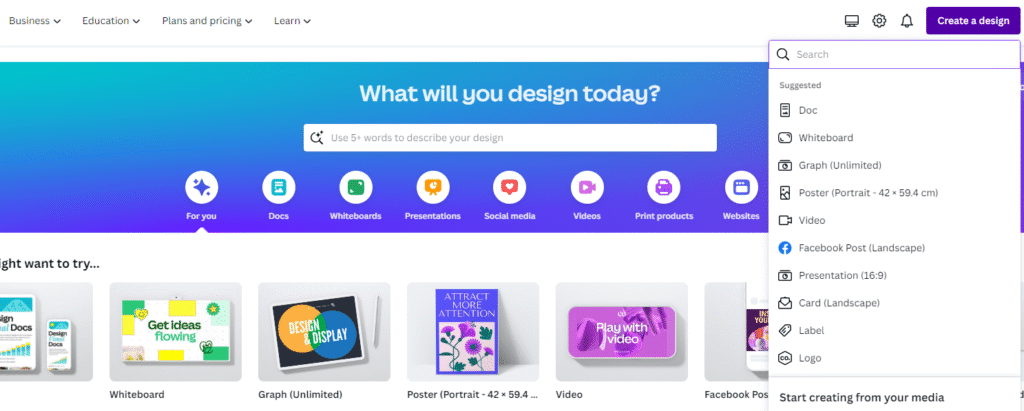
Canva. has expanded beyond simple design tools to include powerful ai features for video creation.

Their magic brush functionality allows users to remove or modify elements in video clips with single click simplicity. The magic eraser tool can eliminate unwanted objects from footage, while magic grab lets creators isolate and manipulate specific elements.

These tools are particularly valuable for social media content creators who need to quickly edit footage for different platforms. The user interface remains intuitive, making complex editing tasks accessible to users without extensive technical training.

PikaLabs

PikaLabs

Pika ai has gained recognition for its innovative approach to video generation and manipulation.

The platform offers text-to-video and image-to-video capabilities, focusing on creating engaging short-form content. One of Pika’s standout features is its effects system, which allows users to apply transformations like inflate, melt, or explode to objects in their videos.

The tool’s user-friendly interface makes it accessible to creators of all skill levels. Recent updates have introduced new features like object swapping and lip sync capabilities, expanding its utility for various filmmaking applications.

Topaz Labs

Topaz Labs

Topaz Video AI represents the cutting edge of video enhancement technology.

The software uses diffusion models for video upscaling, allowing creators to convert low-resolution footage to 4K quality with remarkable results.

This is particularly valuable for filmmakers with older footage or material shot on consumer-grade equipment, a common challenge in AI documentary production.

The tool runs locally on your computer, meaning no cloud processing fees or internet dependency. Topaz Video AI also includes features for frame rate interpolation, allowing smooth conversion between different frame rates and creating slow-motion effects from standard footage.

Pixverse

Pixverse

Pixverse has evolved into a comprehensive ai video generator with its v2.0 upgrade.

The platform offers multiple creation modes including image-to-video conversion and text-to-video generation.

Key frame control is a standout feature, allowing users to specify start and end frames for more precise video generation.

The app includes trending ai effects like muscle surge and dance revolution, making it popular among social media creators.

The lightning-fast processing speed delivers results in approximately five seconds, making it ideal for rapid content creation workflows.

Haiper

Haiper

Haiper AI focuses on making video creation effortless through its comprehensive suite of tools.

The platform offers text-to-video conversion, image animation, and video repainting capabilities.

The clean user interface requires no technical expertise, making professional-quality video creation accessible to everyone.

The tool’s image animation feature is particularly impressive, adding motion and depth to static images. This capability is perfect for creating dynamic content from existing photography or artwork.

Firefly

Firefly

Adobe Firefly integrates seamlessly into the Adobe ecosystem, offering powerful generative AI features for image and video content. The text-to-image module can generate entire scenes from simple prompts, while the generative fill feature allows precise editing of video clips.

Firefly’s strength lies in its integration with other Adobe products like Photoshop and Premiere Pro. This workflow integration makes it valuable for creators already working within the Adobe ecosystem.

Elevenlabs

Elevenlabs

Elevenlabs specializes in AI-powered audio generation and voice synthesis. Their conversational ai 2.0 platform offers state-of-the-art voice generation with natural-sounding results. The platform includes features like automatic language detection and multimodal support.

For filmmakers, Elevenlabs provides solutions for voiceovers, character voices, and audio enhancement.

The platform’s ability to clone voices and generate speech in multiple languages makes it valuable for international productions.

LTX Studio

LTX Studio

LTX Studio is a one-stop shop for AI movie-making. This platform lets users enter text prompts. It then creates full movie scenes.

The tool has features for editing motion and style reference. It also has generative fill options. The work process begins with script input. Then it moves to making storyboards.

Finally, users can export their videos. This full approach works well for creators. It’s great for making short films or ads.

Boords

Boords

Boords is a tool that helps with storyboarding. It uses AI to help creators see their ideas before they start making films.

The platform can create full video scripts along with matching visual storyboards. This makes it very useful for planning before production starts. The tool keeps character traits the same in all scenes. It also provides different visual options for each storyboard panel.

This allows creators to try out various looks before they begin filming.

Adobe Premiere Pro (AI Features)

Adobe Premiere Pro

Adobe Premiere Pro has added some AI features to help with video editing. These tools make the workflow easier for editors.

There are options to add or remove objects after filming. This helps in changing the footage in post-production.

The generative extend feature can add frames to clips. This makes transitions smoother between different scenes.

The AI audio tools are also helpful. They include interactive fade handles that allow for better sound control. There is also automatic audio sorting, which speeds up the editing work.

These features keep the quality that editors want while making the process more efficient with AI help.

Colourlab AI

Colourlab AI

Colourlab AI is a tool that helps with color grading. It makes this process faster by up to 80% for long films.

The tool handles scene balancing, secondary grading, and keyframing easily. It keeps the quality high and meets professional standards.

For filmmakers with longer projects, this tool saves a lot of time in post-production. It also ensures the colors stay consistent in all the footage.

Magnific.AI

Magnific.AI

Magnific ai is good at making images better. It uses smart ai methods to help with this task.

The tool can change low-quality images into clear, high-quality ones. This process adds more detail and makes the images clearer.

For filmmakers, this feature is very helpful. It helps to improve still photos and make nice promotional materials.

It also helps to boost the quality of current visual assets.

Move AI

Move AI

Move Ai changes the way we capture movement. It offers new tools without the need for old hardware.

This smart system helps users catch human moves easily. Then, it turns those moves into digital animations with no fuss.

By getting rid of old limits, Move Ai helps creators work better.

It allows them to add motion capture to their projects with ease, opening up new possibilities for lifelike and engaging AI animation.

This opens up many new options for lifelike and engaging animations. Whether you are a skilled pro or just starting out, Move ai has what you need. It gives an easy way to get great motion capture for your creative work.

Deepdub.ai

deepdub

Deepdub.ai is a new platform that helps with dubbing and localization using AI. It changes how filmmakers reach global viewers.

By using smart tech, Deepdub.ai allows creators to easily translate their work into many languages. They keep the true voice of the actors in the process. This solution makes it easier for international fans to watch films.

It also makes sure dubbed voices sound natural and interesting.

With Deepdub.ai, filmmakers can deal with language gaps easily. They can provide high-quality content that connects with different audiences around the world.

How AI Tools Are Transforming Each Stage of Filmmaking?

How AI Tools Are Transforming Each Stage of Filmmaking?

AI in Pre-Production (Scriptwriting, Storyboarding)

The pre-production phase has been revolutionized by AI tools that assist with scriptwriting and visual planning.

Platforms like ChatGPT can help generate story ideas, develop characters, and create dialogue.

These tools analyze existing scripts to suggest plot developments and narrative structures that align with specific genres or themes.

Storyboarding has become more efficient with tools like Boords, which can generate visual representations of scenes automatically. This technology helps directors and cinematographers plan shots more effectively and communicate their vision to the production team.

AI in Production (Virtual Environments, Camera Planning)

During production, ai tools assist with camera planning and virtual environment creation.

Advanced systems can track actors’ movements and adjust focus automatically, reducing the need for multiple takes.

Virtual production environments created with ai can replace expensive location shoots while maintaining realistic visual quality.

Motion tracking technology has improved significantly, allowing for more precise camera movements and better integration of practical and digital elements. This technology is particularly valuable for productions with limited budgets or challenging shooting conditions.

AI in Post-Production (Editing, VFX, Color Grading, Audio Mixing)

Post-production has seen the most dramatic transformation through AI integration.

Video editing software like Premiere Pro now includes automated features for tasks like silence detection, object removal, and color correction. These tools maintain professional quality while significantly reducing editing time.

Visual effects creation has become more accessible through platforms like Runway, which can generate complex effects without traditional VFX expertise. Color grading tools like Colourlab Ai automate the technical aspects while allowing creative control over the final look.

Audio mixing benefits from AI tools that can clean audio, generate music, and create voiceovers. The integration of these capabilities into standard editing workflows has streamlined the entire post-production process.

AI For Marketing and Distribution

AI tools are changing how films are sold and shared. They help make trailers quickly and easily. These tools also create content for social media.

They can analyze audiences to help filmmakers connect better. This focus on community and data analytics is a core component of many modern digital platforms, including the growing field of Social Network SaaS.

With these tools, filmmakers can make many versions of ads. Each version is suited for different places and groups of people.

Choosing The Right AI Tool For Your Film Project

Choosing The Right AI Tool For Your Film Project

Factors to Consider (Budget, Features, Learning Curve)

Selecting the right AI filmmaking tool is important for many reasons.

First, think about your budget. Tools can be free, like some features in Canva. Other tools may cost money through subscriptions. Next, check the features you need. A social media creator may want fast tools. Meanwhile, a documentary maker might need strong color editing options.

The ease of use can also differ a lot between tools. Some platforms, like Pixverse, are easy to use right away. Others, like Topaz Video AI, need more skills to operate well. Keep in mind your time frame and how much you want to learn new software.

Comparing Popular AI Tools

When you look at AI video tools, think about a few key points.

First, check the quality of the videos they make. Next, consider how fast they work.

Also, look at how well they fit with other tools you use. Some tools, like VEO from Google Labs, offer great quality but are not easy to access.

Other well-known tools, like Runway, are always available but can be more expensive. It’s also key to see how they fit into your work process.

If you use Adobe products already, try Firefly and Premiere Pro AI features. They work well with Adobe tools.

For those who are just starting, a tool like LTX Studio could be better for you.

FAQ’s:

How Do AI Tools Enhance The Filmmaking Process?

AI tools make filmmaking better. They help by speeding up slow tasks. They also improve the quality of videos.

These tools allow for more creative ideas. They can create content from text prompts. This means you just need to write some words. AI can also make video resolution clearer. It can adjust colors automatically, too. You do not need special skills to use these features.

Lastly, AI can add visual effects easily and quickly.

Can AI Tools Replace Human Creativity in Filmmaking?

AI tools help boost human creativity. They are not meant to take over. These tools can create content and speed up tasks.

However, they still need human ideas and stories. The vision and art in films need people to guide them. These tools are best when used alongside creators in the creative process.

What Are The Cost Implications Of Using AI Filmmaking Tools?

The cost of tools can vary a lot. Some basic features are free to use. However, professional tools often require monthly fees. These fees can be from $20 to $100 or even higher. Still, the costs are usually much lower than old-style production costs.

Are There Any AI Tools For Beginners In Filmmaking?

Yes, many AI tools are made for beginners. Platforms like Canva, Pixverse, and Haiper are easy to use. They have simple layouts that need little tech skill. These tools give users templates and auto features. This helps new users make content that looks professional.

How Do I Choose The Right AI Tool For My Filmmaking Needs?

Choose tools that fit your needs. Think about the type of project you have. Also, look at your budget and skill level. The quality you want is important too. Start with free or cheap tools first. Use these to see what they can do.

As your needs grow, you can upgrade to better options. Make sure the new tools work well with your current software.

What Are The Ethical Considerations When Using AI In Filmmaking?

Ethical issues are important in using AI. This includes giving credit for AI-made content. It also means being clear about how AI is used. You must respect copyright and ownership rights, too. Many sites now use watermarks to show who made the work.

They also have rules to track where the content comes from. Always read the terms of service for rights when using it for business.

Conclusion

The use of artificial intelligence in filmmaking is changing how we make and watch videos. Tools like Google’s advanced video system and Canva’s magic features make video creation easier for everyone. They keep high quality while allowing many people to create videos.

These new tools let creators focus on their art while technology takes care of tricky parts. The future of filmmaking will involve teamwork between human ideas and artificial intelligence.

As these tools get better, they will help more people join in and tell their stories visually. Whether you are a film student, an independent creator, or a Hollywood expert, knowing how to use these AI tools is important. It helps you stay ahead in the fast-changing media world.

To succeed with AI filmmaking tools, you need to balance automation with your own creative choices.

By picking the right tools for your needs and style, you can use AI power to bring your creative dreams to life faster than ever.

Categories
AI

AI Filmmaking: End to End Guide For Merging Creativity With Tech

The film industry is going through big changes thanks to artificial intelligence (AI).

AI filmmaking is no longer just an idea – it’s here and changing how movies are made. From writing scripts to editing final cuts, AI tools are helping filmmakers work faster, try new ideas, and cut costs.

As these technologies improve, both Hollywood studios and independent creators are finding ways to use AI in their projects.

This article looks at how AI is changing filmmaking, the tools available, possible problems, and what we might see in the future.

What is AI Filmmaking?

What is AI Filmmaking?

AI filmmaking uses artificial intelligence to help make movies and videos.

It combines computer technology with the traditional filmmaking process to make things easier, faster, and sometimes better.

AI can write scripts, create visual effects, help with editing, and even generate whole scenes that look real. This technology is not just for fiction; it’s also being used to create compelling AI Documentary projects that explore real-world topics in innovative ways.

The term “generative AI” is important here – it means AI that can create new content rather than just analyzing existing work.

These systems learn from thousands of movies, scripts, and images to understand what makes good visual storytelling. Then they use that knowledge to help filmmakers with their creative process.

AI doesn’t replace human filmmakers – it’s a tool that helps them. As one AI filmmaking course explains, “AI has the power to speed up and optimize virtually every aspect of a film and video production pipeline”.

For many filmmakers, AI is becoming as essential as cameras and editing software.

How AI is Transforming the Film Industry?

How AI is Transforming the Film Industry?

Scriptwriting and Story Development

AI is changing how stories are created for film and TV. Tools like ChatGPT can generate script ideas, suggest dialogue, or even write complete scenes. In 2016, a short film called “Sunspring” became the first movie with a script completely written by AI.

The script was strange – full of odd phrases and disconnected ideas – but it showed what was possible.

Today’s AI scriptwriting tools are much better. They can analyze successful movies to find patterns in storytelling.

Some studios are even using AI to predict which scripts might become hits, helping them decide which projects to fund.

For writers, AI can help beat writer’s block or suggest new directions for a story. It’s especially helpful for generating ideas quickly during the early stages of the creative process.

Casting and Pre-Production

Before filming starts, AI helps with many pre-production tasks.

Some studios use AI to suggest actors for specific roles based on past performances and audience reactions. This helps filmmakers make casting choices that might connect better with viewers.

AI also helps with:

  • Virtual Location Scouting – generating images of potential filming locations without traveling there
  • Storyboarding – creating visual plans of each shot using tools like Midjourney
  • Budget Planning – predicting costs and suggesting ways to save money
  • Scheduling – organizing complex production timelines

These tools save time and money during the planning stages.

As one article mentions, “AI can automate drafting for existing locations or 3D modeled builds. Make efficient translation of photos, art, or text descriptions into 3D models”.

Visual Effects and Animation

Some of the most exciting AI advances are happening in visual effects and animation. AI can now:

  • Create realistic digital environments for virtual production
  • Generate crowds of background characters
  • De-age actors (like Tom Hanks in the film “Here”)
  • Transform simple sketches into detailed VFX concepts

Tools like Runway and Google’s Veo allow filmmakers to generate cinematic clips from text descriptions. This makes high-quality VFX more accessible to filmmakers with smaller budgets.

For animation, AI helps create smoother movement, more realistic textures, and even entire animated sequences.

The world of AI Animation is expanding rapidly, allowing creators to produce stunning visuals with a fraction of the traditional effort.

This speeds up the animation process while maintaining quality.

Editing and Post-Production

Editing is where many filmmakers are first experiencing AI. Automated tools can:

  • Sort through hours of footage to find the best takes
  • Suggest cuts and transitions
  • Match color grading across different shots
  • Clean up audio and remove background noise
  • Create realistic voice dubbing for different languages

AI-powered editing doesn’t just save time – it can help create better films. As one source explains, “AI systems can identify high-action and emotional movie scenes” to help editors make more engaging cuts.

AI Filmmaking Tools

AI Filmmaking Tools

Many AI filmmaking tools are now available to creators at all levels.

Here are some of the most popular:

  1. Runway A powerful platform for generating and editing video with AI
  2. Midjourney Creates detailed images for storyboards and concept art
  3. Google Veo – Generates realistic video clips from text descriptions
  4. Synthesia Creates videos with AI avatars speaking any script
  5. Fliki Turns text into videos with AI voices and visuals
  6. TrueSync – Helps with visual dubbing into different languages
  7. DeepEditor – Refines dialogue and performances in post-production

These tools are changing who can create professional-looking content.

As one source notes, “From scripting to editing, voiceovers to visual effects, AI is putting powerful tools into the hands of creators who’ve never set foot in a studio”.

Many companies now offer AI filmmaking education through online filmmaking courses.

Curious Refuge claims to be “the world’s standard for AI filmmaking education” with “the world’s first online course” focused on AI film creation.

Threats of AI in Filmmaking

Threats of AI in Filmmaking

Job Displacement

One big concern is that AI might replace human workers in the film industry.

According to one study, “three-fourths of respondents indicated that AI tools supported the elimination, reduction or consolidation of jobs at their companies”. The same report estimates that nearly 204,000 positions in entertainment could be affected by AI in the next three years.

Jobs most at risk include:

  • Sound engineers and editors
  • Voice actors (especially for dubbing)
  • Concept artists and storyboard artists
  • Entry-level positions in post-production
  • 3D modelers and some VFX artists

As AI tools improve, they can do many technical tasks that previously required skilled workers. However, new jobs are also being created, like AI prompt engineers and AI integration specialists.

Diminishing Human Creativity

Many filmmakers worry that AI might lead to less creative, more formulaic films. If movies are made based on what algorithms predict will be successful, we might see less experimentation and artistic risk-taking.

As one source warns, “AI lacks the human writers‘ and filmmakers’ emotions and profound cultural awareness… AI-generated films may therefore prioritize financial gain over the telling of complex and significant tales”.

There’s also concern that the unique vision of directors and writers could be lost. Films shaped too heavily by AI might feel similar to each other, lacking the personal touch that makes great cinema special.

Ethical and Privacy Concerns

AI filmmaking raises important ethical questions:

  • Deepfake technology can create realistic footage of people doing or saying things they never did
  • AI can generate images that look like copyrighted material or existing actors
  • Voice cloning might be used without proper permission
  • AI systems trained on existing films might violate intellectual property rights

One concerning example happened with the trailer for “Megalopolis,” which “used fake, AI-generated quotes from critics that were passed off as authentic quotes”.

This shows how AI could be misused to spread misinformation.

Oversaturation of Content

AI makes it easier for anyone to create videos, which could lead to too much content. When everyone can make professional-looking films, it becomes harder for any single project to get noticed.

There’s also concern about quality.

While AI can help with the technical aspects of filmmaking, it may not understand what makes a story emotionally powerful.

This could lead to many films that look good but lack meaningful content.

Notable Examples of AI-Driven Films

Notable Examples of AI-Driven Films

The most famous AI film experiment is “Sunspring” (2016), directed by Oscar Sharp.

The entire screenplay was written by an AI called Benjamin, which was trained on hundreds of sci-fi scripts.

The film starred Thomas Middleditch from HBO’s “Silicon Valley” and was created for the Sci-Fi London film festival’s 48-hour challenge.

The success of such experiments has led to more formal events, giving rise to a new type of AI Competition where creators push the boundaries of AI-driven cinema. While viewers found the dialogue strange and disconnected, many were impressed by how the actors and director turned the unusual script into something watchable.

As one reviewer noted, “If you didn’t know AI wrote the script, you might excuse ‘Sunspring‘ as some avant garde art-house short with good production values”.

More recent examples show how far AI filmmaking has come:

  • The Brutalist” used AI voice technology to enhance Hungarian dialogue for its leads
  • Here” used AI de-aging technology to show Tom Hanks across 60 years
  • Many studios now use AI for creating background environments and special effects

These examples show that AI works best when supporting human creativity rather than replacing it.

The Future of AI in Filmmaking

The Future of AI in Filmmaking

The future of filmmaking is set to change with the use of new technology like AI. This helps make the process smarter and faster.

Experts say there will be more ways to mix AI skills with human creativity. This mix lets people work together better.

As ai filmmaking education becomes the world’s standard, the new tools will be open to everyone. You will not need to be an expert to use them. Big names in the filmmaking world are trying to lower carbon emissions, too. They want to use more eco-friendly ways to make movies. With AI and people working together, there is so much that can be done.

We will now look at these new technologies and trends in detail.

Emerging Technologies

Several exciting AI technologies are emerging for filmmakers:

  • Multi-Model AI Pipelines – Using different AI systems together for various tasks in post-production
  • Adaptive Storytelling – AI that can help create branching narratives for interactive films
  • Real-Time Rendering – Systems that can generate high-quality visuals instantly during filming
  • Emotional Intelligence – AI that can analyze and predict audience emotional responses

These technologies will make AI more useful for all types of filmmaking. As they improve, we’ll see more integration between traditional filming techniques and AI-powered tools.

Predictions and Trends

Experts predict several trends for AI filmmaking in the coming years:

  • Democratization of filmmaking – More people will be able to create professional-quality videos
  • AI filmmaking jobs will grow, especially roles that combine technical and creative skills
  • Indie creators will push boundaries – Small teams will experiment with AI in ways big studios won’t
  • New visual styles will emerge that would be impossible without AI
  • Collaboration between AI and humans will become the standard approach

One article suggests that “2025 will be the year we see viral short films, weird internet series, and experimental trailers go global — all created using AI tools from a laptop and a bold prompt”.

As more creators enter the field, they will need new ways to share their work and build audiences, potentially using platforms built on a Social Network SaaS model to foster niche communities.

FAQ’s:

How Does AI Contribute to Cost Reduction in Film Production?

AI reduces costs in many ways. It cuts down on pre-production expenses by allowing virtual location scouting and digital storyboarding.

During production, AI can create digital sets instead of building physical ones. In post-production, AI automates time-consuming tasks like rotoscoping and color correction.

One source notes that AI “reduces the need for large physical sets, expensive camera equipment, and extensive CGI”, making filmmaking more affordable, especially for smaller productions.

Can AI Independently Create A Feature-Length Film?

Right now, AI cannot independently create a good feature-length film.

While AI can generate scripts, visuals, and even edit footage, the results still need human guidance and refinement. The quality of fully AI-generated content isn’t yet comparable to human-created films.

However, AI filmmaking software is improving quickly, and the line between human and AI creation is becoming less clear. For now, the best results come from collaboration between filmmakers and AI tools.

Will AI Replace Human Roles In Filmmaking?

AI will change many jobs in filmmaking, but won’t replace all human roles.

Technical positions like some editing and VFX jobs face the biggest risk. Creative roles like directing and acting are safer because they require emotional understanding and human connection.

As Brett Stuart from Staircase Studio put it, AI is here to “complement, not replace, human creativity“. The film industry will likely see a shift in job types rather than a complete replacement, with new roles emerging around AI integration.

How Does AI Enhance the Storytelling Process in Films?

AI enhances storytelling in several ways. It can analyze successful films to identify effective narrative patterns.

For scriptwriters, AI generates new ideas and helps overcome creative blocks. During production, it visualizes scenes before filming starts.

In post-production, AI can identify the most emotionally impactful scenes and suggest edits that improve pacing. AI tools also help filmmakers test different versions of their stories to see what resonates with audiences, allowing for more informed creative decisions.

Conclusion

AI is changing filmmaking in big ways. From writing scripts to creating visual effects, these tools are making film production faster, cheaper, and sometimes better. For filmmakers, AI offers new creative possibilities and ways to bring their visions to life.

However, AI comes with challenges. Job displacement is a real concern, and there are important questions about creativity, ethics, and quality. The best approach seems to be using AI as a tool that supports human creativity rather than replaces it.

As AI filmmaking tools continue to improve, more people will have access to high-quality filmmaking capabilities. This democratization of film production could lead to more diverse voices and stories being told.

The future of filmmaking will likely be a partnership between human creativity and AI technology.

As one AI filmmaking course points out, their training can have a “net positive impact on the planet” through reduced carbon emissions, support for reforestation, and emission reduction.

For today’s filmmakers, learning to work with AI is becoming as important as understanding cameras and editing.

Those who can combine traditional filmmaking skills with AI knowledge will be well-positioned for success in this evolving industry.

Categories
Design

Social Network SaaS: Build Communities That Connect People

Creating your own social media site might sound hard, but it’s easier than you think!

Social network SaaS platforms are online tools that let anyone build communities where people share ideas, like a clubhouse for your hobbies or work.

Imagine making a space for artists, gamers, or book lovers—no coding needed! These tools help businesses connect with their target audience (the people who care about their stuff) through social media marketing, like sharing posts or videos.

For example, just like Designers Choice brings designers together, SaaS products let you create profiles, share new content, and keep things safe. They’re used by SaaS companies to grow their brand awareness and build a thriving community.

Whether you want to share educational content or start a professional networking platform, these tools make it simple. Plus, they’re part of a smart marketing strategy to turn ideas into real connections. Let’s see how!

What Is A Social Network SaaS?

What Is A Social Network SaaS?

A social network SaaS is a cloud-based service that lets you build and manage your social media platform without the technical headaches.

Think of it like having your own Facebook or Instagram, but made just for your specific community or SaaS product.

These platforms work on a subscription model, which means you pay a monthly fee to access all the tools you need.

This saas marketing strategy makes it affordable for small businesses and individuals to create their social media channels without spending thousands of dollars on development.

NING is one example that shows how powerful these platforms can be. They help people create social networks from scratch and have become the world’s largest SaaS platform for building websites with great social features.

BuddyBoss is another top saas solution that offers both web and mobile apps for building niche social networks.

Key Features of Social Network SaaS Platforms

Key Features of Social Network SaaS Platforms

Social Network SaaS platforms bring you many great features.

User Profiles and Customization

Every good social network begins with user profiles. These sites let your members make detailed profiles. These profiles show who they are and what they like. You can change how these profiles look to fit your brand. This helps you meet your business goals.

The best part is users can sign up with their social media accounts. This makes it easy for more people to join your growing community.

This link to social media also gives you useful data about your users. You can use this data for your marketing plans.

Content Sharing and Engagement Tools

Content is the heart of any social network.

These platforms give you all the tools you need to share different type of content – from blog posts and photos to videos and live streams. Your community members can like, comment, and share content just like they do on other social platforms.

Many platforms also include content calendar features that help you plan your new content ahead of time. This makes your social media marketing strategy much more organized and helps you create valuable content on a daily basis.

Privacy and Security Features

Security is super important when you’re building a community.

Social network SaaS platforms come with built-in privacy controls that let you decide who can join your network and what they can see. You can make your community completely public, totally private, or somewhere in between.

These platforms also handle all the technical security stuff, so you don’t have to worry about keeping your community safe from hackers or data breaches.

Benefits of Using Social Network SaaS Solutions

Benefits of Using Social Network SaaS Solutions

Creating your own social network has many good points for your SaaS business.

First, it helps you make stronger bonds with your customers. You do not have to fight for attention on big social media sites like Facebook or Twitter. Instead, you have your own space where you can run the talk.

This way also helps grow your brand awareness in a more focused way. Your future customers can engage with your brand more closely, which builds trust. This makes them more likely to become paying customers later.

Studies show that 91% of B2B marketers use social media to share content. This fact makes social media an important part of any SaaS marketing plan. Another big plus is that you get better feedback from customers.

When people feel part of a special group, they are more open to sharing their true thoughts about your SaaS product. This honest feedback helps you make your offering better and create useful content that your audience wants.

How to Launch Your Own Social Network SaaS?

How to Launch Your Own Social Network SaaS?

Starting your own SaaS product takes good planning and the right steps.

Pre-Launch Strategy

Identify and Understand Your Target Audiences

Before you build anything, you need to know exactly who you’re building it for.

Start by researching your potential customers and understanding their needs, challenges, and interests. Look at what type of content they engage with on other social platforms and where they spend their time online.

Take part in online discussions related to your industry and talk to people who might be interested in your community. This research will help you create a more focused SaaS marketing strategy that speaks directly to the right people.

Set A Definitive Launch Date

Having a clear launch date keeps you focused and helps create excitement around your new social network.

Choose a date that gives you enough time to properly test everything but isn’t so far away that people lose interest in your project. Share this date with your early supporters and use it to drive your marketing campaigns. This creates urgency and helps build momentum for your launch.

Use A SaaS Social Media Calendar

A content calendar is one of the most important tools for planning your launch. It helps you organize all your social media content, blog posts, and marketing campaigns in one place. Plan out at least 4-6 weeks of content before your launch date.

Your calendar should include different content formats – educational content, behind-the-scenes posts, success stories, and promotional material. This variety keeps your audience engaged and shows different aspects of your upcoming platform.

Determine The Most Effective Social Media Channels

Not all social media channels work the same way for SaaS companies. LinkedIn and Twitter are usually the most effective for B2B SaaS marketing, while Instagram and TikTok work better for consumer-focused products.

Research where your target audience spends most of their time and focus your efforts there. It’s better to do really well on 2-3 platforms than to spread yourself too thin across many social media channels.

Generate Curiosity For Your SaaS Product

Start building excitement before your launch by sharing sneak peeks of your platform. Create case studies that show how similar communities have succeeded, or share the story of why you decided to build this social network.

Use social proof like testimonials from beta testers or industry experts who support your idea. This helps build credibility and gets more people interested in joining your community.

Develop Compelling and High-Quality Content

Your content needs to be helpful, interesting, and relevant to your audience. Create educational content that solves real problems your target audience faces. This could include how-to guides, industry insights, or tips for building better communities.

Remember to keep your content simple and easy to understand. Use clear language and avoid technical jargon that might confuse people who aren’t familiar with social network SaaS solutions.

Build A Social Community of Early SaaS Adopters

Start building your community before you even launch your platform. Create a simple company page or business page on existing social platforms where early supporters can gather and discuss your upcoming project.

These early adopters become your biggest champions and help spread the word about your new social network. They also provide valuable feedback that helps you improve your platform before the official launch.

Thoroughly Test and Refine Your SaaS Product

Testing is important for making sure your platform works perfectly at launch. Get a small group of trusted users to try out all the features and give you honest feedback about what works and what doesn’t.

Use this feedback to fix any problems and improve the user experience. It’s much easier to fix issues before launch than to deal with unhappy users after your social network goes live.

Post-Launch: Sustaining SaaS Social Media Marketing Momentum

Collaborate With Influencers

Working with influencers in your industry can help expand your reach and bring new members to your community. Look for people who share your values and have engaged audiences that match your target audience.

These partnerships work best when they feel natural and authentic. Instead of just paying for posts, create genuine relationships where influencers become real advocates for your social network.

Foster Ongoing Engagement With Your SaaS Community

Keeping your community active requires constant attention and care. Respond to comments, start interesting discussions, and celebrate member achievements. This ongoing engagement keeps people coming back and helps build a thriving community.

Create regular events like Q&A sessions, contests, or featured member spotlights. These activities give people reasons to check in regularly and participate more actively in your social network.

Identify and Address Pain Points

Pay close attention to what your community members are saying about their experience. Use tools to monitor conversations and identify common problems or frustrations.

When you spot issues, address them quickly and communicate with your community about the changes you’re making. This shows that you care about their experience and are committed to making your platform better.

Promote Exclusive Discounts & Offers On Social Media

Give your community members special deals and early access to new features.

This makes them feel valued and gives them reasons to stay engaged with your platform. Share these offers on your social media channels to attract new members and reward loyal community participants. Limited-time offers create urgency and encourage quick action.

Promote Your Content On Social Media

Don’t just create great content for your social network – share it on other social platforms too.

This helps drive organic traffic to your community and shows potential members what they’re missing. Create teaser posts that give people a taste of the valuable content available in your full community.

This SaaS content marketing approach helps you reach people who haven’t joined yet.

Use Ads

Organic social media marketing is great, but facebook ads and other paid social media campaigns can help you reach more potential customers faster.

Start with small budgets and test different messages to see what works best for your audience. Focus your ads on the benefits of joining your community rather than just the features of your platform.

People care more about what’s in it for them than about technical specifications.

Choose The Right Tools

Use tools to help you manage your social media marketing. These tools make it easier to work effectively.

Social media platforms can help you schedule your posts. They also track engagement and watch how your community grows. Analytics tools help you see which content works best. They show when your audience is active too.

This data helps improve your social media plans over time.

Social Network SaaS Marketing Strategies

Social Network SaaS Marketing Strategies

Successful saas brands use several key strategies to grow their social networks. Content marketing is one of the most effective approaches – creating helpful, educational content that solves real problems for your target audience.

Hootsuite, one of the top saas companies, shows how powerful content repurposing can be. They took a single blog post about Instagram captions and turned it into multiple pieces of content across different social media channels, eventually driving 980,000 monthly visitors.

Another effective strategy is building authentic relationships with your community.

Mailchimp excels at this by creating fun, engaging campaigns that feel personal rather than corporate. They focus on giving back to their customer base, especially small businesses, which builds strong loyalty.

The key is to focus on providing value rather than just promoting your saas product. Share success stories, create helpful tutorials, and engage in real conversations with your professional networking platform members.

Common Challenges and Solutions in Social Network SaaS

Common Challenges and Solutions in Social Network SaaS

One of the biggest challenges is getting people to join a new social network when they’re already active on established platforms. The solution is to offer something unique that they can’t get anywhere else.

Another common problem is keeping people engaged after they join. Many community builders focus too much on getting new members and not enough on keeping existing ones active. Regular new content, member recognition, and interactive events help solve this issue.

Technical problems can also hurt your community’s growth. That’s why choosing a reliable social network SaaS platform with good customer support is so important. Look for providers that handle security, updates, and maintenance so you can focus on building your community.

FAQ’s:

Is Social Network SaaS Secure?

Yes, trusted social network SaaS platforms care a lot about security. They use strong encryption to protect data.

They also make regular updates for security. These steps help keep your community safe. Many platforms give extra features for safety too. This includes two-factor authentication. It also has privacy controls. These controls let you choose who can enter your network.

Which Social Networks Do SaaS Businesses Use Most Overall?

LinkedIn and Twitter are the top social media sites for SaaS companies. This is true, especially for those that focus on B2B marketing. These platforms help share educational content. They also connect with business decision-makers.

Instagram and TikTok are growing in importance too. They are important for SaaS brands that target consumers.

How Many Social Media Profiles Do Fast Growing SaaS Companies Focus On?

Research shows that many fast-growing SaaS companies focus on one main social media channel. They do not try to be on every platform at once. Instead, they put most of their energy into one site. This is usually where their target audience is most active.

Once they build a strong presence, they can start to expand to other platforms. This gradual approach helps them grow effectively.

How Can I Effectively Market My Social Network SaaS to Attract Users?

You should focus on making useful content. This content must solve real problems for your audience. Use social media to connect with people.

Build trust before asking them to join your network. Share stories and examples that show the benefits of being in your group. Most importantly, make sure your ads explain what makes your social network unique and valuable to join.

How Do I Ensure User Engagement and Retention in My Social Network SaaS?

Keep your community lively by sharing new content often. This helps spark talks among members.

Make sure to reply fast to comments and questions. Create events or challenges that give people reasons to join in. It’s important to thank and celebrate active members so they feel appreciated.

Also, keep asking for feedback from users. Use this input to make your platform better and add features that your community wants.

Conclusion

Building a good social network for SaaS needs more than just picking a platform. It requires a strong marketing plan and steady work. You also need to care for your community members. I have helped creative people connect through Designers Choice.

From my experience, the best communities offer real value and build true relationships. The social network SaaS world is growing fast. More people see the benefit of creating their communities instead of just using big social media sites.

With the right tools and a focus on your members, you can create a lively community. This will help your business goals while giving real value to your audience. Keep in mind that success in SaaS social media marketing starts with your community’s needs.

When you help your members thrive and connect, your social network will grow naturally. It will become important in their daily lives. Start small, stay steady, and always think about what’s best for your community.

Categories
Branding Design

Branding vs Brand Identity: Key Differences & Basics Explained

Imagine you’re getting dressed for a party. Your clothes (like a bright shirt or sparkly shoes) are what people see—that’s brand identity.

But how you talk, smile, and make others feel at the party? That’s branding. Many small business owners think a logo design or color palette is all they need, but there’s more to it!

At Designers Choice, we understand that brand identity is like your business’s “outfit”—the visual elements (logo, colors, fonts) people recognize. Branding is the “personality” behind it—how you talk to customers, what you stand for (core values), and the emotional connection you build.

For example, a fun logo design (brand identity) might catch eyes, but friendly customer service and clear brand voice (branding) make people trust you. Both work together like best friends to create a strong brand that your target audience remembers.

In simple terms:

  • Brand identity = What people see (your visual identity).
  • Branding = How people feel about you (your brand personality).

Let’s break down these ideas so you can build a successful brand that stands out! ️

What is Branding?

What is Branding?

Definition of Branding

Branding is the active process of creating and shaping how people think about your business. It’s not just about making things look pretty.

Branding is about building an emotional relationship between your company and your customers.

When someone hears your business name, what comes to mind? That’s your brand at work.

Cambridge Dictionary defines branding as “the act of making a product, organization, person, or place easy to recognize as different from others by connecting it with a particular name, design, symbol, set of qualities, etc.“.

But modern branding goes much deeper than this simple definition suggests.

Your branding efforts touch every point of contact with customers.

From your customer service to your social media posts, everything shapes how people see your company’s brand. A brand strategist once told me that branding is like dating – it’s about making the right first impression and then keeping that promise over time.

Elements of Branding

Effective branding includes many parts that work together. Your brand strategy starts with your core values and brand values. What does your business stand for? What makes you different from others? These questions form the solid foundation of all your branding efforts.

Your brand voice and tone of voice are important elements, too. How do you talk to customers?

Are you friendly and casual, or professional and serious? Your brand personality should shine through every piece of content you create.

This includes your marketing materials, website copy, and even how your team answers the phone. If you want some great brand story examples to inspire your voice, check out some top companies.

Brand positioning is another key part of branding. Where do you fit in the market? What’s your unique value proposition? Smart positioning helps customers understand why they should choose you over competitors.

For small businesses, knowing what your niche is is the first step to effective positioning.

Your brand perception depends on how well you communicate these differences. Thinking about the future? Consider developing a plan for sustainable branding early on.

Importance of Branding

Strong branding creates trust and loyalty with customers.

When people know what to expect from your business, they’re more likely to buy from you again. Good branding also lets you charge higher prices because customers see more value in your products or services.

Branding builds brand recognition over time.

Think about the Nike Swoosh – it’s one of the most recognizable brand logos in the world, worth $26 billion alone. But this didn’t happen overnight. Nike’s consistent branding efforts over the decades created this powerful emotional connection with customers.

For a small business, branding helps you compete with bigger companies. When your branding is clear and consistent, customers remember you. They recommend you to friends. They become loyal fans who help grow your business through word-of-mouth marketing.

What is Brand Identity?

What is Brand Identity?

Definition of Brand Identity

Brand identity refers to “the unique characteristics that influence a brand’s perceived personality, appearance, and behavior“. It’s the collection of tangible elements that makes your brand recognizable.

While branding is about what people think and feel, brand identity is about what they see and experience.

Your company’s brand identity is like your business’s face and voice rolled into one. It includes every visual element people encounter when they interact with your brand.

From your logo design to your color scheme, these graphic elements work together to create a cohesive visual identity.

The key difference is that brand identity comes from you – it’s how you want people to see your business. Brand image, on the other hand, comes from your audience – it’s how they perceive you. The goal is to align these two as closely as possible.

Components of Brand Identity

A strong brand identity includes several key components.

Your logo is usually the first thing people think of, but it’s just one piece of the puzzle. Your brand’s visual identity also includes your color palette, typography, and imagery style.

These visual elements should work together to tell your brand’s story.

If you’re a small business, you might consider using a platform like brand crowd to help develop some initial ideas.

Your packaging design matters too, especially if you sell physical products. Every touchpoint with customers should reflect your brand’s identity.

This includes your website design, business cards, and even your office space if customers visit.

Don’t forget about non-visual elements. Your tone of voice and brand voice are part of your identity too.

How you write emails, answer questions, and talk on social media all contribute to how people see your brand personality.

A brand identity designer considers all these elements when creating a complete system. If you want to see how the best do it, review the Netflix Brand Guidelines or the Uber Brand Guidelines.

Importance of Brand Identity

Brand identity serves as the visual representation of your business values and personality. It helps customers recognize you instantly, even without seeing your name. Think about how you can spot a Starbucks from blocks away – that’s the power of strong visual identity design.

Consistent brand identity builds trust with your target audience. When everything looks and feels connected, people believe you’re professional and reliable. This consistency across all marketing materials creates a memorable experience that sticks in people’s minds.

For visual assets, you might also want to look into the difference between rights managed vs royalty free licensing.

Your brand’s identity also plays a pivotal role in attracting the right customers. The visual elements you choose send signals about who you are and who you serve. A playful color scheme might attract families, while a minimal design might appeal to professionals seeking sophistication.

Branding Vs Brand Identity: The Main Differences

Branding Vs Brand Identity

While brand identity and branding are both key for a company’s brand, they are not the same thing. These are two distinct concepts.

Purpose and Focus

The main difference between branding and brand identity lies in their purpose.

Branding is the strategy behind building relationships with customers. It’s an active process that shapes how people feel about your business over time. Brand identity, however, focuses on creating the visual and verbal tools that support this strategy.

Branding asks, “How do we want people to feel about us?” while brand identity asks, “How should we look and sound to create those feelings?” Your marketing strategy needs to work effectively.

Without good branding, your brand identity might look nice, but it won’t connect emotionally. Without a strong brand identity, your branding efforts lack the visual power to make an impact.

If you’re looking for professional help, consider exploring various graphic design packages available.

A successful brand combines both elements seamlessly. Your branding strategy guides all decisions, while your company’s brand identity gives you the tools to execute that strategy consistently across every customer touchpoint.

Visual Vs Perception

Brand identity deals with tangible, visual elements that people can see and touch.

Your logo design, color scheme, typography, and marketing materials are all part of your visual identity. These elements are concrete – you can print them, display them online, and use them in your mood board.

This is where having clear brand descriptions is essential.

Branding, however, works in the realm of perception and emotion. It’s about the feelings and thoughts people have when they encounter your brand. You can’t touch a feeling, but you can influence it through consistent actions and messaging.

This difference explains why two companies might have similar visual identities but completely different brand perceptions. Their branding – how they treat customers, what they say, and how they behave – creates different emotional connections even with similar visual elements.

Examples of Each

Let me give you some real examples to make this clearer.

The Nike Swoosh is a perfect example of brand identity – it’s a simple visual symbol that represents the company.

But Nike’s branding is much bigger. It includes their “Just Do It” attitude, their support of athletes, and their focus on performance and achievement.

Apple’s brand identity includes their clean, minimal design, white and gray color palette, and simple typography.

But Apple’s branding is about innovation, creativity, and thinking differently. Their marketing efforts consistently reinforce these ideas through product launches, advertising, and customer experience.

Another major company with a meticulously documented identity is Walmart; its Walmart Brand Center is a great resource.

For a small business owner, your brand identity might include your logo, business card design, and website colors.

Your branding would be how you talk to customers, the quality of your customer service, and the promises you make and keep.

Both work together to create your overall brand perception.

Need to see more examples? Check out the Spotify Brand Guidelines or the Instagram Brand Guidelines.

How Branding and Brand Identity Work Together?

How Branding and Brand Identity Work Together?

Branding and brand identity work as a team to create a strong brand that resonates with customers.

Your brand identity provides the visual foundation, while your branding brings personality and meaning to those visual elements.

Think of brand identity as the stage and branding as the performance.

Your brand identity designer creates the visual tools, but your branding strategy determines how to use them.

Every social media post, every customer interaction, and every marketing campaign should reflect both your visual identity and your brand values. This consistency builds brand recognition and trust over time.

You might want to consider unlimited graphic design services to ensure this consistency across all platforms.

The most successful brands make sure their identity and branding tell the same story. If your visual identity suggests premium quality, your customer service and products must deliver on that promise. If your colors are fun and playful, your brand voice should match that energy.

When these elements align, you create an emotional connection that turns customers into loyal fans.

Personal branding works the same way. Your professional photos, resume design, and online presence form your brand identity.

But your branding includes how you communicate, the value you provide, and the relationships you build with others.

Which Matters More For Your Business?

Both branding and brand identity matter, but their importance depends on your business stage and goals.

If you’re just starting out, you might think logo design and visual elements matter most. But here’s what I’ve learned from working with many small business owners – branding often has more impact on long-term success.

Your branding strategy shapes everything else. It determines your target audience, guides your marketing efforts, and influences every business decision. Strong branding can overcome weak visual identity, but beautiful graphics can’t save poor branding.

However, you can’t ignore brand identity either.

In today’s visual world, people judge businesses within seconds of seeing them. Your brand’s visual identity creates that important first impression.

Poor design can turn away potential customers before they experience your great branding. This is why investing in the right graphic design services list is important. The smart approach is to develop both together.

Start with your branding strategy – define your core values, target audience, and unique value proposition. Then create a brand identity that supports and reinforces these strategic decisions. This integrated approach builds a strong foundation for all your marketing materials and business growth.

For instance, if your business is digitally-focused, like a social network SAAS, your digital identity is paramount.

FAQ’s:

Is Brand Recognition The Same As Brand Identity?

Brand recognition and brand identity are distinct concepts.

Brand recognition refers to your target audience’s ability to identify your brand among competitors without prompting.

In contrast, brand identity encompasses the visual and verbal elements that represent your business. While a strong brand identity can enhance recognition over time, they are not the same. A new brand may have a solid identity but low recognition.

Building brand recognition takes time and consistent branding efforts, influenced by visual identity design, customer service, marketing strategy, and overall brand experience. The Nike Swoosh exemplifies this through decades of consistent use across touchpoints.

Can Branding Exist Without A Strong Brand Identity?

You can create a brand without visual parts, but it is not a good idea. Branding is about relationships and feelings.

These can grow through actions and good customer care. But if you do not have a strong visual identity, it makes things harder.

Visual parts help people recognize and share your brand in our world that focuses on images.

Even businesses that offer services need a brand identity. Your business cards, website, and social media all need visuals too. Make sure your brand identity matches your main branding plan for the best impact.

This is especially true when promoting things like the best-selling digital products.

What Are Common Pitfalls in Aligning Branding With Brand Identity?

The biggest mistake is making visual parts without a clear plan. Many business owners create logos first.

They do this before figuring out core values, target audience, or brand position. This results in nice graphics that do not help business goals.

Another common issue is inconsistency in marketing materials. Your website may show one brand style while social media shows another.

This can weaken how people see the brand and trust it. Copying what others do is also risky. It is smart to learn from good brands, but copying them usually does not work. Your audience and unique value are different, so focus on being real instead of copying others.

For your website, ensure you use one of the best websites for small business platforms that allows for total branding control.

How Often Should A Company Reevaluate Its Branding and Brand Identity?

Companies should look at their branding every 5 to 10 years. They should also do this after big changes in the business.

Core brand values should stay the same. However, visual parts like colors and designs may need changes to keep up with trends.

Changes can often happen based on what customers say and how the company grows. Big shifts, like entering new markets or changing your audience, may need a brand check too.

The aim is to make smart updates that improve brand image, not confuse it. Keeping your brand image current on platforms like Instagram might mean looking at the best apps to make reels.

Conclusion

Understanding branding and brand identity is key to our work with clients at Designers Choice.

These two ideas help build strong brands that connect with people. They also drive success in business.

Your brand identity gives you the visual tools you need. Meanwhile, your branding builds emotional ties that turn customers into loyal fans.

Both elements are important for business growth.

Start with a clear branding plan. This should define your core values and who your target audience is. It should also explain your unique place in the market. Next, create a brand identity that shows this plan through consistent visuals and messaging.

The best brands invest in both areas all the time. They know that a strong brand identity without good branding is just nice pictures. Also, powerful branding without a solid visual identity loses chances to connect well.

Whether you hire a designer or do it yourself, keep both branding and brand identity aligned with your goals. This approach will help you build a strong brand that stands out and forms lasting bonds with customers.

Categories
Branding Design

Sustainable Branding: A Complete Guide For Modern Businesses

Today, businesses must care about the planet and people.

Young shoppers, like Gen Z, check if brands use sustainable practices—like recyclable packaging or renewable energy—before buying.

This shift isn’t just a trend; it’s about reducing environmental impact and showing social responsibility.

Sustainable branding means rethinking everything, from marketing strategies to ethical practices, to build consumer trust.

Companies that focus on sustainability efforts earn brand loyalty because customers want their shopping habits to create a positive impact.

To ensure your company’s values are clearly communicated across all platforms, having a comprehensive set of rules is key, similar to a good Brand Guidelines Example.

At Designers Choice, we use sustainable materials and fight climate change by designing for a better future.

Let’s explore how your brand can do the same.

What is Sustainable Branding?

What is Sustainable Branding?

Definition and Key Concepts

Sustainable branding is about making a brand that cares for the earth and social issues.

It goes beyond green ads or making eco-friendly claims. True sustainable branding changes how a company runs its business from the start.

A sustainable brand focuses on three key areas: protecting the environment, helping people and communities, and earning money responsibly. This method looks at a product’s entire life cycle. It starts with using safe materials and ends with how customers use eco-friendly items.

Companies must consider their carbon footprint, energy use, and how their supply chains impact the world.

The Evolution of Branding Towards Sustainability

Branding has changed a lot over time. In the past, companies only wanted to make money.

Now, they must think about their duty to the Earth and society too.

This change came because more people care about nature and the climate problem. The fashion world shows this change clearly.

Many clothing brands now use eco-friendly materials and pay fair wages to workers. They also try to end child work in their supply chains.

Car companies like Tesla also show how green business ways can build a strong brand image.

For a deeper look at how major players define their identity, you can review resources like the Netflix Brand Guidelines or even the Spotify Brand Guidelines to understand the scope of brand documentation.

Importance of Sustainable Branding

Importance of Sustainable Branding

Environmental Impact

Our planet faces serious environmental issues. Companies must reduce their environmental footprint to help fight climate change.

Sustainable branding helps businesses find new ways to use less energy and create less waste.

When companies focus on environmental sustainability, they often save money too. Using renewable energy and sustainable materials can lower costs over time. Water conservation and better energy consumption also help reduce business expenses.

Many companies now hire a chief sustainability officer to lead these environmental benefits.

Consumer Perception and Trust

Today’s shoppers, especially Gen Z, want brands that share their values about environmental responsibility.

They look for companies that use sustainable practices and care about social issues. This change in shopping habits means companies must be honest about their sustainability efforts.

Understanding the difference between branding vs brand identity is important for aligning your image with your sustainable mission.

Consumer trust grows when brands are open about their environmental impact. Companies that hide their real practices or make false environmental claims often lose customers quickly.

Social media makes it easy for people to share information about which brands care about sustainability and which ones don’t.

Competitive Advantage

Sustainable branding helps companies do better than regular products and services.

Brands that care about the earth often catch the attention of customers. These customers worry about nature and want to help.

This makes these brands stand out in busy markets. Companies with good sustainability practices usually get more brand loyalty.

Customers like buying from brands that work for a better future. This feeling makes them buy again and share good words about the brand.

To better define your unique position in the market, ask yourself: “What is your Niche?”

Core Principles of Sustainable Branding

Core Principles of Sustainable Branding

Effective sustainable branding depends on following a few core rules.

Transparency and Authenticity

Honest communication forms the heart of sustainable branding.

Companies must tell the truth about their sustainability initiatives and environmental impact. This means sharing both good news and challenges they face. Transparency includes showing how products are made, where sustainable materials come from, and what workers earn.

Companies should also be clear about their carbon offsetting efforts and renewable energy use.

Marketing materials should include real facts, not just nice-sounding words about being green.

This also applies to any imagery used, where understanding rights managed vs royalty free is important for ethical content sourcing.

Environmental Responsibility

Real environmental responsibility goes beyond just using recyclable packaging. Companies must look at their whole environmental footprint, from product development to shipping.

This includes choosing sustainable materials, reducing energy consumption, and finding ways to create less waste.

Many successful sustainable brands work toward carbon-neutral or net-zero goals.

They invest in renewable energy and find ways to reduce their carbon footprint across all business operations. The circular economy approach helps companies reuse materials and reduce waste even more.

Social and Economic Impact

Sustainable branding includes caring about people and communities.

This means paying fair wages, ensuring safe working conditions, and supporting local communities. Companies should also think about how their products affect public health and safety.

Social responsibility extends to how companies treat their marketing team and other employees. Creating a positive work environment and supporting employee well-being shows that sustainability values go beyond just environmental focus. For a look at how major corporations structure their internal and external identity, check out the Walmart Brand Center.

Long-term Commitment and Innovation

Building a sustainable brand takes time and ongoing effort. Companies cannot just make a few green changes and call themselves sustainable.

They need a long-term sustainability strategy that guides all business decisions.

Innovation plays a key role in sustainable branding. Companies must keep looking for new ways to reduce their environmental impact and create better products. This might mean developing new sustainable materials or finding more efficient ways to manufacture products.

Why Sustainable Branding Matters?

Why Sustainable Branding Matters?

Consumer Demand and Market Trends

Market research shows that more people want green products and services.

Studies say 81% of folks think companies should protect the earth. This number keeps rising, especially with younger buyers who will shape future trends.

Social media helps spread the word about nature issues and climate change. Customers now look up brands online before they buy anything.

They also share their thoughts on how companies act. This makes it tough for companies to hide bad environmental or social behavior.

Business Benefits and Competitive Advantage

Sustainable branding creates many business benefits beyond just feeling good about helping the planet.

Companies often save money through more efficient energy consumption and waste reduction. They also attract customers who are willing to pay more for environmentally friendly products.

Strong sustainability practices help companies attract and keep good employees.

Many workers, especially younger ones, want to work for companies that match their values about environmental responsibility and social issues.

This helps reduce hiring costs and improves worker satisfaction.

To accurately convey your mission, you’ll need compelling brand descriptions that resonate with both customers and potential employees.

Regulatory and Investor Pressures

Governments all over the world are making new rules about taking care of the planet. They want more focus on social duty, too.

Companies need to get ready for tougher rules. These rules will cover carbon emissions, waste disposal, and how workers are treated. Good practices in sustainability today help companies meet future needs easily.

Investors are also paying more attention to environmental and social issues. They consider these factors when choosing where to invest their money.

Companies that work hard on sustainability often find it easier to get funds. They may also see better stock values as a result.

Strategies For Implementing Sustainable Branding

Strategies For Implementing Sustainable Branding

Eco-Friendly Product Design

Creating green products starts with smart choices in design.

Companies should consider the entire life of a product. This includes the green materials used and how customers will throw it away when finished.

This method helps lessen harm to the environment at every step.

Good green design often means using less material while making items that last longer. This cuts down waste and saves cash for both firms and buyers. Many successful green brands also make products that can be easily recycled or reused in a circular system. For consistent visual identity, even with sustainable product lines, referencing clear documentation like Instagram Brand Guidelines can be helpful.

Ethical Sourcing and Supply Chains

Companies must choose wisely where they get their supplies and who makes their goods. Ethical sourcing is important. It ensures workers earn fair pay and work in safe places. This also means no child labor is used.

It supports the communities where materials come from.

Supply chain clarity helps buyers know how products are made. Companies need to know their suppliers well. They should check often that these suppliers follow good rules for the earth and people.

This information should be shared in ads and on social media platforms.

Transparent Communication

Honest talks about eco-friendliness help build trust with customers. It also creates loyalty to the brand.

Companies should share their wins and the things they need to work on. This means being open about their carbon waste, energy use, and other effects on the earth.

Marketing plans should focus on teaching instead of just selling.

Blog posts, social media, and other ads can show customers about eco issues. They can also explain how customers can help. This way builds better ties than just trying to sell stuff.

For examples of narratives that connect with consumers, explore different brand story examples.

Challenges in Sustainable Branding

Challenges in Sustainable Branding
  1. Greenwashing (False Claims): Some companies do not tell the truth about being green. They may claim to use eco-friendly ways. For example, a brand might use packaging that can be recycled. However, they may still hurt the Earth in other ways. This deceives customers and damages trust. It can also harm the brand’s good name.
  2. High Costs of Being Sustainable: Using green materials or paying fair wages costs more than the normal ways. Brands find it hard to keep prices low for buyers while being fair. For instance, eco-friendly goods can cost 75% more than regular goods. This makes them harder to sell.
  3. Measuring Environmental Impact: It is hard to see how much carbon a company uses. It is also tough to track energy use. Brands may not know how much waste their supply chains produce. They also may not know how to cut down on waste. Without clear facts, they cannot show that their green plans are working.
  4. Keeping Customers Interested: Even if brands want to be green, busy shoppers may still pick cheaper, non-eco options. For instance, Gen Z cares about climate change. However, high prices or unclear claims can turn them away. Brands need clear and honest messages. This helps them stay in people’s minds. When developing your brand’s presence, platforms like BrandCrowd can offer valuable resources and insights.

Measuring Impact and Success

Measuring Impact and Success

Key Performance Indicators

Tracking the success of green efforts needs clear measures that show real progress.

Companies should check their carbon use, energy use, waste made, and water use. These numbers help find areas that need improvement and show change over time. Measures for social impact include tracking fair pay, worker safety, and support for local programs.

Companies should also check how happy customers are and how they see the brand’s green work. Regular surveys and checking social media help to know how customers think about the brand’s care for the Earth.

Reporting and Transparency

Regular reporting helps build trust with consumers. It shows a commitment to doing better over time.

Companies should share their green data in different ways. They can use annual reports, website updates, Canva executive summaries and social media posts. This information must be easy to understand. It should include both successes and problems faced.

Third-party checks can help prove claims about being green. These checks build trust in the brand’s actions. Groups like B Corp offer an independent look at company practices. These checks help shoppers find real green brands and steer clear of greenwashing.

Continuous Improvement

Sustainable branding needs constant work and updates to plans and goals.

Companies should check their sustainability plans often. They must look for new ways to cut down on harm to the environment. This can mean using new green materials, improving energy use, or finding better ways to help communities. New ideas are important for ongoing progress.

Firms should put money into research and development. This will help them find fresh solutions for environmental and social problems.

This way, they can stay ahead of the competition while helping to make a better future. When you need design work to support these new initiatives, you might look into unlimited graphic design services or various graphic design packages.

Case Studies of Successful Sustainable Brands

Case Studies of Successful Sustainable Brands

Examples From Different Industries

Patagonia demonstrates excellent sustainable branding in the fashion industry through its commitment to environmental causes and ethical practices. The company encourages customers to repair rather than replace products through its “Worn Wear” program.

Patagonia also donates profits to environmental organizations and uses recycled materials in many products.

IKEA shows how large retailers can implement circular economy principles successfully.

The company plans to use only renewable or recycled materials by 2030 and offers services to help customers repair and resell used furniture. IKEA’s marketing efforts consistently highlight these sustainability practices while maintaining affordable prices.

Unilever’s Sustainable Living Plan demonstrates how consumer goods companies can integrate sustainability into all business operations.

The company works to reduce environmental impact while improving health and well-being for over a billion people. Their transparent reporting and regular updates build strong consumer trust.

Even in the tech sector, companies like Uber have detailed documentation, which you can see in the Uber Brand Guidelines.

Future Trends in Sustainable Branding

Future Trends in Sustainable Branding

The future of sustainable branding will likely focus more on transparency and accountability as customers become more educated about environmental issues.

Digital technology will help companies track and share sustainability data more easily, making it harder to hide poor practices.

Circular economy principles will become more important as companies look for ways to reduce waste and reuse materials.

This approach will change how products are designed and how companies think about their business models. New sustainable materials and production methods will also create opportunities for innovation.

Consumer expectations will continue to grow, especially among Gen Z shoppers who prioritize environmental responsibility.

Companies will need to go beyond basic sustainable practices to stand out in the market. This means finding new ways to create positive impact and communicate their efforts effectively.

For businesses looking to scale their digital presence, resources like social network SaaS can be leveraged to connect with conscious consumers.

Conclusion

Sustainable branding is more than a simple marketing plan. It shows how businesses work and connect with their customers.

As we have seen in this guide, companies that care for the earth and help society build stronger loyalty and gain an edge. The secret to good sustainable branding is real commitment, not just small changes.

Companies should weave sustainability into all parts of their work, from making products to how they sell them. This means using eco-friendly materials and paying fair wages in their supply chains. They must also share clear information about their impact on the environment.

At Designers Choice, we think creating a green future needs teamwork among brands, customers, and communities.

By picking eco-friendly practices and backing brands with these values, we can all help make a positive impact.

Moving forward takes ongoing effort, new ideas, and a promise to do better for our planet and future generations.

Categories
Branding Design

9 Brand Story Examples That Changed How We Shop (Inspirational)

Have you ever bought something just because you liked the story behind it? Maybe a company that helps the environment or started small like you?

That’s the magic of brand storytelling!

I’ve helped hundreds of brands find their voice, and the best ones don’t just sell products—they make you feel something. Think of it like making friends: when a brand’s story shares your values (like protecting nature or supporting real people), you trust them more.

At Designers Choice, we focus on authentic storytelling—no fancy words, just honest tales about solving problems.

For example, brands like Patagonia fight climate change, while TOMS gives shoes to kids in need. These stories create emotional connections, turning customers into fans who stay loyal for years.

Whether you’re a small business or a big company, a compelling brand story shows your heart. It’s not about being perfect—it’s about being real.

Ready to learn how? Let’s dive into examples that changed the game!

Understanding Brand Story Fundamentals

Understanding Brand Story Fundamentals

What Is A Brand Story?

A brand story is much more than a sales pitch about your products. It’s the complete narrative that explains who you are, why you exist, and what you stand for. Think of it as your brand’s mission wrapped up in a story that people can connect with emotionally.

The best brand stories focus on authentic storytelling rather than just listing features. They talk about real people solving real problems.

When Nike tells stories about athletes pushing past their limits, they’re not just selling shoes – they’re selling the idea that you can achieve anything if you “Just Do It“.

A compelling brand story includes your origin story, your core values, and your vision for positive change. It should answer why customers should care about your brand beyond just what you’re selling.

The most powerful brand storytelling makes customers feel like the main character of the story, not just passive buyers.

The Psychology Behind Brand Storytelling

Stories work because our brains are wired to remember them better than facts.

When people hear compelling stories, their brains release chemicals like dopamine and oxytocin that create emotional connections.

This is why brand storytelling examples often focus on emotions rather than just product features.

Research shows that emotional connection is a strong predictor of customer loyalty.

When brands create meaningful connections through their narratives, customers become more engaged and stay loyal longer.

This emotional response happens because stories help us see ourselves in the characters and situations being described.

Social media has made brand storytelling even more important.

On platforms like Instagram and Facebook, brands that tell authentic stories get more engagement than those that just post product photos.

Your brand’s narrative needs to work across all these social networks to reach your target audience effectively. Looking at platforms like social network SaaS can help manage these efforts.

Brand Story Vs. Brand Storytelling

Many people mix up these terms, but they’re actually different. Your brand story is the core narrative – the main story about who you are and why you exist. Brand storytelling is how you share that story across different marketing campaigns and content marketing efforts.

For a deeper understanding of these concepts, you should explore the difference between branding vs brand identity.

Think of your brand story as your foundation. It doesn’t change much over time.

But brand storytelling is how you adapt that story for different situations. You might tell one version on social media, another in your marketing strategy, and another when meeting potential customers face-to-face.

The best practices involve keeping your brand’s story consistent while adapting how you tell it. Apple’s core story about thinking differently has stayed the same for decades, but how they share it through marketing campaigns keeps evolving. To ensure consistency, many companies use a robust set of brand rules, such as the Brand Guidelines Example.

Powerful Brand Story Examples From Industry Leaders

Powerful Brand Story Examples From Industry Leaders

Brands that grab people’s attention with the stories they tell often lead the market with powerful storytelling techniques.

Technology and Innovation Stories

Tech leaders tell stories to show their positive impact and challenge the status quo. They do not just talk about the products.

They tell stories that share their ideas for change. For example, Steve Jobs at Apple showed how stories can help bring new ideas.

When people at a company or their clients look back at what they have done, they feel like they are part of the journey to break the status quo. This helps make strong feelings. It also shows how tech can help all of us.

Brands in tech use stories so people see what drives them.

They share their bold goals and what they care about. In this way, they mix new ideas with things that many people can relate to.

Google: From Research Project to Global Mission

Google

Google’s origin story is one of the best brand story examples in technology.

It started in 1996 when two college students, Larry Page and Sergey Brin, created a search engine called “BackRub” at Stanford University. They weren’t trying to build a huge company – they just wanted to organize the world’s information better.

The name Google comes from “googol,” which means the number 1 followed by 100 zeros.

This choice shows their ambitious vision from the beginning. They wanted to handle vast amounts of information, which seemed impossible at the time. Their brand’s narrative focuses on making information accessible to everyone, everywhere.

What makes Google’s brand story so compelling is how they stayed true to their core values even as they grew.

They maintained their mission to “organize the world’s information and make it universally accessible and useful.”

This authentic storytelling approach helped them build trust with users who saw them as more than just another tech company.

For a look at how a competitor maintains its image, one could review the Netflix Brand Guidelines.

Apple: Thinking Different and Challenging The Status Quo

Apple

Apple’sThink Different” campaign is perhaps the most famous example of brand storytelling in business history.

When Steve Jobs returned to Apple in 1997, the company was struggling. Instead of talking about product features, he created a campaign that challenged people to think differently about technology and creativity.

The campaign featured famous innovators like Albert Einstein and Martin Luther King Jr., with the tagline “Think Different“.

This wasn’t about selling computers – it was about selling a way of life that valued creativity and innovation.

The campaign positioned Apple as a brand for people who wanted to change the world.

This rebellious spirit became part of Apple’s brand identity. Steve Jobs understood that people don’t just buy products – they buy into ideas and values. By connecting with customers’ desire to be creative and different, Apple built one of the strongest brand loyalties in business.

You can see how other tech giants manage their identity by looking at the Instagram Brand Guidelines.

Lifestyle and Values-Driven Narratives

Lifestyle brands attract people by focusing on a way of life and a hope for positive change.

The best ones work hard to use ethical practices and try to make the world better. They connect with people who value the same things.

Brands like Patagonia show that a business can care for the planet. They tell stories about environmental stewardship.

TOMS shows that social responsibility matters. These brands help people learn why it is good to focus on sustainability and caring for others.

Lifestyle storytelling helps everyday products stand for a more sustainable future. This can help people feel they belong to a special group.

It also helps the brand gain strong brand loyalty rooted in culture.

When creating your visual identity, sometimes using a service like brand crowd can help establish this aesthetic.

Patagonia: Business As Environmental Activism

Patagonia

Patagonia’s brand story shows how companies can make social impact part of their business model.

Founder Yvon Chouinard started the company in 1973, but his environmental values shaped everything from the beginning.

Their brand’s mission isn’t just about selling outdoor gear – it’s about protecting the planet.

What makes Patagonia’s storytelling so powerful is its unwavering commitment to environmental stewardship. They tell customers, “Don’t Buy Our Products” unless they need them. This might seem like bad business, but it builds incredible trust and brand loyalty because it shows they care more about their values than just making money.

Patagonia donates 1% of sales to environmental causes and became a B Corporation in 2012.

Their brand narrative consistently focuses on sustainability and taking care of our planet for future generations. This authentic approach to social responsibility and sustainable branding has created a community of customers who share their values and support sustainable practices.

TOMS: One For One Impact Model

TOMS

TOMS revolutionized how we think about business and social impact with their “One for One” model.

When founder Blake Mycoskie visited Argentina in 2006, he saw children who couldn’t afford shoes for school. This experience inspired him to create a business that could solve real problems while also being profitable.

The TOMS brand story is simple but powerful: for every pair of shoes sold, they give one to a child in need.

This wasn’t just a marketing campaign – it was built into their entire business model. Their origin story resonates because it started with genuine care for real people facing real challenges.

What makes TOMS a great brand story example is how they made customers part of the solution.

When you buy TOMS shoes, you’re not just getting footwear – you’re helping a child get an education. This creates an emotional connection that goes far beyond the product itself, turning customers into advocates for positive change.

Beauty and Personal Care Transformations

Beauty brands get people to stay loyal when they show honesty and show what real beauty is. When these brands share authentic stories, they talk about values that matter to everyone. Stories about true change and strong brand values help the brand stand out.

With social media, brands can let more people know what they want to do.

When brands focus on the emotional level, they seem more real to others. This helps them rise above the rest. Their strong, authentic stories make people feel the products and the brand are closely tied together.

Dove: Redefining Beauty Standards

Dove

Dove’sReal Beauty” campaign transformed how beauty brands talk to customers.

Instead of using perfect models, they featured real people with different body types and ages.

This campaign challenged traditional beauty standards and celebrated diversity in a way that felt authentic and meaningful.

The campaign launched in 2004 and resulted in a 30% increase in sales in the first year. But more importantly, it changed how people think about beauty. Dove’s brand story focuses on real beauty coming from confidence and self-acceptance, not from looking like magazine models.

Dove’s storytelling works because it addresses real pain points that many people experience.

Instead of making customers feel bad about themselves, their brand’s narrative makes people feel good about who they are.

This emotional approach created meaningful connections with their target audience and built strong customer loyalty.

A strong brand description is key to communicating this unique position.

Warby Parker: Disrupting Expensive Eyewear

Warby Parker

Warby Parker’s origin story started with a simple frustration.

Co-founder Dave Gilboa lost his glasses on a backpacking trip and was shocked that replacing them would cost $700. He couldn’t understand why glasses were so expensive when you could buy a phone for $200.

The founders discovered that one company, Luxottica, controlled most of the eyewear market. They saw an opportunity to create high quality glasses at fair prices by cutting out the middleman. Their brand story focuses on making eyewear accessible and affordable for everyone.

What makes Warby Parker’s storytelling compelling is how they combined their business model with social impact.

Their “Buy a Pair, Give a Pair” program ensures that for every pair sold, they provide glasses to someone in need. This approach shows how you can disrupt an industry while also creating positive change in the world.

Essential Elements of Compelling Brand Stories

Essential Elements of Compelling Brand Stories

Building a compelling brand story starts with being real, making it easy to relate to, and showing true emotion.

These things help set businesses apart in the crowd. It also helps to have a clear mission and strong values. When you share what you stand for, people are more likely to believe in your brand. This builds brand loyalty, which is very important.

The best brand stories show a rich picture.

Customers want to feel close to their brands, and they often come back when they connect on a deeper level. When you use authentic storytelling, your audience will feel a part of your journey. This leads to meaningful connections that last, not just one-time deals.

Let’s dive into these important parts of sharing your brand story for true success.

Authenticity and Credibility Factors

The most important part of any compelling brand story is authenticity. People can tell when a brand’s narrative feels fake or forced.

Authentic stories come from real experiences and genuine values, not from what marketing teams think will sell products. Credibility comes from consistency between what you say and what you do.

Patagonia doesn’t just talk about environmental protection – they actually donate money and change their business practices to match their values.

This alignment between words and actions builds trust with customers who care about the same issues. For a mass-market example of this consistency, check out the Walmart Brand Center.

Building relationships with your target audience requires honesty about both your successes and failures. The best brand stories include challenges and setbacks, not just victories. When brands share their struggles, it makes them more relatable and human to potential customers.

Emotional Connection and Relatability

Creating emotional connections starts with understanding your target audience’s needs and feelings.

The most powerful brand storytelling examples tap into universal emotions like hope, fear, love, and pride. When customers see themselves in your brand’s story, they become emotionally invested in your success.

Relatability comes from sharing experiences that your audience can connect with. TOMS’ story works because many people have traveled to places where they saw poverty and wanted to help.

Google’s story resonates because everyone has struggled to find information and appreciates when things are made simpler.

The emotional level of your storytelling should match your brand’s personality and values.

A luxury brand might focus on aspirational emotions like pride and achievement, while a family brand might emphasize comfort and security. The key is being genuine about who you are and what you stand for.

Clear Mission and Values Integration

Your brand’s mission should be woven throughout your entire narrative, not just mentioned once.

Apple’s mission to “think different” appears in everything from their marketing campaigns to their product design. This consistency helps customers understand what the brand stands for at every interaction.

Similarly, the Spotify Brand Guidelines ensure their mission and values are consistently reflected in all communications.

Core values need to be demonstrated through actions, not just words.

Dove’s commitment to real beauty shows up in their advertising, their product development, and their community programs.

When values are integrated throughout the business, the brand story becomes more believable and powerful.

The next step after defining your mission is making sure every piece of content marketing supports that story. Whether you’re posting on social media or creating marketing campaigns, everything should reinforce your brand’s narrative and help customers understand why you exist.

Framework For Creating Your Own Brand Story

Framework For Creating Your Own Brand Story

Building a compelling brand story starts with a clear plan that speaks to your target audience.

Identifying Your Origin Story

Every compelling narrative starts with a strong origin story. This isn’t just about when you started your business – it’s about why you started it.

What problem were you trying to solve? What motivated you to take action when others didn’t?

Your origin story should include the moment when you realized there was a better way to do something.

For Google, it was realizing that existing search engines weren’t good enough.

For Warby Parker, it was the shock of expensive eyewear prices. These moments of realization make great starting points for brand storytelling.

Keep in mind that your origin story doesn’t need to be extraordinary or theatrical. Often, the most impactful stories arise from common frustrations experienced by many.

The essential element is to be truthful about what inspired you and how that inspiration continues to influence your business today.

It’s vital to determine what is your niche right from this stage.

Defining Your Brand’s Hero’s Journey

The hero’s journey is a storytelling framework that works well for brand narratives.

In this structure, your brand or your customers face a challenge, go through struggles, and eventually find a solution that makes things better.

This pattern feels natural because it mirrors how we experience change in real life. Your brand can be the hero that solves problems for customers, or you can make your customers the heroes and position your brand as the guide that helps them succeed. TOMS makes customers the heroes by letting them help children through their purchases.

Apple makes customers the heroes by giving them tools to “think different” and create amazing things.

The journey should include obstacles and setbacks, not just easy wins. People connect with stories that include struggle because that’s how real life works. When you show how you overcame challenges, it makes your success more meaningful and your brand more relatable.

Creating Authentic Messaging

Authentic messaging means using language that feels natural and genuine, not corporate or sales-focused. The best brand stories sound like conversations with friends, not speeches from executives.

They use simple words and clear ideas that anyone can understand.

Your messaging should reflect your brand’s personality consistently across all channels. If your brand is playful and fun, your social media posts should feel different from those if your brand is serious and professional.

You can see this reflected in the tone of the Uber Brand Guidelines. But the core story and values should remain the same everywhere.

Testing your messaging with real customers helps ensure it resonates. Ask people what they think your brand stands for after hearing your story.

If their answers don’t match what you intended, you may need to adjust how you’re telling your narrative.

Implementation and Best Practices

Success in brand storytelling comes from smart planning and sticking to best practices.

Content Structure and SEO Optimization

When creating content marketing around your brand story, structure is important for both readers and search engines.

Use clear headings and short paragraphs to make your story easy to follow. Include your main keywords naturally throughout the content, but don’t force them where they don’t belong.

Stories work well for SEO because they keep people on your website longer and encourage sharing. When visitors spend more time reading your content, search engines see this as a sign that your content is valuable.

This can help improve your rankings for important keywords.

Visual storytelling through images and videos can make your brand narrative more engaging and shareable.

People remember stories better when they include visual elements, and social networks favor content that includes images or videos.

For visual assets, you should also be mindful of licensing considerations like rights-managed vs royalty-free.

Consider creating infographics or short videos that tell parts of your brand story; many find success with high-quality graphic design packages or unlimited graphic design services to produce these visuals.

Multi-Channel Storytelling Strategy

Your brand story needs to work across different platforms and channels.

The core narrative stays the same, but how you tell it should adapt to each platform’s strengths and audience expectations.

Instagram stories might focus on visual elements, while blog posts can include more detailed background information.

Social media platforms each have their own culture and best practices for storytelling. For instance, knowing the best apps to make reels is important for platforms like Instagram.

LinkedIn content should feel more professional, while TikTok content can be more casual and fun. But your brand’s values and personality should come through on every platform where you have a presence.

Email marketing gives you a chance to tell longer, more detailed parts of your brand story. You can share behind-the-scenes content, customer success stories, and updates on your mission progress.

This helps build deeper relationships with people who are already interested in your brand.

Measuring Story Impact and Effectiveness

Track metrics that show how well your brand story is connecting with people.

Look at engagement rates on social media, time spent on your website, and how often people share your content. These numbers can tell you whether your storytelling is resonating with your target audience.

Customer feedback and surveys can provide insights that numbers alone can’t give you. Ask customers what they remember about your brand story and how it influenced their decision to buy from you. This qualitative data helps you understand the emotional impact of your narrative.

Sales and conversion data can show the business impact of your brand storytelling efforts. While stories aren’t just about immediate sales, they should eventually contribute to business growth through increased brand loyalty and customer relationships. Offering best-selling digital products can often be a direct result of effective brand storytelling.

FAQ’s:

What Exactly Constitutes A Brand Story, and How Does It Differ From Traditional Marketing?

A brand story is your full tale about who you are. It shows why you exist and what you believe in.

This is different from regular marketing that talks about product features and benefits. Brand storytelling builds emotional ties by sharing experiences, values, and goals. These are things that customers can connect with. Regular marketing tells people what to buy.

In contrast, brand stories help people see why they should care about your brand. This goes beyond just the products you offer.

Why Is A Well-Created Brand Story Critical For Modern Businesses?

Well-made brand stories help keep customers loyal. They also set you apart from others in the field.

In today’s busy market, customers have many options. They often pick brands they feel close to in some way.

A strong brand story helps people remember you better. It creates a base for real relationships instead of just one-time sales.

Research shows that feeling connected can lead to higher future value for customers.

How Can Small Businesses Develop Effective Brand Stories?

Small businesses have some good points when telling real stories. They are closer to their roots and the reasons their founders started.

Begin with your story of how it all began.

What issue were you trying to fix? Why was it important to you? Think about your main values and how they affect your work every day.

Small businesses can share more personal and true tales. This often connects better than the big company stories.

For new businesses, choosing from the best websites for small businesses can also help structure their initial narrative.

Can Brand Stories Change Customer Perceptions?

Yes, strong brand stories can change how people view your company.

Apple’s “Think Different” campaign made it more than a struggling computer firm. It became known as an innovative lifestyle brand.

Dove’s “Real Beauty” campaign changed talks in the beauty world. It also raised sales by 30% in just the first year.

When you regularly share a strong story, it can help with real issues or dreams. This way, you can change how customers view your brand.

How Can I Use My Brand Story In Marketing?

Your brand story is very important for all your marketing plans. It should guide all your content work. Use it on your website’s about page.

Share it in social media posts and email ads. You can also share it when meeting new customers.

Using a comprehensive graphic design services list can help you visualize this story across all channels.

Make sure to change the story for each platform. Keep the main message the same, though. Add parts of your story in product details and customer chats. You can even include it on the packaging.

The key is to mix your story into all customer contacts. Do not just use it for special events.

Conclusion

The best brand story examples show us that successful companies don’t just sell products – they create movements that people want to join.

From Google’s mission to organize information to Patagonia’s fight for environmental stewardship, these brands built loyal communities by staying true to their core values and telling authentic stories.

Creating your own compelling brand story takes time and honest reflection about why your business exists.

But when you connect with customers on an emotional level through genuine storytelling, you build something more valuable than just sales – you build lasting relationships that drive long-term success.

As I’ve learned through years of helping brands find their voice, the most powerful tool in marketing isn’t fancy advertising or clever tactics.

It’s the simple act of sharing who you are and why you care in a way that makes others care too.

Your brand’s story is waiting to be told – make sure it’s worth remembering.

Categories
Canva Fonts

Preppy Fonts: The Perfect Choice For Trendy Designs in 2025

Choosing the right font can make your design stand out!

Preppy fonts are like the fancy clothes of typography—they mix classic styles with modern flair. These font styles have clean lines and a polished look, perfect for logos, social media posts on Instagram or Facebook, and even school projects.

Whether you want playful cursive for captions or a bold italic font for your Instagram bio, preppy fonts add a personal touch while keeping things professional. They work everywhere, from WhatsApp messages to birthday cards, blending elegance with fun.

With options like serif fonts for a traditional vibe or monospace for a techy feel, these fonts help your designs shine with sophistication and creativity. Let’s dive into the world of preppy typography and see how it can make your work unforgettable!

What Are Preppy Fonts?

What Are Preppy Fonts?

Preppy fonts represent a specific aesthetic that draws inspiration from classic American collegiate and upper-class styling. These typefaces typically feature clean lines, sophisticated letterforms, and a refined appearance that suggests both tradition and contemporary relevance.

The term “preppy” itself comes from preparatory school culture, where appearance and presentation were paramount. These font styles serve as the perfect bridge between formal serif traditions and more approachable modern typography.

They offer designers the opportunity to create work that feels both authoritative and accessible, making them ideal for branding projects that need to establish trust while maintaining approachability.

Characteristics of Preppy Fonts

Characteristics of Preppy Fonts

What Makes A Font ‘Preppy’?

A preppy font distinguishes itself through several key characteristics that create its signature sophisticated vibe.

The most important feature is balance – these fonts maintain elegant proportions without becoming overly ornate or difficult to read. Clean lines play an important role, ensuring that each letterform maintains clarity whether used in large headlines or smaller body text.

Typography experts recognize preppy fonts by their refined details and careful attention to spacing.

Unlike more decorative typefaces, preppy fonts focus on subtle sophistication rather than flashy elements. This restraint makes them particularly effective for branding applications where professionalism matters most.

Color Palettes and Styles

When working with preppy fonts, the choice of color palette can dramatically impact the final result.

Traditional preppy aesthetics favor sophisticated color combinations that enhance the font’s inherent elegance. Classic navy and white combinations work particularly well, as do soft pastels that complement the refined nature of these typefaces.

The versatility of preppy fonts allows them to work effectively across different media, from social media posts on Instagram and Facebook to printed materials like stationery and business cards.

This adaptability makes them especially valuable for comprehensive branding projects that need consistency across multiple platforms.

Common Letterforms and Features

Preppy fonts often feature specific letterform characteristics that contribute to their distinctive appearance.

Many include subtle serif details that add sophistication without overwhelming the overall design. The letterforms typically maintain consistent stroke weights, creating a harmonious appearance that works well in both headlines and body text applications.

Italic variations of preppy fonts often showcase graceful curves and flowing connections between letters, adding a personal touch that feels both handwritten and polished. These features make them particularly effective for applications like wedding invitations, luxury branding, and editorial design where elegance matters most.

Essential Preppy Font Categories

Classic Serif Fonts

Classic serif fonts form the foundation of preppy typography, offering the sophistication and authority that defines this aesthetic.

These fonts feature traditional serif details that add elegance while maintaining excellent readability across different sizes and applications. Their versatility makes them perfect for everything from logos to extensive text blocks.

The beauty of classic serif preppy fonts lies in their ability to convey trustworthiness and established authority. This makes them particularly valuable for branding projects in fields like law, finance, education, and luxury goods where credibility is paramount.

Modern Sans-Serif Options

Modern sans-serif preppy fonts offer a contemporary take on classic elegance, featuring clean lines and minimalist aesthetics that work beautifully in digital applications. These fonts maintain the sophisticated vibe of traditional preppy typography while offering improved readability on screens, making them perfect for websites, social media graphics, and digital marketing materials.

The simplicity of modern sans-serif options makes them incredibly versatile for designers working on projects that need to feel both current and refined. They work particularly well when paired with classic serif fonts, creating dynamic contrast that enhances visual hierarchy.

Script and Handwritten Styles

Script and handwritten preppy fonts add a personal touch to designs while maintaining the sophisticated aesthetic that defines this category.

These fonts often feature flowing cursive letterforms that suggest handwritten calligraphy, making them perfect for invitations, greeting cards, and branding that needs to feel both elegant and approachable. The key to successful script preppy fonts is their restraint – they provide personality and flair without becoming overly decorative or difficult to read.

This balance makes them valuable for designers who want to add warmth and character to their work while maintaining professional standards.

Best Preppy Fonts

Best Preppy Fonts

A good choice of preppy fonts can take your design to the next level. Here are the best preppy fonts which are as follows:

Dream Avenue

Dream Avenue

Dream Avenue mixes modern style with classic beauty. This makes it a great serif font for designers.

Its letters are made with care for easy reading. They also give each project a special touch.

The font has uppercase and lowercase letters, numbers, and many punctuation marks. This offers many choices for different design needs.

What makes Dream Avenue special is its modern classic look. It works well in many formats. You can use it for logos of fancy businesses or branding for luxury items. It’s also great for invitations to special events.

This font brings the high-class feel that good design shows. Its clean lines and balanced shapes work well for headlines and body text too. Designers will find it flexible for all kinds of projects.

Abril

Abril

Abril is a font made by José Scaglione and Veronika Burian for TypeTogether. It shows a modern serif style.

The font mixes slab serifs from the 1800s with Scotch Romans. This gives it both history and a fresh look.

Abril works well for many uses. It is great for magazines, branding, and online projects where clear reading is important.

Its display weights are good for titles, while the text weights are strong for regular text. This helps create a balanced yet diverse look in design.

You can find Abril on Adobe Fonts. It allows endless page views for both desktop and web use. This makes it perfect for large design tasks.

Manison

Manison

Manison shows stylish preppy font choices. It has a serif style that mixes class with easy reading. The letters look great at different sizes. This makes it perfect for branding and detailed text tasks.

With good spacing and size, Manison works well in print and online.

The font’s special style fits luxury brands and high-end designs. It is also good for professional services. Its clear lines give a sense of trust and authority. Its easy-to-read design is perfect for social media platforms like Instagram and Facebook.

Garamond

Garamond

Garamond Premier is a well-known font in the preppy style. It comes from the work of Claude Garamond, who lived in the mid-1500s. Robert Slimbach made an Adobe version that keeps the original charm.

At the same time, it makes it fit for use today. This font is very flexible and has many symbols.

It includes letters from Central Europe, Cyrillic, and Greek. You can find it in five weights, which go from light to bold. Its classy design works great for high-end brands and magazine projects. It also fits cultural works that mix history with modern themes.

Garamond Premier works well both in print and online, ensuring top quality every time.

Brown Sugar

Brown Sugar

Brown Sugar is a bold and modern display font. It shows a strong preppy style in its design. The thick-to-thin strokes make a big visual impact.

At the same time, it keeps a classy feel. This font has uppercase letters, numbers, and punctuation marks. It works well for headlines and displays in many projects.

Brown Sugar is great for strong visual statements with elegance. This makes it a good choice for luxury fashion brands and high-end packaging. It also fits well in ads that need sophistication. Its modern design looks good in digital spaces, too. You can use it for social media graphics and website headers. When you pair it with simple body fonts, Brown Sugar helps improve content readability.

Craw Modern

Craw Modern

Craw Modern is a special font made for a preppy style. It was created by Freeman Craw and published by URW Type Foundry.
This font family has three styles. Designers can use these styles to make smart text systems. The mix of old serif features and new ideas makes it great for projects that need both strength and friendliness.

Craw Modern works well for branding. It helps keep a steady look across different types of media. This font does well on both computers and websites. It keeps a clear look in printed items and online content.

With its nice design, this font fits well with professional services and schools. It also works for cultural groups that want clear and friendly text. The smooth lines of the font make it easy to read on social media sites like Instagram, Facebook, and LinkedIn.

Della Respira

Della Respira

Della Respira is a new take on the old Della Robbia typeface. It comes from American Type Founders.

This font works in many languages and scripts. This makes it great for global design work. It has 292 defined characters and 239 unique shapes. These features give many options for stylish text.

Della Respira has a license under the SIL Open Font License. This means it is both high quality and easy to get. It blends old style with modern needs well. Its clean lines and balanced look make it perfect for magazines, cultural projects, and branding.

This is where using history adds value. The font works well in print and online, making it useful for projects that need many languages.

Bodoni FLF

Bodoni FLF

Bodoni FLF mixes classic Bodoni style with modern design.

This serif font has a strong look with thick and thin lines, making it eye-catching. It is also easy to read. The font comes in Regular, Bold, Bold Italic, and Medium Italic styles.

This gives designers many choices for smart font designs.

With 245 symbols and great spacing support, Bodoni FLF shows high quality for good layout. Its design works well at any size, from big signs to small text. It is great for luxury brands, fancy magazines, and strong ads.

It keeps a uniform look in both print and online spaces. This makes it important for strong branding projects.

Didot LP Display

Didot LP Display

Didot LP represents the pinnacle of 18th-century French typography refinement, offering designers access to one of history’s most elegant typeface designs.

This interpretation by LetterPerfect captures the essential characteristics that made Didot famous: fully rationalized shapes, delicate hairlines, and unprecedented balance. The Display version optimizes proportions and spacing specifically for large-size applications.

The classical elegance of Didot LP makes it particularly valuable for luxury branding, high-end fashion, and cultural projects where sophistication is paramount.

Its refined character works beautifully for logo design, headline typography, and display applications where maximum visual impact is desired.

The font’s historical pedigree adds depth and authority to projects, making it perfect for institutions, luxury brands, and editorial applications where credibility matters.

Its performance characteristics ensure excellent results in both print and digital environments, providing consistency across all media types.

Prata

Prata

Prata is a font made by Ivan Petrov for Cyreal. It combines classic style with a modern look.

This stylish typeface has sharp details and soft teardrop shapes. These features add visual appeal while keeping clean lines for a neat appearance. Its strong contrast makes it great for eye-catching displays.

Prata mixes bold serifs with smooth curves. This balance is perfect for logos, headlines, and branding where style is key. Its fresh view of classic ideas works well online. It is suitable for websites and social media images.

Sego

Sego

Sego is a modern serif font. It has a stylish and unique shape. This font works well for many uses. It mixes classic serif parts with new ideas. This creates text that feels both known and new. Sego’s special look helps projects stand out.

At the same time, it keeps a professional feel. It works well on many platforms. Sego is great for print and online media. Its clear lines help with easy reading. This makes it perfect for logos, brands, or long texts.

Sego suits luxury brands and professional services, too. It also works well for editorial projects, offering quality and style.

Its use on social media like Instagram, Facebook, and LinkedIn boosts its worth in digital marketing plans.

Edinburgh

Edinburgh

Edinburgh is a font made by Letterfabric. It mixes modern style with art. This makes it great for today’s designers.

The font has a classy look and adds a special touch to projects. It helps people remember the work better. There are 259 characters to choose from, giving many options. This makes it easy to create stylish text for different needs.

Edinburgh works well in creative fields, luxury brands, and cultural projects. It shines in both print and online media. The font gives high-quality results for social media posts, helping your Instagram and Facebook stand out. It is flexible enough for logo design or magazine work.

Overall, Edinburgh is a helpful tool for branding projects.

RoxboroughCF

RoxboroughCF

RoxboroughCF is a bold serif font. It takes ideas from calligraphy and handwriting. This stylish family has a unique single-story ‘a.

It also has fancy details in its letters. The nice italics match the regular types, making a smooth set.

This set looks good in both print and online media. Its calligraphy style makes RoxboroughCF great for work needing class and charm. The eye-catching letters go well with simpler fonts.

They provide a strong contrast and clear layout. This font works well on social media, too. It helps content stand out while keeping it easy to read. You can find it for commercial use on MyFonts. It meets the style and needs of new design projects.

Poiret

Poiret

Poiret shows a stylish look in preppy fonts. It blends old art styles with modern charm. Its clear lines and shapes feel fresh and classy.

This font is great for brands that want to show new ideas and style. Poiret is made for online use. It is easy to read on different screen sizes because of its even shapes. This elegant font works well for luxury brands, high-end packs, and magazines where looks are key.

Also, its modern feel makes it perfect for social media pictures. It helps graphics look great on sites like Instagram and Facebook.

Hatton

Hatton

Hatton mixes classic serif styles with modern design. This makes it great for both old and new uses. This smart font gives you the trust of classic letters. It also brings a fresh look to new work. Its balanced size and careful details help in branding across different platforms.

Hatton works well for both print and online use. It stays steady in old ads and social media posts. Its neat lines and professional style are good for business brands, magazine layouts, and high-end products. These features make it reliable where trust matters most.

Plus, it reads well in all sizes. It is perfect for big signs or small social media text.

The Seasons

The Seasons

The Seasons shows the natural charm of simple letters while adding a touch of stylish design. This special font mixes smooth shapes with balanced sizes, making it look both nice and smart. Its unique look is great for brands that want to show their creativity and trust.

The Seasons works well in creative jobs, lifestyle brands, and art projects where how things look is important. Its smooth style fits well for logo design and social media posts, making them stand out but easy to read.

Also, it works well with both serif and sans-serif fonts, boosting the overall design effect.

Great Vibes

Great Vibes

The Seasons captures the organic beauty of natural typography while maintaining the sophistication essential to preppy design aesthetics.

This distinctive font combines flowing letterforms with structured proportions, creating typography that feels both artistic and professional.

Its unique character makes it particularly valuable for brands and projects that want to convey both creativity and reliability in their visual communications.

The artistic qualities of The Seasons make it particularly effective for creative industries, lifestyle brands, and cultural projects where visual personality is important. Its flowing character works beautifully in applications ranging from logo design to social media graphics, ensuring that Instagram posts and Facebook content maintain distinctive character while remaining highly readable.

The font’s versatility allows it to work effectively with both serif and sans-serif companions, creating dynamic typographic systems that enhance overall design impact.

Lemon Tuesday

Lemon Tuesday

Lemon Tuesday shows fun, preppy style in its letters. It mixes nice letter shapes with a happy feel.

This font looks modern and keeps the quality that good design needs. Its vibe works well for brands that want to show skill and friendliness. This makes it great for lifestyle brands and creative groups. It is also useful for places focused on customers where fun and skill meet.

Lemon Tuesday works well on social media, too. It makes Instagram posts, Facebook updates, and online ads easy to read. Its use stretches across many areas. This includes logo design and full branding systems on different platforms.

Key Considerations When Using Preppy Fonts

When choosing preppy fonts for your work, think about some key points.

First, the font must be easy to read. Even a fancy font won’t help if people can’t read it. Think about where you will use the font. Fonts that look great in big headlines may not work well in small text or social media posts.

Brand consistency is also very important when picking a font. The font you choose should match your brand’s style and blend well with your other visuals. Make sure the font looks good on all platforms, from printed materials to Instagram posts.

It should keep a consistent look no matter where it is used. Technical details are also very important when selecting fonts.

Ensure the fonts you pick have the right licenses for how you plan to use them. They should have all the weights and styles you need for your whole project. Also, think about loading times for websites and if the fonts work on different devices and browsers when setting up digital use.

How to Use Preppy Fonts in Your Designs?

How to Use Preppy Fonts in Your Designs?

To use preppy fonts well in your designs, follow these:

Branding and Logos

Preppy fonts are great for branding. They mix style with friendliness. When making logos, think about how the font looks in different sizes. Their clean lines work well on both small and large items. This makes them good for business cards and big signs.

To brand well using preppy fonts, choose your fonts carefully. Pair them smartly and think about their order. Mix serif and sans-serif fonts for good contrast. This helps keep a nice look together. Make sure the text fits your brand’s colors and style to build a strong brand image.

Invitations and Stationery

Preppy fonts are great for branding. They mix style with friendliness. When you make logos, think about how they look in different sizes. Their clear lines help them look good in both small and large formats. This makes them fit well on business cards and big signs.

Good branding needs smart font choices. You should mix serif and sans-serif fonts for a lively look. This helps keep the design unified. Make sure the text matches your brand’s colors and style for an easy-to-remember identity.

Social Media Graphics

Social media brings special challenges for text design. It needs fonts that are easy to read in small sizes.

These fonts should also look good. Preppy fonts do well in this area. They have clean lines and nice shapes. This makes them perfect for Instagram posts, Facebook pictures, and other content where looking good and being clear is important.

When you design for social media, think about the needs of each platform.

For example, Instagram bio text needs to be very clear to read. Facebook posts work best with fonts that help guide the eyes of the reader. The wide use of preppy fonts makes them useful on all major platforms.

FAQ’s:

How Do I Choose The Right Preppy Font For My Design?

Choosing the right preppy font is important. You need to think about your project’s needs. It is also key to know your audience.

Start by finding out what the font will be used for. Will it be for headlines, body text, or branding? Think about the mood you want.

Some fonts feel formal, while others are more fun. Test the font in different uses to see how it looks. Make sure it is easy to read at all sizes. Check if it fits well with your brand’s colors and style too.

Also, look into licensing rules and tech details. This is especially important for web use since loading times can matter a lot.

Can Preppy Fonts Be Used For Professional Projects?

Preppy fonts are great for work projects. They work well in jobs that need a mix of style and warmth.

This includes fields like law, finance, education, and high-end brands. It is important to pick the right weight and style for your project. Make sure they fit the level of formality you need.

Also, focus on how easy they are to read. Good readability helps with clear communication. Think about how these fonts will look in different places. They should work well in print, online presentations, and social media posts.

Where Can I Find Premium Preppy Fonts?

Premium preppy fonts come from many trusted places with the right licenses. Adobe Fonts has a large selection for Creative Cloud users. Foundries such as TypeTogether, LetterPerfect, and MyFonts sell individual licenses too.

There are also many free online tools that provide good preppy fonts. These often include licenses for commercial use. It is important to check the licensing terms before using them. Professional foundries usually give better support and more character options.

They also have higher quality work. Good ties with your favorite foundries help you get new fonts and tech help easily.

Conclusion

Preppy fonts represent one of the most versatile and valuable categories in contemporary typography, offering designers the perfect balance of sophistication and accessibility that modern projects demand.

From classic serif elegance to contemporary script flair, these fonts provide the foundation for creating memorable designs that connect with audiences across all platforms and applications.

The careful selection and application of preppy fonts can transform ordinary projects into extraordinary visual communications that reflect both professionalism and personality.

Whether you’re creating luxury brand identities, designing social media content for Instagram and Facebook, or creating comprehensive marketing materials, these fonts offer the quality and character needed to achieve exceptional results.

As typography continues to play an increasingly important role in brand differentiation, investing in quality preppy fonts becomes not just a design decision but a strategic business choice that supports long-term success and brand recognition across all touchpoints.

Categories
Branding Design Marketing

Instagram Marketing Strategy Basics 2025: Guide For New Brands

As a designer, your Instagram profile isn’t just a portfolio—it’s a gateway to connecting with your ideal clients.

With 2 billion monthly active users, Instagram offers creative professionals an unmatched platform to showcase their work, build brand awareness, and engage a target audience that values artistry.

At Designers Choice, we know the challenges of standing out in a crowded space. That’s why a tailored Instagram marketing strategy is essential.

By optimizing your Instagram business account, using Instagram Stories and Reels, and analyzing Instagram analytics, you can turn followers into clients.

Whether you’re highlighting user-generated content or using targeted ads, every post should reflect your unique style while driving website traffic and fostering a loyal community.

Let’s transform your social media presence into a growth engine.

What Is Instagram Marketing?

What Is Instagram Marketing?

Instagram marketing includes all the actions that businesses take on Instagram to meet their goals.

This covers making free content, using paid ads, and working with influencers. An effective Instagram marketing strategy also involves building a community with different types of posts, like stories, reels, and carousel posts.

For creative workers, Instagram acts as a digital gallery, a tool for networking, and a place to sell. You can find inspiration from successful brand story examples to shape your own narrative.

Good Instagram marketing mixes pictures with smart content planning.

It requires knowing how to read Instagram data, improving your profile for search, and creating a plan that connects with your audience.

This should also align with your overall social media plan.

Why Instagram Marketing Matters For Businesses?

Why Instagram Marketing Matters For Businesses?

Instagram is a top social media platform for businesses today. Its focus on visuals fits how our brains work.

Visuals are understood 60,000 times faster than words. This makes Instagram great for grabbing attention and making strong brand memories, especially with a high-quality profile image.

For creative workers, Instagram offers great chances to show their work clearly. They can share their skills and connect with real people. These people could be future clients or partners. The platform’s system favors new, high-quality content.

This gives skilled designers and creators a fair chance to succeed, no matter how big their business is.

What Are The Benefits of Instagram Marketing?

What Are The Benefits of Instagram Marketing?
  1. Wide Audience Reach and High Engagement Rates: Instagram boasts one of the highest engagement rates among social media platforms, with 58% more engagement per follower than Facebook. This high level of interaction ensures that quality content reaches and resonates with audiences. For creative businesses, having an Instagram presence translates to more eyes on portfolios, increased brand recognition, and higher conversion rates from social media content to actual business inquiries.
  2. Influencer Collaboration: The platform excels at facilitating influencer marketing partnerships, allowing businesses to use creators’ loyal followings. Creative professionals can collaborate with other designers, lifestyle influencers, or industry experts to expand their reach and credibility within their target market.
  3. Targeted Advertising: Instagram ads use sophisticated targeting capabilities, allowing businesses to reach specific demographics, interests, and behaviors. This precision targeting ensures marketing budgets are spent efficiently, reaching potential customers most likely to engage with creative services.
  4. Shoppable Features: Instagram shopping features enable direct sales through the platform, streamlining the customer journey from inspiration to purchase. Creative professionals can tag products, services, or portfolio pieces, making it easier for interested viewers to take action. This is a great way to promote your best selling digital products.
  5. Community Building, Brand Awareness, and Loyalty: Instagram excels at fostering communities around shared interests and values. Through consistent posting schedule, story highlights, and meaningful engagement, creative professionals can build loyal followings that translate into long-term business relationships and referrals.
  6. Analytics and Insights: Instagram insights provide detailed performance data, helping businesses understand what content resonates with their audience. These Instagram analytics tools enable data-driven decision making and continuous strategy refinement.
  7. Cost-Effectiveness: Compared to traditional advertising methods, Instagram marketing offers exceptional value, particularly for small businesses and creative professionals with limited marketing budgets. Many of the best websites for small businesses use Instagram for this reason.
  8. Mobile-Focused: With most Instagram users accessing the platform via mobile devices, Instagram marketing reaches audiences in their most engaged, personal moments throughout the day.
  9. Showcasing User-Generated Content: The platform facilitates sharing customer testimonials, project photos, and collaborative work, providing authentic social proof that builds trust with potential customers.

How to Set Up Instagram For Marketing?

How to Set Up Instagram For Marketing?
  1. Create A Business Account: Converting to a professional account on Instagram unlocks essential marketing features, including Instagram analytics, contact buttons, and promotional tools. The conversion process is straightforward and immediately enhances your professional appearance.
  2. Complete Your Profile: Converting to an Instagram business account unlocks essential marketing features, including Instagram analytics, contact buttons, and promotional tools. The conversion process is straightforward and immediately enhances your professional appearance. Think of your profile as a digital version of your detailing business cards, offering a quick and impactful first impression.
  3. Connect to Facebook: Linking your Instagram account to Facebook enables cross-platform posting, enhanced analytics, and access to Facebook’s powerful advertising ecosystem.
  4. Optimize Your Profile For Search: Strategic placement of keywords in your username and display name improves discoverability when potential customers search for creative services.
  5. Develop A Content Strategy: Plan types of content that showcase your expertise while providing value to your target audience. This includes portfolio pieces, behind-the-scenes glimpses, industry insights, and client testimonials. You can draw inspiration from various campaign poster ideas to diversify your visual content.
  6. Use Hashtags Strategically: Research and implement relevant hashtags that connect your content with interested audiences without appearing spammy. Focus on specific hashtags relevant to your niche rather than generic terms.
  7. Post Consistently: Maintain a consistent posting schedule that keeps your audience engaged without overwhelming them. Quality should always take precedence over quantity.
  8. Engage With Your Audience: Respond to comments, engage with followers’ content, and participate in community conversations to build meaningful relationships.
  9. Use Instagram Stories and Reels: These features can be used for behind-the-scenes content, quick tips, product launches, and real-time engagement with your audience.
  10. Set Up Instagram Shopping (If Applicable): For businesses selling products or services, Instagram shopping streamlines the purchase process and provides additional revenue streams. This is especially useful if you want to find places to sell art online.
  11. Run Instagram Ads: Supplement organic content with targeted advertising to reach wider audiences and achieve specific business goals.
  12. Monitor Performance: Regular analysis of Instagram analytics helps optimize strategy and demonstrate ROI to stakeholders.

How To Create An Instagram Marketing Strategy?

How To Create An Instagram Marketing Strategy?
  1. Define Your Goals: Make sure to set clear, measurable objectives for your Instagram marketing goals and efforts. Whether you want to increase brand awareness, drive website traffic, or generate leads, specific goals will guide your content creation and help measure success.
  2. Identify Your Instagram target audience: Research and define your ideal Instagram audience, including demographics, interests, and behaviors. Understanding your Instagram target audience enables you to create content that resonates and choose appropriate hashtags and engagement strategies.
  3. Analyze Competitors: Study successful competitors in your industry to identify opportunities and best practices. Analyze their content strategy, engagement rates, and posting patterns to inform your own approach while maintaining your unique brand voice.
  4. Create A Content Plan: Develop a structured content calendar that ensures great content through consistent posting and strategic messaging. Plan content around key dates, product launches, and industry events to maximize relevance and engagement.
  5. Choose A Consistent Visual Style: Establish a cohesive visual identity that reflects your brand personality and makes your content instantly recognizable. Consistent aesthetics help build brand recognition and create a professional appearance, which can go a long way in engaging your audience.
  6. Use Instagram Features Strategically: Use different Instagram features like stories, reels, IGTV, and live video to diversify your content and reach different audience segments. Each feature serves different purposes and appeals to various user preferences.
  7. Write Engaging Captions: Create compelling Instagram captions that encourage interaction and provide value to your audience. Use your captions to tell stories, ask questions, and include clear calls-to-action that drive engagement.
  8. Utilize Hashtags: Implement a strategic hashtag approach that combines popular and niche-specific tags to maximize discoverability. Research and use hashtags that your target audience actively follows and engages with.
  9. Partner With Influencers: Identify and collaborate with influencers who align with your brand values and have engaged audiences that match your target demographic. Influencer partnerships can significantly expand your reach and credibility.
  10. Monitor Analytics: Continuously track your performance using Instagram insights and third-party analytics tools. Regular monitoring allows you to adjust your strategy based on what works best for your audience.

Setting Up Your Instagram Business Foundation

Setting Up Your Instagram Business Foundation

Converting to Instagram Business Profile

Switching to a business account gives you helpful tools for marketers. Business profiles provide detailed stats about your posts. They also have contact buttons for easy reach. Plus, they include ad features that personal accounts lack.

This change can make your brand look more trustworthy. It shows that you are professional to potential customers.

Optimizing Your Instagram Bio and Profile

Your Instagram bio is like a short pitch on the app. It is important to add key details as this is your brand’s first impression.

This means you should say what you do. You should also say who you help and how to reach you. Use a clear call-to-action in your bio. This will guide visitors to your landing page or website.

At VH-info, we think of your bio as a small sales page. It should show your value to others quickly.

Instagram Business Tools and Features Overview

Learn about Instagram’s tools for businesses. You can use Creator Studio to plan your posts. Check Instagram Insights for data on your posts. Explore the different ads you can run on the platform. These tools help you manage social media with ease.

They also provide important data to improve your marketing plan.

Developing Your Instagram Marketing Strategy

Developing Your Instagram Marketing Strategy
  1. Defining Clear Marketing Goals and Objectives: Successful Instagram marketing starts with clear goals. These goals should match your bigger business aims. You might want to raise brand awareness. You may also wish to get new leads or keep current customers. Having specific goals helps you create content. They also help you measure how well your efforts are working.
  2. Understanding Your Target Audience: Deep audience research is key for good Instagram marketing. First, look at your current customers. Then, check out the followers of your rivals. Use Instagram insights for social listening to see who interacts with your posts. This knowledge helps you make content that connects well. It also helps you pick the best times to post.
  3. Competitive Analysis and Benchmarking: Regular checks of your competition show chances and trends in the field. These insights can help shape your plan. Look at successful accounts in your area. Study what they post and how they engage with their audience. Find areas where you can do better or offer more. This research will help you set your brand apart. You will also learn from what works for others.

Content Strategy and Creation

Content Strategy and Creation

Developing Your Brand’s Visual Identity

Consistent visual branding helps people recognize your content right away. It also builds trust with your audience.

Create a style guide for your brand. This guide should include color choices, font styles, and image types. These elements should show your brand’s personality. Keeping this style the same makes your content look professional. This helps it stand out in users’ feeds.

Content Pillars and Themes

Start by making content pillars. They will give you a plan for what to post. This will help keep things fresh. Your themes can be many types of content. For example, you might share tips, show behind-the-scenes looks, or highlight customers. You can also share news about your field.

Content pillars help keep your posts steady and useful for your followers. They ensure that your audience gets different kinds of value.

Content Types and Formats

Diversify your content mix using various Instagram features like posts, stories, reels, and IGTV.

Different content types serve different purposes and appeal to various user preferences. Video content, in particular, tends to generate higher engagement rates and receives favorable treatment from the Instagram algorithm.

User-Generated Content Strategy

You should ask your customers to make and share posts that show your brand. Posts made by users are real proof of your brand’s value. They also give you a good flow of content for your channels. Create special hashtags and rewards to inspire customers to share their stories.

Hashtag Strategy and Optimization

Hashtag Strategy and Optimization

Instagram Hashtag Research and Selection

Effective hashtag research means finding the right mix of popular and specific tags. You should use tools to help you find good hashtags. These hashtags should have high engagement but low competition.

Try to use a blend of general terms from your industry and focused, targeted hashtags.

Branded Hashtag Development

Make unique hashtags that fit your brand. These should make people want to join in and share their content.

The hashtags need to be easy to remember and spell. They should also relate to your brand or any campaigns you have. Use these hashtags often in all your marketing tools. This will help build recognition for your brand.

Hashtag Performance Analysis

Regular hashtag checks are important for finding tags that boost engagement. These tags can help you reach more people.

By watching which combinations work best, you can connect with your audience better. This will also make your posts more visible. Keeping an eye on trending hashtags in your field helps more people find you. It can bring in a larger crowd to your page.

Trying out different hashtags and adjusting your plan based on results can greatly improve your marketing on social media.

Content Planning and Publishing

Content Planning and Publishing

Creating an Instagram Content Calendar

A well-planned content calendar for your Instagram post is very important. It helps with regular posts and keeps your messages on track. You should plan around key dates and product launches. This way, you stay updated on trends. It also helps you connect better with your audience.

Using different types of content is key. This includes blogs, videos, infographics, and social media updates. These keep your audience interested. Mixing promotional and helpful posts builds trust with your followers. It can also improve sales.

Regularly checking your calendar based on results will help you improve your strategy for better outcomes.

Optimal Posting Times and Frequency

Research the best times to post on Instagram. Use Instagram analytics to connect with your audience. General rules can help, but make your plan fit your needs. Keep a good balance in how often you post.

Posting too much can annoy followers. Posting too little may make them lose interest. Staying consistent is important for keeping people engaged. Make sure your content looks good and shows your brand well.

High-quality photos and videos get more interaction. Use Instagram features like Stories, Reels, and IGTV to share different types of content. Engagement is very important. Reply quickly to comments and messages to build trust with followers. Check insights often to see how you are doing. Look at metrics like reach, likes, and shares. Use this information to improve your strategy for better engagement.

Content Scheduling and Automation Tools

Scheduling tools like Sprout Social help you keep a regular posting plan.

This is very useful during busy times. Automation makes social media easier to manage. It allows you to plan content ahead of time. You can also set specific times for posts and manage multiple accounts at once.

Exploring a Social Network SaaS solution can provide even more powerful automation features.

By using automation, you can save time while staying active online.

These tools also give you data on how your audience engages with your posts. They show the best times to post as well. This helps you improve your strategy and get more interaction from your target audience.

Instagram Stories and Short-Form Content

Instagram Stories and Short-Form Content

Instagram Stories Strategy

Instagram stories offer chances for fun and behind-the-scenes content. This kind of content helps create real connections. You can use stories for updates that are time-sensitive. You can also use them for polls, Q&As, and quick looks at your daily work.

Stories are great for staying present between your regular posts.

Instagram Reels Creation and Optimization

Instagram reels are now very important for getting more reach and engagement. You should create short and fun videos. These videos can show your skills or give quick tips to your viewers. You can find the best apps to make reels to help you create high-quality content efficiently.

Reels tend to get more views than regular posts do. This makes them great for gaining more followers.

Live Video and IGTV Strategies

Live video helps you connect with your audience right away. It shows that you are real and honest. You can use live sessions for questions and answers. They are also good for showing products or talking about your field. IGTV is great for longer videos.

It can help you show your expertise and give more value.

Instagram Advertising and Paid Promotion

Instagram Advertising and Paid Promotion

Instagram Ads Manager Setup and Navigation

Master Instagram’s ad platform to boost your natural efforts. Begin with easy campaigns.

As you get better, look into more advanced targeting options. This will help you reach the right people. The link with Facebook’s ad system gives strong targeting tools. Use these tools to make your ads more effective.

Ad Creative Best Practices

Creating ads that fit the platform is key for good marketing. You should also show your unique value.

Good visuals and strong words catch people’s eyes and make them act. Testing different ideas helps you see what works best for your audience.

This way, you can improve your ads for better results. Also, make sure your content matches the platform to boost engagement.

This will help improve your performance. Keeping your brand look and message steady across all channels builds trust with your audience.

Campaign Optimization and Scaling

Regularly checking your ad campaigns is very important for good results. Monitoring helps you see what works and what does not.

Start with small budgets to try out different methods.

This will help you find what your audience likes. When you find ads that work well, increase the budget to make them bigger.

Keep improving your return on investment by looking at data closely. This helps you make better choices about targeting, messages, and ideas.

Trying out different types of ads shows which ones do the best.

Stay aware of new trends in online ads and change with how consumers behave and platform rules. Regular review, testing, and improvement are vital for success in online advertising.

Analytics and Performance Measurement

Instagram Analytics and Insights

Instagram insights give you helpful data about your audience and how your content does.

Checking this data often helps you see what kind of content works best. It also shows when your audience is online the most. This way, you can learn how your work helps reach your business goals.

Third-Party Analytics Tools

Special tools help you understand Instagram better. They give you details about posts, likes, and who follows you.

Analyzing this data reveals your followers’ preferences, as well as areas for improvement. Additionally, these tools enable you to observe your competitors and identify trends, allowing you to draw inspiration from them.

With all this information, you can make smart choices for your Instagram plan. You will know the best times to post and how to improve your content for better results.

ROI Measurement and Attribution

You need to find ways to see how your Instagram marketing helps your business. You can check website visits and new leads. You can also look at direct sales. Measuring your return on investment, or ROI, shows if your marketing is useful. This helps you make better choices later on.

Advanced Instagram Marketing Strategies

Advanced Instagram Marketing Strategies

Influencer Marketing and Partnerships

Strategic partnerships with influencers can help you reach more people. They can also boost your trust in the market. It is important to build real relationships with these influencers. Choose those who have audiences that match your target market.

Micro-influencers can give you better engagement rates. They often create more genuine connections than larger influencers do.

Instagram Shopping and E-commerce Integration

For businesses that sell products, Instagram shopping makes buying easy. You can link your product list to Instagram.

This lets customers buy directly from your posts and stories. A strong e-commerce design is important for a seamless shopping experience.

This feature helps make the shopping process smoother for buyers. It can also boost the number of sales you make.

Community Building and Engagement

Building real groups around your brand is very important for lasting success in online marketing.

It’s about making strong ties, not just gaining more followers. Real engagement means quick replies to comments and joining in on talks. It also means showing thanks to your audience. A strong brand group can turn into loyal fans who boost your trust by sharing good words.

Conclusion

Creating a strong Instagram marketing plan needs careful thought and regular work.

To succeed on Instagram, know your audience well. Make useful content and build real connections with your community.

The methods in this guide give a clear path for businesses that want to use Instagram’s great marketing power.

At VH-info, we show how smart online marketing can help businesses grow. We help SaaS companies create strong link profiles for more traffic.

A good Instagram marketing plan can be key to your online marketing tasks. It is important to set clear goals first. Keep working steadily and adjust based on what the data shows and what your audience thinks.

Categories
Canva

How to Slice in Canva: A Step-by-Step Guide For Images & Text

Want to make your pictures and words look like they’ve been sliced with scissors?

In Canva, you can use the slice effect to chop up text and images in fun ways! This trick makes your designs pop, like giving them a 3D look or making parts “disappear.”

Whether you’re making posters, social media posts, or school projects, slicing helps your work stand out.

Here’s how it works: For text, you’ll type words in a text box, pick a thick font size, and add shapes (like lines or curves) to “cut” the letters.

For photos, Canva’s Slice app lets you split images into pieces that you can slide around. You can even take a screenshot of your design to save it!

By the end of this guide, you’ll know how to slice like a pro—no fancy tools needed!

How To Slice Text In Canva?

How To Slice Text In Canva?

Slicing text is a game-changing feature in Canva that can help transform the look of your designs. To get started, follow these steps:

Add The Text

The first step in creating a sliced text effect is adding the text you want to modify:

  1. Open your Canva project and click on “Add a text box” from the sidebar
  2. Type the word or phrase you want to apply the sliced effect to
  3. Position your text box centrally in your working area to give yourself space for adjustments

For best results, use short words or phrases that will maintain readability after slicing. Once your text is in place, you can also explore other formatting options. For instance, you can learn how to indent in Canva to better structure your text blocks. The text box placement is important as it determines how your slice effect will appear in the final design.

Choose Font and Size

Selecting the right font is important for an effective slice effect:

  1. Click on your text to access the text editing options
  2. Select a bold, substantial font that will create visual impact when sliced
  3. Increase the font size to make your text large enough to work with effectively

Bold fonts work best as they provide more visual weight when sliced.

Fonts like Impact, Bebas Neue, or Montserrat Bold create dramatic results due to their thickness.

If you have a specific brand font, you might wonder, “Can you upload fonts to Canva“? The answer is yes, with a Pro account. Beyond slicing, you can also learn how to curve text in Canva or how to outline text in Canva to make your typography stand out. Adjust the font size to ensure your text is large enough that the slices will be visible in your final design.

Selecting The Element For Slicing

Now you need to choose an element that will create the slice effect:

  1. Navigate to the “Elements” section in Canva’s sidebar
  2. Search for shapes like lines or curves that can represent where your text will be sliced
  3. Select an element that suits your design vision – straight lines create clean cuts, while curves create more dynamic effects

The type of element you select will determine the style of your slice. An elegant curve might create a flowing, artistic slice, while a jagged line might create a more energetic, disruptive effect.

Apply The Slicing Element

Once you’ve chosen your slicing element, it’s time to apply it to your text:

  1. Drag the element over your text, positioning it where you want the slice to appear
  2. Resize, rotate, or adjust the element as needed
  3. Make sure the element fully extends beyond the edges of your text

For multiple slices, duplicate the slicing element and place each copy in different positions across your text. This technique creates a more complex, fragmented look that adds visual interest to your design.

For even more dynamic text effects, you might want to learn how to flip text in Canva or how to add a shadow in Canva to create depth.

Adjust Colors If Needed

The final step in creating sliced text is adjusting the colors to enhance the effect:

  • Select your slicing element
  • Change its color to match the background color of your design
  • This creates the illusion that parts of the text have been removed

For a clean slice effect, the slicing element should be the same color as your background.

While you’re adjusting colors, you might also find it useful to know how to highlight text in Canva for emphasis in other parts of your design.

If the element color differs from the background, it won’t look like true slicing but rather like a colored element overlaying your text.

How To Slice Images In Canva?

How To Slice Images In Canva?

Slicing an image in Canva can help you make interesting and creative looks without much effort. To Slice images in Canva, follow these steps:

Select Your Image

Start by adding the image you want to slice to your Canva project:

  1. Upload your own image by clicking on “Uploads” in the sidebar
  2. Or choose from Canva’s library of stock images
  3. Place the image on your canvas where you want it to appear

If you need to change the image later, it’s easy to learn how to replace an image in Canva.

For best results, select images with clear focal points and good contrast. You can also edit the image before slicing; for example, you can discover how to flip an image in Canva or how to fade an image on Canva for creative effects.

Images with clean backgrounds often work well for slicing effects, as they allow the sliced portions to stand out more clearly.

Locate The Slice App

Canva makes image slicing easy with its dedicated Slice app:

  1. Select your image by clicking on it
  2. Click on “Edit image” in the top toolbar
  3. Scroll down through the available editing tools to find the “Slice” app
  4. The app might be under the “Apps” section

If you’re using the new Canva editor and don’t see the Slice app, you may need to revert to the old editor. This brings up a common question about subscription levels and their features. If you’re wondering how much Canva Pro costs or if “Is Canva Pro worth it,” these resources can help you decide. For those on a budget, it’s also useful to know how to get Canva Pro for free through trials or special programs.

To do this, scroll down to the bottom of the Effects tab and click on “click here” to revert to the old editor, where the Slice effect is available.

Apply The Slice App

After locating the Slice app, it’s time to apply it to your image:

  1. Click on the Slice app to open it
  2. Make sure your image is selected before trying to apply the effect
  3. If you get an error message, check that your image is properly selected

It’s important to note that your image must be selected before applying the Slice app. If you try to open the app without an image selected, you’ll receive an error message prompting you to select an image first.

Choose A Slice Style

Once the Slice app is open, you’ll be presented with different slice style options:

  1. Browse through styles like “Chipped,” “Sliced,” “Minced,” and “Torn
  2. Each style creates a different visual effect
  3. Click on different options to preview how they affect your image

The “Sliced” option typically creates clean, straight cuts, while “Torn” creates more irregular, textured edges. Take some time to experiment with each style to see which one best suits your design goals.

Adjust The Slicing Parameters

After selecting a slice style, you can fine-tune the effect using the parameter controls:

  1. Look for slider controls labeled “Offset,” “Count,” and “Position
  2. Move the sliders to adjust these parameters
  3. Watch how they transform your image in real-time

The “Count” slider increases or decreases the number of slices, while “Offset” adjusts how far the slices move from their original position. “Position” allows you to change where the slices are placed across the image.

Apply The Changes

Once you’re satisfied with the slice effect:

  1. Click “Save” or “Apply” to confirm the changes
  2. The app will process your selections and apply the final effect to your image
  3. Your image will now display the slice effect in your Canva design

After applying the effect, you can continue to make other adjustments to your image, such as changing its size, position, or applying additional effects. Once you’re done, you might want to adjust the orientation of your entire design; learning how to landscape in Canva is a useful skill for that.

Remember that the slice effect becomes part of your image, so any subsequent changes will affect the entire image, including the slices.

Creative Applications For Sliced Designs

Creative Applications For Sliced Designs

Sliced designs can be used in numerous creative ways:

  • Social Media Graphics: Create eye-catching posts, stories, or profile headers with sliced text or images to stand out in crowded feeds.
  • Brand Identity Elements: Include sliced text in logos, business cards, or email signatures for a modern, edgy feel.
  • Promotional Materials: Use slice effects to highlight special offers or create visual breaks in flyers, posters, and digital ads. For business promotion, you could also learn how to create a lookbook in Canva to showcase products. If you’re creating digital documents, knowing how to add a clickable link in Canva PDF can make your promotional materials interactive.
  • Website Elements: Add sliced images to your website for a contemporary look that draws attention to important sections.
  • Video Thumbnails: Create compelling YouTube or video thumbnails with sliced text that entices viewers to click. To add a sense of urgency or a countdown, you could also find out how to put a timer in Canva.
  • T-Shirt Designs: Apply slice effects to create unique t-shirt graphics with a modern, street-style aesthetic.
  • Monetizing Your Designs: Once you master effects like slicing, you can create templates to sell. Many creators ask, “Can I sell Canva designs on Etsy“? The answer is yes, and you can learn how to sell Canva templates on Etsy to get started.

The slice effect works particularly well for designs that need to convey motion, disruption, or a contemporary edge. By strategically applying slices, you can guide the viewer’s eye through your design and emphasize key information.

Tips and Troubleshooting For Slicing in Canva

Tips and Troubleshooting For Slicing in Canva

Working with Text:

  • Use bold, substantial fonts for the best slice effects
  • Group your text elements before slicing to maintain alignment
  • Take a screenshot of complex text arrangements before slicing to treat them as a single image

Image Considerations:

  • High-contrast images typically work best with slice effects.
  • Consider the focal point of your image when positioning slices. Before you even begin slicing, a more fundamental skill is knowing how to cut out an image in Canva cleanly.
  • Some images may not slice well if they have too many detailed elements. Also, ensure you have the right to use your selected photos by checking if Canva images are copyright-free.

Technical Solutions:

  • If the Slice app isn’t available in your Canva interface, try reverting to the old editor where the feature might still exist
  • For precise text slicing, use the ruler feature (press Shift+R) to align your slicing elements perfectly
  • Always duplicate your original elements before applying slice effects, so you have a backup

Alternative Slicing Methods:

  • For more control over text slicing, try downloading your text as a PNG with a transparent background, then re-uploading it to slice as an image
  • For complex slice patterns, consider creating them in another program and importing them as elements

Common Issues:

  • If your slice effect looks unnatural, try adjusting the parameters for a more subtle effect.
  • When slicing text, make sure your slicing element exactly matches the background color for a seamless effect.
  • If the app seems to freeze, try refreshing your browser or restarting the Canva app. To avoid simple text errors before you get to the design stage, it’s helpful to know the answer to, “Does Canva have spell check“?

FAQ’s:

What is the Slicing Tool in Canva, and How Does it Work?

The slicing tool in Canva creates the visual effect of cutting or splitting text and images.

For text, it works by strategically placing elements that create the appearance of slices in the text. For images, Canva offers a dedicated Slice app that automatically creates various slicing effects through algorithmic processing.

Both methods allow you to create dynamic, modern visual effects that add movement and interest to your designs.

Can I Undo A Slice Once Applied?

Yes, you can undo a slice effect in Canva. For text slicing, simply delete the slicing elements or move them away from your text.

For image slicing using the Slice app, use the undo button (Ctrl+Z or Cmd+Z) immediately after applying the effect.

If you’ve already made other changes, you might need to revert to a previous version of your design through Canva’s version history feature, or replace the sliced image with the original.

Can I Apply The Slice Effect To A Grouped Set Of Elements?

For text slicing using elements, you generally need to work with ungrouped elements to achieve the desired effect.

The Slice app for images can only be applied to individual images, not to groups. If you want to slice multiple elements together, take a screenshot of them first, then upload that screenshot as a single image to apply the slice effect.

Can I Use The Slice Effect On Videos In Canva?

Currently, the Slice app in Canva is designed primarily for still images rather than videos. For video content, you would need to either create a sliced still image to use as an overlay or transition or use more advanced video editing software.

However, Canva’s capabilities are continually expanding, so this feature might become available in future updates.

How to Slice Letters in Canva?

To slice letters in Canva, start by creating text with a bold font. Then, use lines or shapes from the Elements section to create the slicing effect. Position these elements over the letters where you want the slices to appear, and change their color to match the background.

For more complex letter slicing, consider breaking your text into individual letters, duplicating each letter, and then manipulating the copies separately by cropping them at different angles.

Can I Slice Multiple Elements At Once In Canva?

Directly slicing multiple distinct elements simultaneously isn’t supported in Canva.

However, you can achieve a similar effect by first combining the elements into a single image. Take a screenshot of your arranged elements, upload it to Canva, and then apply the Slice app to this composite image.

Alternatively, slice individual elements separately and arrange them together to create the appearance of a unified sliced design.

How Do I Fix A Mistake Made During Slicing?

If you make a mistake while creating a slice effect, there are several ways to fix it.

For text slicing using elements, select and adjust or delete the problematic slicing elements. For image slicing with the Slice app, use the undo function (Ctrl+Z or Cmd+Z) if you’ve just applied the effect.

If you’ve already committed to the changes, you might need to start over with a fresh copy of your original image, which is why it’s good practice to duplicate elements before applying slice effects.

Conclusion

The slice effect in Canva provides an effective way to add visual interest and a contemporary edge to your designs.

Whether you’re slicing text to create a dynamic typographic effect or applying the Slice app to images for a modern, fragmented look, this technique can take your designs from ordinary to extraordinary.

Following the steps in this guide helps you master both text and image slicing in Canva, opening up new creative possibilities for your design projects. Keep in mind that the best slice effects enhance your message instead of distracting from it, so aim for a balance between visual impact and clarity.

As you practice creating sliced designs, you’ll develop an intuition for which fonts, images, and slice parameters work best for different projects. Don’t be afraid to experiment with different styles and settings to find your unique approach to the slice effect.

With these techniques in your design toolkit, you’ll be able to create eye-catching graphics that make an impact and help your content stand out in today’s visually competitive landscape.